
Have a question about Abdominoplasty?
In this article
- A simple recovery timeline at a glance
- What is the first week after abdominoplasty really like?
- What changes during weeks 2 to 4?
- What should you expect from weeks 4 to 8 and beyond?
- Which symptoms are normal, and which are warning signs?
- How long should you stay in Turkey, and what should aftercare include?
If you are searching for what to expect during abdominoplasty recovery week by week, you probably want more than a basic list of symptoms. Most people want to know when they can stand up properly, sleep comfortably, shower, get back to work, and travel home without feeling like they are guessing.
A simple recovery timeline at a glance
Recovery after abdominoplasty usually moves in stages rather than one dramatic turning point. The first week is the hardest for tightness, soreness, swelling and tiredness. Weeks 2 to 4 are often more manageable, but you are still healing and can still overdo it. From week 4 onward, many people feel more like themselves, although swelling and numbness can last much longer.
The American Society of Plastic Surgeons (ASPS) describes tummy tuck recovery as a process that includes limited movement at first, careful wound care and a gradual return to normal activity. The NHS also notes that cosmetic surgery recovery can take weeks, not days, and that swelling and discomfort are expected in the early phase.
To make the timeline easier to picture, this is the pattern many patients recognise:
- ✓Week 1: expect the most help, the most tightness, a slightly bent posture, slow walks around the room, drains in some cases, and regular pain relief.
- ✓Weeks 2 to 4: walking becomes easier, bruising starts to fade, energy slowly improves, and some people return to desk-based work if their surgeon agrees.
- ✓Weeks 4 to 8 and beyond: daily life feels more normal, but the abdomen can still feel firm, swollen or numb, and exercise restrictions may still apply depending on the repair done during surgery.
That broad outline helps, but the details matter. A mini tummy tuck, a full abdominoplasty, muscle repair, and added liposuction can all change the pace of recovery.
One thing is worth checking before you use any week-by-week timeline, including this one: whether you are recovering from one operation or from more than one. A tummy tuck on its own turns out to be the exception rather than the rule — just under 87% of the ones we have planned to date had at least one other procedure attached to the same treatment plan, and roughly half of those combined plans included a breast operation. That changes the practical side of recovery more than most guides admit, because a breast procedure restricts your arms at exactly the point where you would otherwise use them to push yourself out of bed, while it is the abdomen that decides how you walk.
What is the first week after abdominoplasty really like?
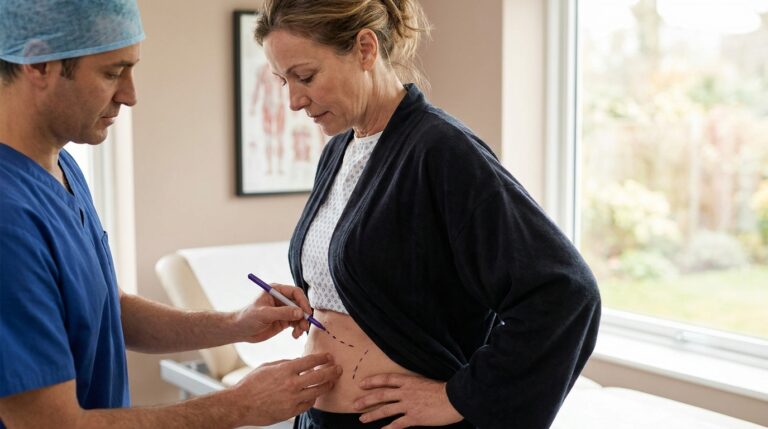
The first few days are usually the most demanding. You will probably feel tight through the abdomen, especially if the rectus muscles were repaired. Standing fully upright can feel difficult at first, so many people walk slightly bent forward for several days to reduce tension on the incision.
Pain is often described less as sharp pain and more as pulling, pressure, soreness and weakness when changing position. Getting out of bed, sitting down and standing up are the moments people notice most. You may also feel tired, foggy and less hungry than usual.
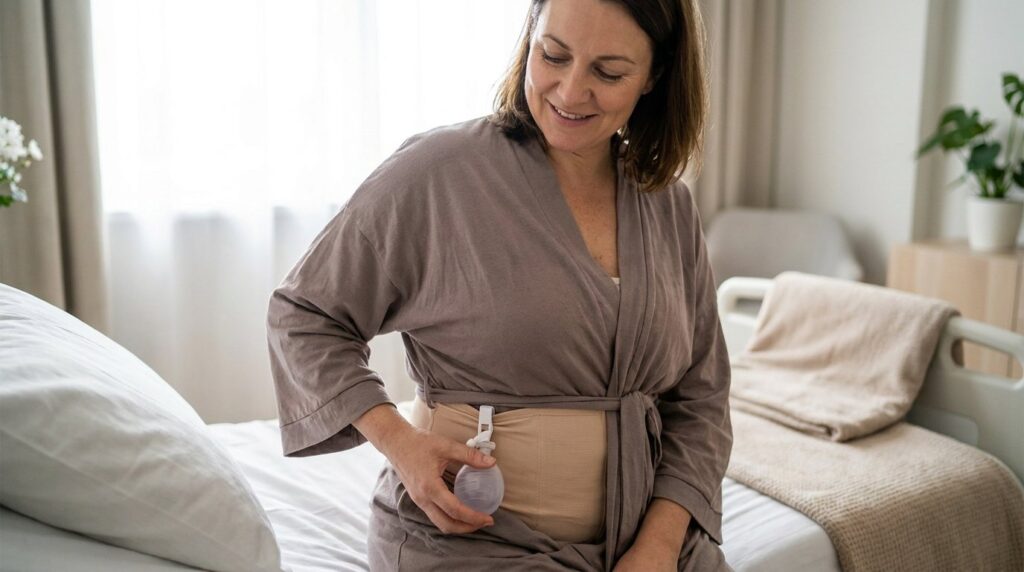
If drains are used, they are usually in place during the early part of recovery and removed when output drops to a level your surgeon considers safe. Dressings, a compression garment and a clear plan for walking, medicines and wound care are all standard parts of the first week.
Showering is surgeon-dependent. Some patients are allowed to shower within a few days if dressings are suitable and drains are protected. Others are told to wait longer, especially if there are concerns about the incision or drain sites. Driving is also surgeon-dependent, but in practical terms it is usually delayed until you are off strong pain medication, able to brake safely, and can move without hesitation.
The Aesthetic Society and ASPS both emphasise early, gentle walking after body contouring surgery to support circulation and reduce some recovery risks. That does not mean exercise. It means short, careful walks around your room or home, several times a day, while avoiding strain.
What often surprises people in week 1
Many patients are prepared for pain but not for how tired and hunched they feel. You may need help with simple things such as getting up from bed, putting on socks, emptying drains, or preparing food. Sleep can also be awkward because lying fully flat may pull on the abdomen.
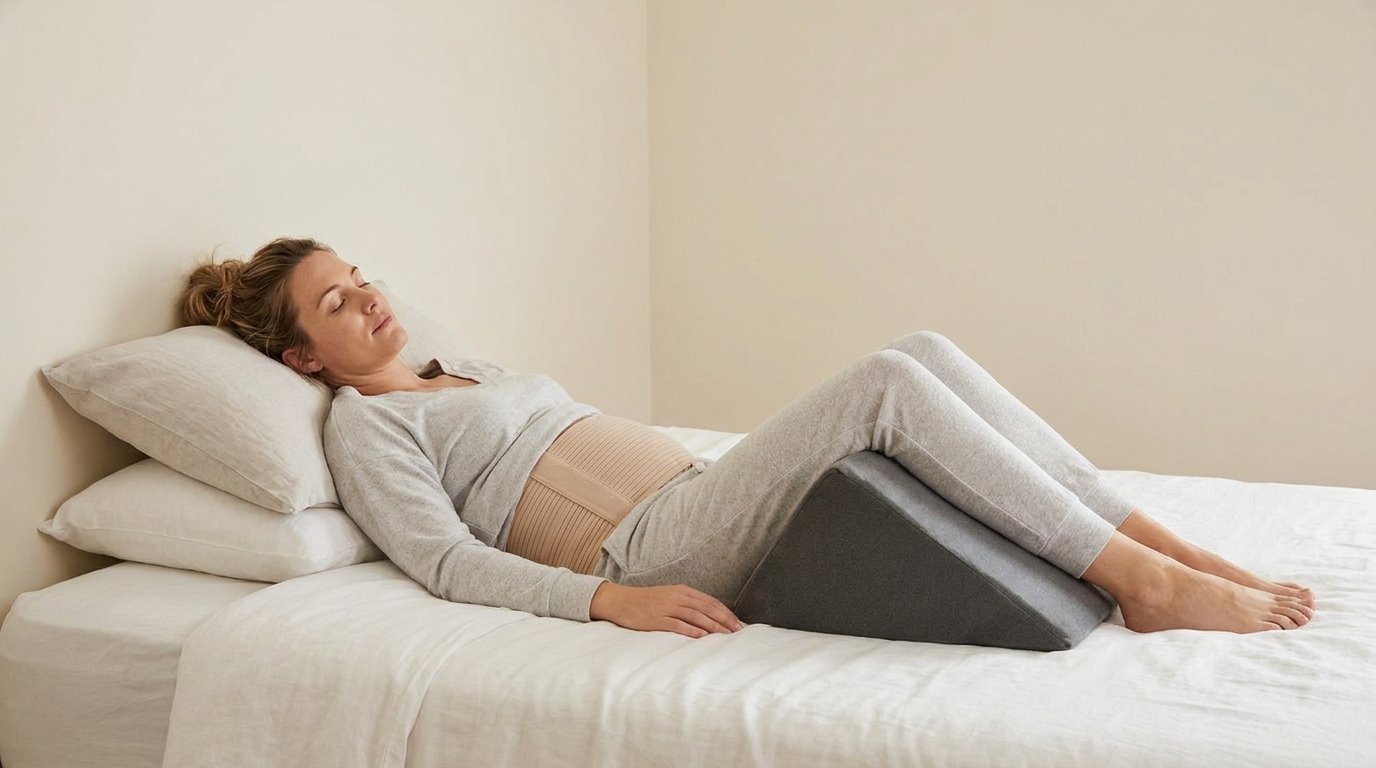
Most surgeons recommend sleeping on your back with your upper body slightly raised and your knees bent, often with pillows under the knees and behind the shoulders. This position usually continues for at least the first couple of weeks, sometimes longer if the abdomen still feels very tight.
⚠️ Call your surgical team urgently if symptoms change suddenly Rapid swelling on one side, chest pain, shortness of breath, calf pain, fever, worsening redness, or foul-smelling drainage need prompt medical advice. These are not normal ‘just healing’ symptoms.
What changes during weeks 2 to 4?
This is the stage when many people say recovery becomes more predictable. You are usually moving more comfortably, although the abdomen still feels firm and swollen. Bruising often starts to settle. The incision may look better one day and more irritated the next, which can be unnerving but is often part of normal healing.
If drains were placed, they are often removed during this period if they have not already come out. Once drains are gone, many patients feel a clear step forward in comfort and confidence. Even so, swelling can still increase later in the day, especially after walking more, sitting upright for long periods or travelling to follow-up visits.
Work return is surgeon-dependent, but a common real-world range is around 2 to 3 weeks for desk-based work after an uncomplicated recovery, and longer for jobs that involve lifting, standing for long periods or physical effort. If your abdominoplasty included muscle repair or combined procedures, your timeline may be slower.
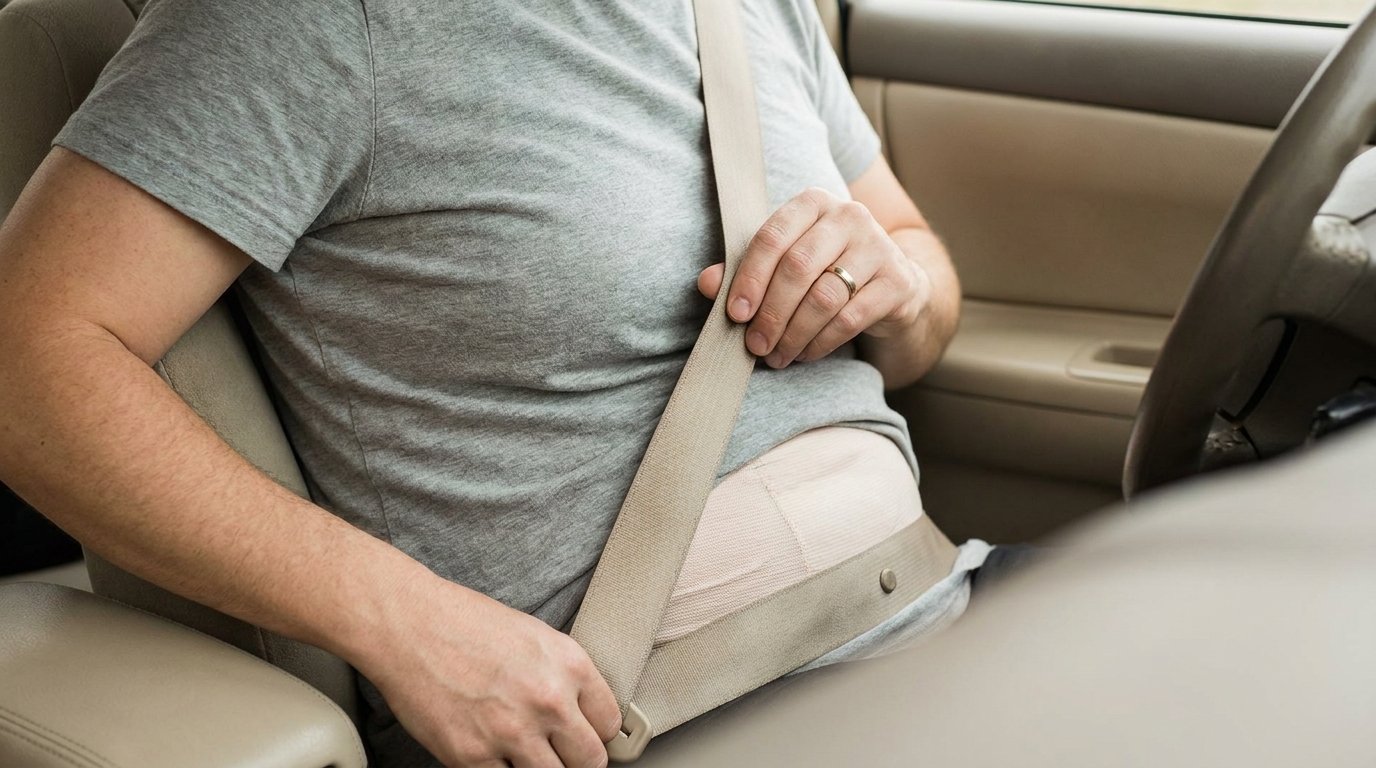
Driving may become realistic sometime in this window, again surgeon-dependent. The usual practical checks are that you are no longer taking sedating pain medication, can twist enough to check surroundings, can wear a seatbelt comfortably, and could brake sharply without pain stopping you.
Flying is one of the most common questions for medical travellers. Short flights may be allowed earlier than long-haul travel, but timing depends on your surgeon’s view of your healing, mobility and clot risk. Many patients planning surgery abroad stay long enough for at least the early follow-up period and to reduce the stress of travelling too soon after surgery.
The NHS guidance on cosmetic procedures highlights that you need time to recover before returning to usual routines, and that travelling for surgery adds practical risks if aftercare is hard to access. That is especially relevant with abdominoplasty, because mobility is limited in the first days and complications can sometimes appear after you have started to feel better.
What should you expect from weeks 4 to 8 and beyond?
By the one-month mark, many people feel significantly better than they did in the first two weeks. Walking is easier, posture is more upright, and the day no longer revolves around getting in and out of bed. That said, you are not necessarily ‘finished’ healing.
Swelling often lingers for weeks and sometimes months. It may be mild in the morning and more obvious by evening. Numb areas of skin, firmness under the incision, itching and a pulling feeling with stretching are all common during this stage.
Exercise usually restarts gradually rather than all at once. Gentle walking tends to come first, then lower-impact activity, and only later more intense exercise or abdominal work if your surgeon says the repair is strong enough. If the abdominal muscles were tightened, returning too quickly to core-heavy exercise can put unnecessary strain on the repair.
Scar healing also changes over time. The incision may look pink, raised or slightly uneven before it softens and fades. According to ASPS, scars from tummy tuck surgery are permanent, though they typically improve in appearance as healing progresses. It is sensible to think in months, not weeks, when judging the final look.
For patients who travelled for surgery, this is the phase when remote follow-up matters. Before treatment, ask how your surgeon handles wound questions, swelling concerns and scar advice once you are home. If you are still researching treatment options, the clinic’s overview of abdominoplasty surgery can help you understand the operation itself, but recovery planning is just as important as the procedure details.
Which symptoms are normal, and which are warning signs?
Normal recovery symptoms usually include swelling, bruising, tiredness, tightness across the lower abdomen, discomfort when standing fully upright, temporary numbness and a feeling of hardness around the healing tissues. Small changes from day to day are also common. One afternoon of extra swelling after doing too much does not automatically mean something is wrong.
What matters more is the pattern. Recovery should feel uneven but broadly progressive. If pain, swelling or redness are steadily getting worse instead of gradually easing, that deserves attention.
The symptoms that need faster review include increasing asymmetry, sudden swelling, wound separation, pus-like drainage, a bad smell, fever, calf pain, chest pain or shortness of breath. Mayo Clinic and NHS guidance on post-surgical recovery both support urgent assessment for symptoms that could suggest infection, bleeding or a blood clot.
Patients sometimes worry about fluid collection, also called a seroma. This can happen after tummy tuck surgery and may feel like sloshing, pressure or a swollen pocket under the skin. A seroma is not always dangerous, but it should be assessed rather than ignored because it can affect comfort and healing.
Mild to moderate swelling, improving bruising, tiredness, tightness, numbness and a slightly bent posture early on are common parts of recovery.
Rapid swelling, severe worsening pain, fever, spreading redness, foul drainage, calf pain, chest pain or breathing trouble should not wait for a routine check.
How long should you stay in Turkey, and what should aftercare include?
For international patients, abdominoplasty is not a procedure to rush around. You need enough time for early checks, dressing changes if needed, and a plan in case recovery is slower than expected. Many patients prefer to remain in Turkey through the immediate post-operative period rather than trying to travel as soon as they can walk.
A safe treatment plan should include pre-operative assessment, clear written instructions, access to your surgeon’s team after surgery, and a realistic discussion about when you can fly home. The exact stay length is individual and depends on the extent of surgery, whether drains are used, and how smoothly the first days go.
When comparing providers, look for a surgeon whose training and registration are easy to verify, and ask about hospital accreditation, not just hotel arrangements. EBOPRAS is one recognised European board in plastic surgery, and organisations such as ASPS and BAAPS consistently stress the value of proper credentials, informed consent and aftercare. A good consultation should cover risks, scar placement, compression, mobility, clot prevention and what support you will need at home.
Cost is best approached as a package question, not just a surgery fee question. A quote may include the surgeon, anaesthesia, hospital stay, garments, follow-up visits, transfers or accommodation support, but inclusions vary. The final price is personalised after consultation and depends on the complexity of the operation, whether liposuction is added, the facility used, the surgeon’s experience and how much aftercare is built into the plan.
If you are still at the information-gathering stage, the clinic’s plastic surgery consultation page explains how an assessment is arranged. Keep the focus on fit and safety rather than speed alone.
- ✓Ask who will see you after surgery and how often before you fly home.
- ✓Ask whether drains are likely and who removes them.
- ✓Ask what happens if you develop a seroma, wound problem or infection after returning home.
- ✓Ask for written guidance on showering, compression garments, walking, driving, work and flying.
Frequently Asked Questions
References
- 📎American Society of Plastic Surgeons: Cosmetic Procedures
- 📎NHS: Cosmetic procedures
- 📎EBOPRAS
- 📎PubMed search: abdominoplasty recovery seroma thrombosis review
Related Articles


You Might Also Like



Related articles
Our specialists
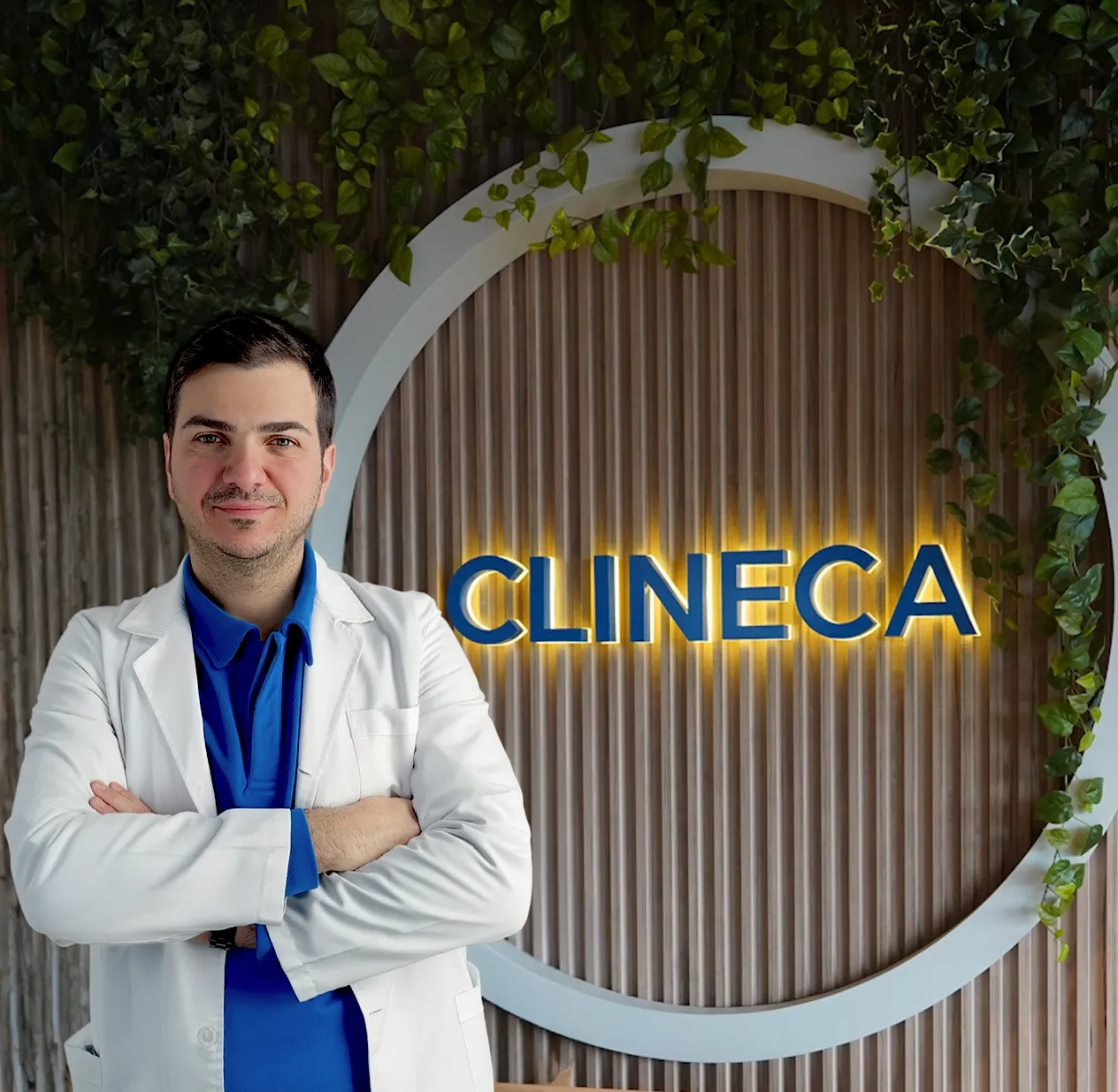
 Clineca SpecialistErkan PinegözPlastic & Reconstructive Surgery
 Clineca SpecialistHakan AktaşPlastic & Reconstructive Surgery
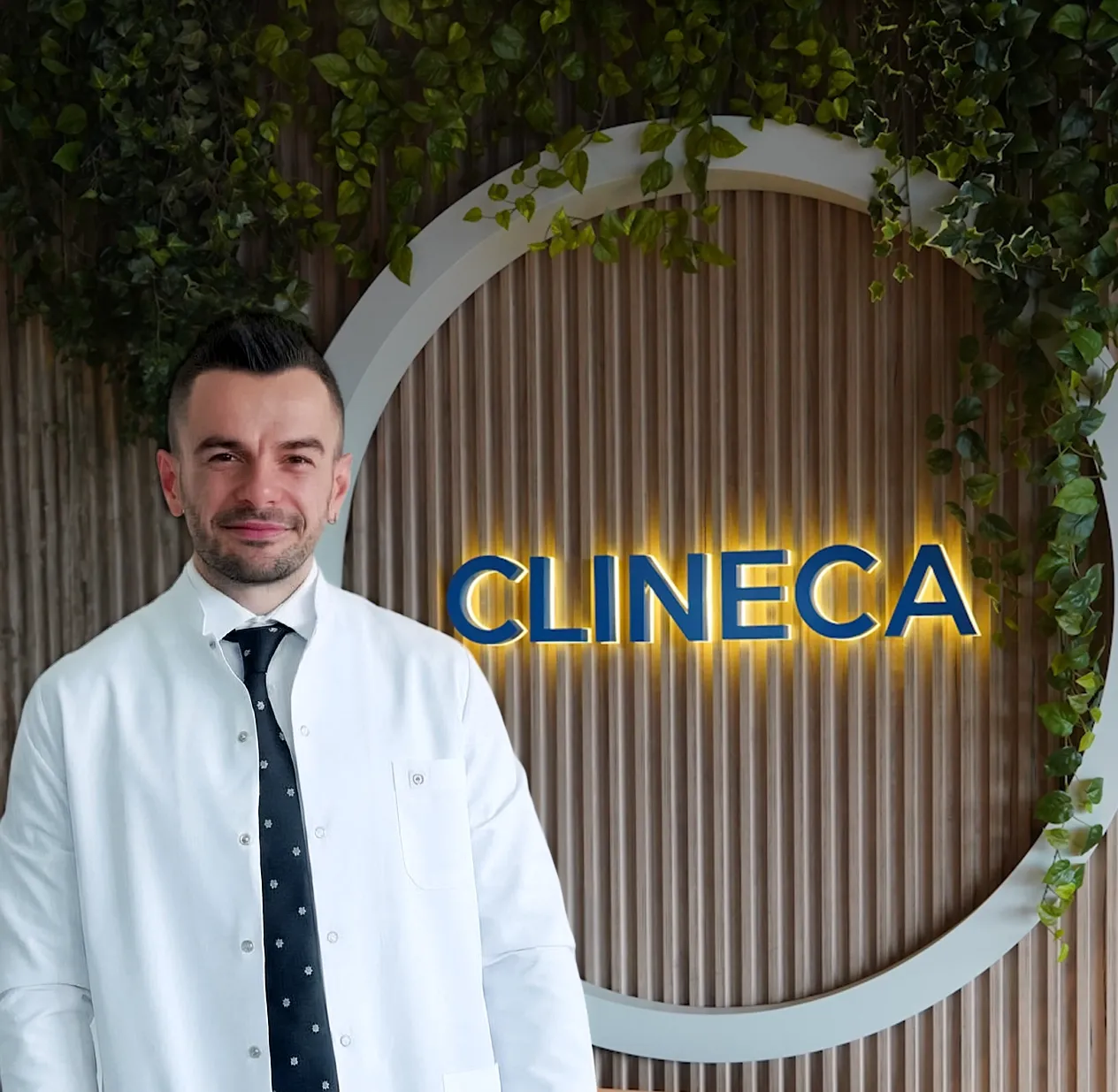 Clineca SpecialistOrkun UzuneyüpoğluPlastic & Reconstructive Surgery
 Clineca SpecialistSalim İskenderPlastic & Reconstructive Surgery
 Clineca SpecialistEngin SelamioğluPlastic & Reconstructive Surgery
 Clineca SpecialistCem AydınPlastic & Reconstructive Surgery
 Clineca SpecialistAlperen ÖnalEar, Nose & Throat (ENT)