

Have a question about Tummy Tuck?
In this article
- When is the right time after pregnancy to think about a tummy tuck?
- What does a sensible month-by-month timeline look like?
- What can delay the timing even if you feel ready?
- Should you wait until you finish breastfeeding?
- Can a tummy tuck be combined with liposuction or breast surgery after pregnancy?
- How do travel, recovery and clinic choice affect the decision?
If you are wondering how long should I wait after having a baby before a tummy tuck, the real answer depends on more than the calendar. Pregnancy changes the skin, muscles, weight and routine of daily life, so good timing is less about rushing to surgery and more about choosing a point when your body has settled enough for a safer operation and a result that is more likely to last.
When is the right time after pregnancy to think about a tummy tuck?
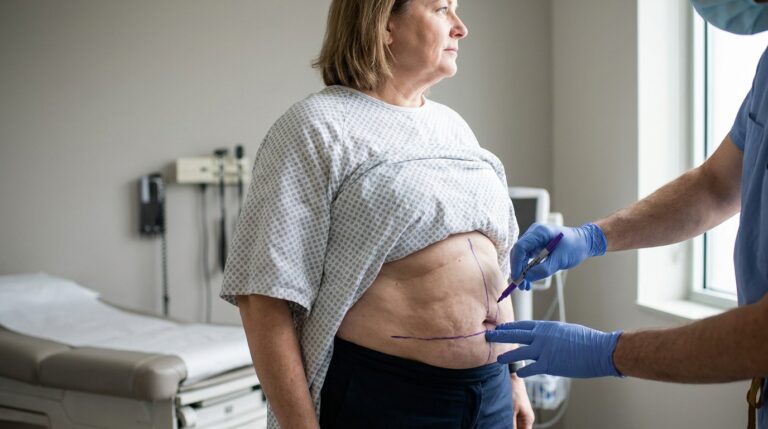
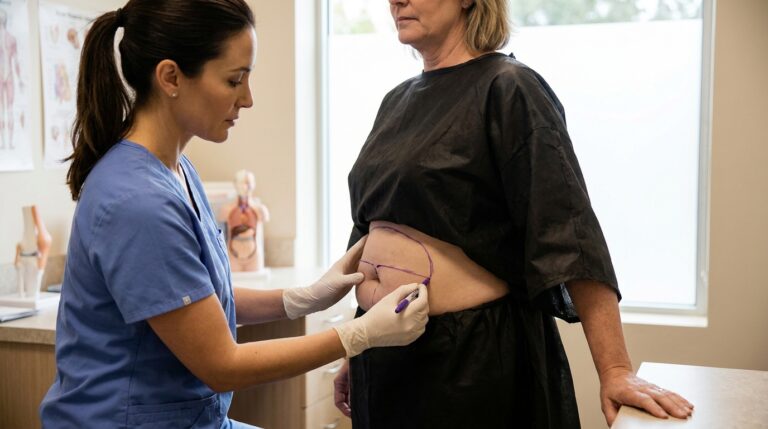
For most women, the right time is usually measured in months rather than weeks. A tummy tuck, also called abdominoplasty, is designed to remove loose lower-abdominal skin and tighten stretched abdominal muscles when needed. After birth, both of those issues can still keep changing for a while, especially as swelling settles, the uterus returns to normal size, hormones shift and body weight moves up or down.
Many surgeons prefer to wait until you have recovered from childbirth, finished the early postpartum period and reached a stable, comfortable weight before planning surgery. Guidance from the NHS and the American Society of Plastic Surgeons describes tummy tuck as major surgery, which matters here because your body needs to be out of that immediate healing phase before taking on another operation.
If you had a straightforward vaginal birth and you are healing well, the conversation about surgery often starts later in the first year after delivery rather than immediately after birth. If you had a caesarean section, you are recovering from abdominal surgery already, so timing needs even more care. That does not automatically mean a very long delay, but it usually means the tissues need more time to soften and settle.
The practical goal is simple: wait until your body is no longer changing quickly. That gives the surgeon a more honest view of how much loose skin is truly left, whether the abdominal muscles have separated, and whether a full or smaller procedure makes sense.
⚠️ A tummy tuck is not a post-birth shortcut It is usually better planned after postpartum recovery has settled, not during the early weeks when your body is still healing from pregnancy and delivery.
What does a sensible month-by-month timeline look like?
A rough timeline can help, but it should never replace an individual surgical assessment.
In the first few months after birth, most women are still in active recovery. The abdomen can look very different from one month to the next. Skin tone may improve, swelling may go down, and some muscle weakness may partially recover on its own. Sleep deprivation, lifting a baby constantly and unpredictable feeding routines also make this a poor time for major elective surgery.
Between the middle months of the first year, the picture becomes clearer. If your weight is settling, breastfeeding is winding down or finished, and you can see that the loose skin and abdominal bulge are not improving further, this is often when a proper consultation becomes useful. The surgeon can assess whether the issue is mostly skin, muscle separation, residual fat, or a mix of all three.
By later in the first year and beyond, many women are in a much more realistic window for surgery if they are otherwise fit and have support at home. That does not mean everyone must wait exactly the same amount of time. It means the usual signs of readiness are more likely to be present.
A practical timeline
The safest way to use the calendar is as a screening tool, not as permission on its own.
What can delay the timing even if you feel ready?
Breastfeeding, weight changes and future pregnancy plans are the big three. If you are still breastfeeding, some surgeons prefer to wait until feeding has finished and hormone levels have had time to settle. That is partly about comfort and recovery, and partly because the body is still in a changing state. If you are looking at breast surgery as well, timing matters there too, and our article on breast surgery after breastfeeding timing explains that side in more detail.
Weight stability matters because a tummy tuck is not a weight-loss procedure. If you are still steadily losing pregnancy weight, operating too early can leave you with a result that changes again afterwards. Mayo Clinic and ASPS both distinguish body-contouring surgery from weight-loss treatment; that is relevant because surgery works best when the contour problem is clear and reasonably stable.
Future pregnancy matters just as much. A later pregnancy can stretch the skin and abdominal muscles again. It does not make another pregnancy dangerous in itself, but it may undo part of the result and could leave you needing revision surgery later. If you know you want another child soon, most surgeons would advise waiting.
There is also the less obvious issue of daily lifting. After a tummy tuck, you will need to limit strain and protect the repair. Caring for a newborn or very young baby often means repeated lifting, twisting and broken sleep. Even if the abdomen looks ready, your home routine may not be.

Feeling emotionally ready is not the same as being physically or practically ready. Ongoing breastfeeding, active weight loss or no help at home can turn a reasonable surgery into a difficult recovery.
Weight has levelled out, childbirth recovery is complete, childcare help is arranged, and you are not planning another pregnancy soon.
Should you wait until you finish breastfeeding?
In many cases, yes. Breastfeeding itself does not involve the abdomen directly, but it is part of a wider hormonal and metabolic phase. Appetite, fluid balance, breast size and day-to-day energy can all keep shifting while you are feeding. Waiting until breastfeeding has ended and your body has had time to settle usually makes surgical planning more predictable.
There is also a practical reason. After a tummy tuck, you will be sore, moving carefully and taking recovery seriously for the first weeks. That can be hard to combine with frequent feeds, lifting and broken nights. If your baby still relies on you physically around the clock, delaying surgery often makes the whole experience safer and less stressful.
This is one place where combination plans matter too. Most of the tummy tuck patients we see go ahead with at least one additional procedure, most often a breast lift, breast augmentation with lift, or liposuction. For you, that means it is worth deciding early whether your post-pregnancy concern is only the abdomen or part of a wider body-change picture, because the timing should be built around the whole plan rather than a tummy tuck alone.
- ✓You have finished breastfeeding or are close enough to plan the end clearly
- ✓Your weight is no longer moving significantly month to month
- ✓You can avoid heavy lifting during early recovery
- ✓You have reliable help with the baby at home and during travel
Can a tummy tuck be combined with liposuction or breast surgery after pregnancy?
It can, if you are a good candidate and the surgical team feels it is appropriate. After pregnancy, the common combination is a tummy tuck with liposuction to improve waist shape, or with breast surgery when the main concern is the overall post-baby silhouette rather than the abdomen alone.
The trade-off is recovery. Combined surgery can be efficient because it avoids separate anaesthetics and separate travel, but the healing period is usually more demanding than a tummy tuck on its own. Swelling may last longer, mobility can be slower at first, and you need to plan your childcare and time away more carefully.
If you are comparing options, it helps to understand what a tummy tuck can and cannot fix. Liposuction removes fat but does not tighten loose skin or repair stretched muscles. A tummy tuck can address skin and muscle laxity, and liposuction may be added when extra shaping is needed. If you are unsure about the difference, our articles on mini vs full tummy tuck and extended vs standard tummy tuck can help you picture which operation matches your body better.
How do travel, recovery and clinic choice affect the decision?
If you are travelling for surgery, timing after pregnancy is not only about the operation. It is also about whether you can manage the trip safely and recover away from home for long enough. A tummy tuck is not a weekend procedure. You need time for pre-op assessment, surgery, early checks, walking bent at first, drain care if used, and at least one follow-up before flying home, depending on the surgeon’s protocol.
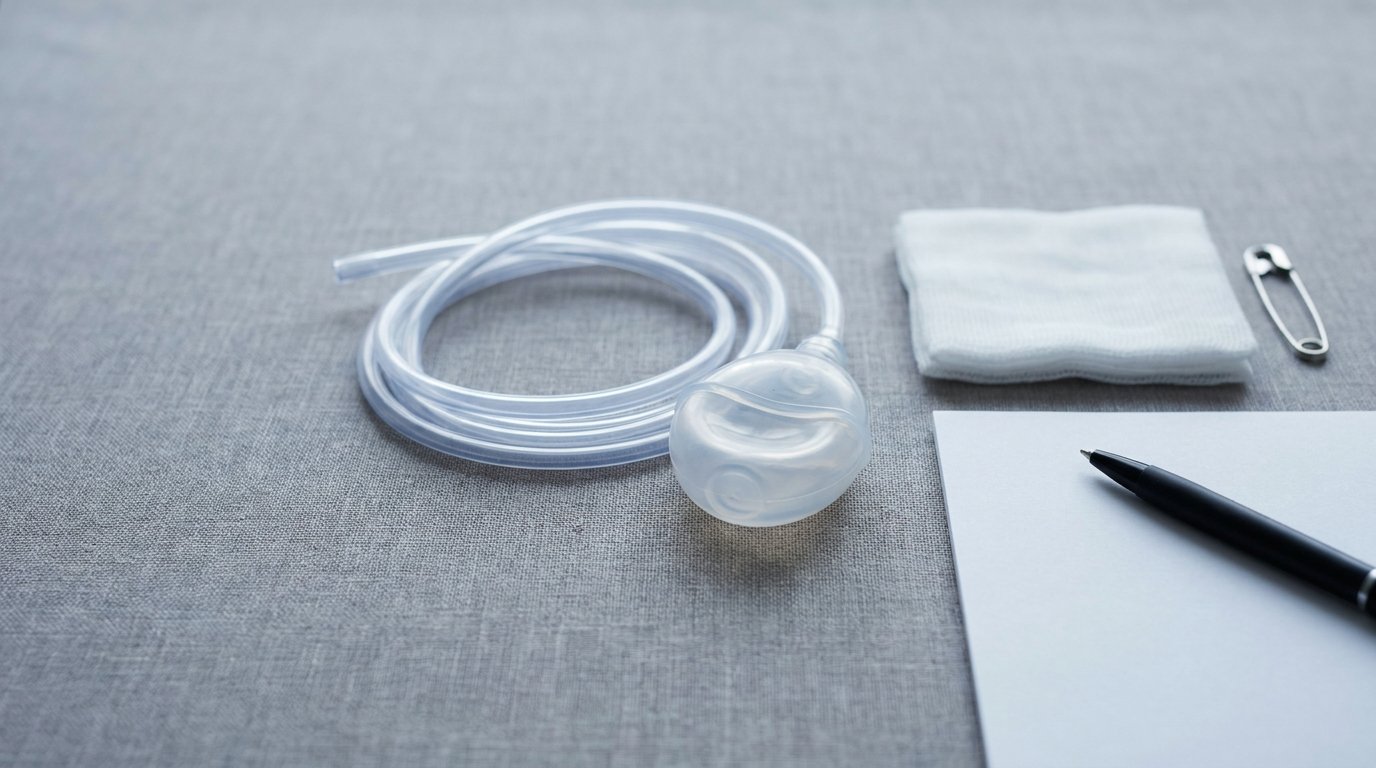
For many international patients, the more realistic question is not only when after birth can I have a tummy tuck, but when can I do it without making the first two weeks chaotic. If you are still lifting a baby often, not sleeping, or unable to stay locally for follow-up, waiting is usually the better decision. Our article on abdominoplasty recovery week by week gives a fuller picture of what those first stages feel like.
When choosing a clinic or surgeon, look for recognised surgical training, hospital operating facilities, clear pre-operative screening and straightforward answers about risks. BAAPS, EBOPRAS and the NHS all emphasise that cosmetic surgery should be performed by properly trained surgeons in appropriate settings, with time to discuss complications as well as benefits. If a provider pushes you toward a date before your weight, feeding status or childcare situation are stable, that is not a good sign.
Cost matters, but the quote should be read carefully rather than quickly. Ask what is included in the treatment plan, hospital stay, garments, medications, transfers, hotel support and follow-up, especially if you are combining procedures. A personalised quote is usually confirmed after consultation and examination. For a broader look at how tummy tuck travel planning and quote structure work, see tummy tuck in Turkey: cost, safety and recovery.
🚨 Do not plan around a cheap date alone The right surgical date is the one that fits your recovery, stable weight, feeding status and childcare support. A lower quote does not fix poor timing.
Frequently Asked Questions
References
- 📎NHS: Cosmetic procedures
- 📎ASPS: Cosmetic procedures
- 📎BAAPS
- 📎PubMed: abdominoplasty postpartum timing pregnancy weight stability
Related Articles

You Might Also Like



Related articles

Our specialists
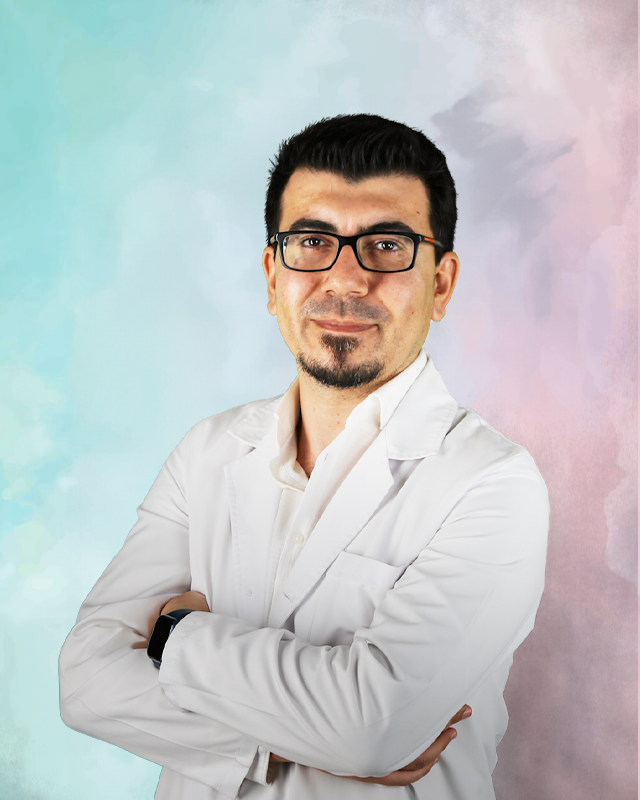 Clineca SpecialistErkan PinegözPlastic & Reconstructive Surgery
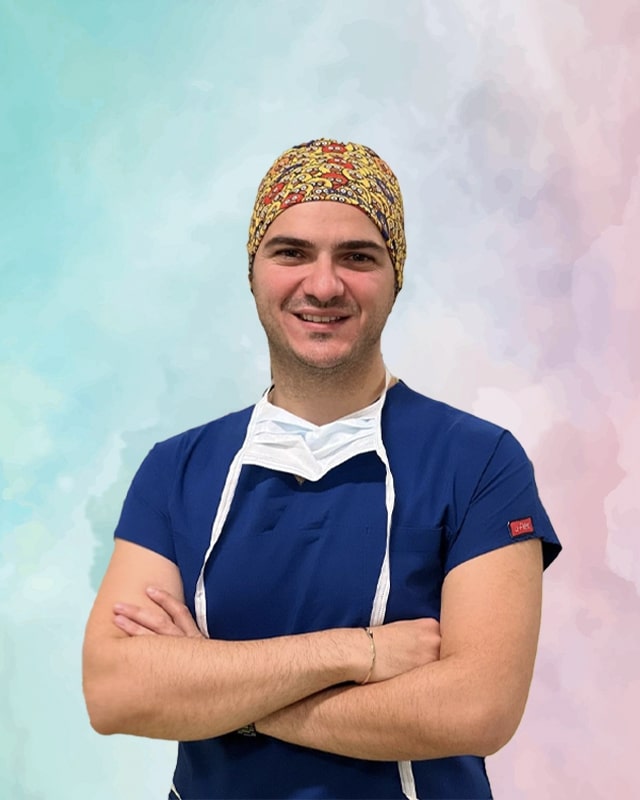 Clineca SpecialistHakan AktaşPlastic & Reconstructive Surgery
 Clineca SpecialistOrkun UzuneyüpoğluPlastic & Reconstructive Surgery
 Clineca SpecialistSalim İskenderPlastic & Reconstructive Surgery
 Clineca SpecialistEngin SelamioğluPlastic & Reconstructive Surgery
 Clineca SpecialistCem AydınPlastic & Reconstructive Surgery
 Clineca SpecialistAlperen ÖnalEar, Nose & Throat (ENT)