
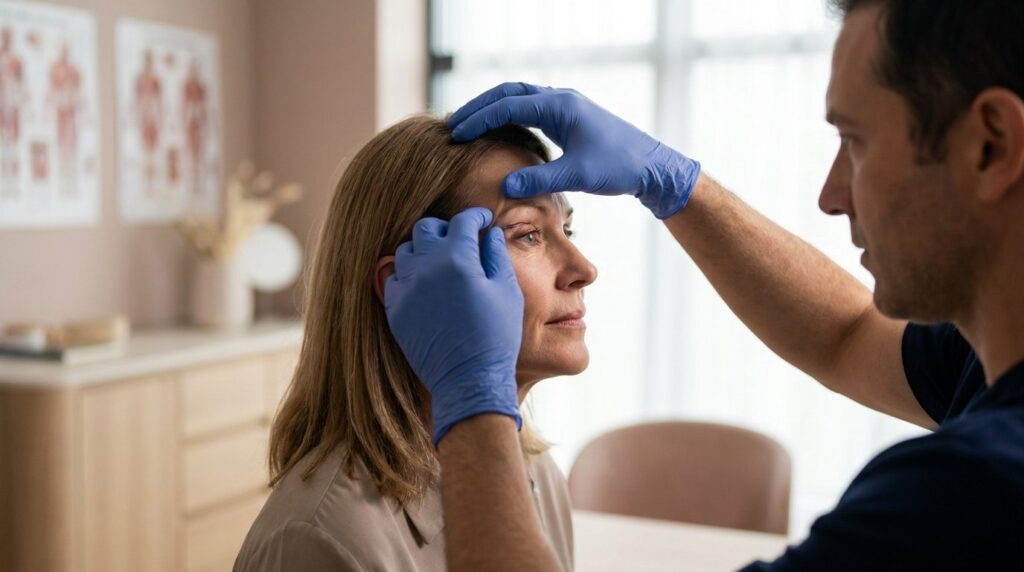
Have a question about Blepharoplasty?
In this article
- What does blepharoplasty in Turkey involve?
- How is cost usually quoted for eyelid surgery in Turkey?
- Is blepharoplasty in Turkey safe?
- What is recovery like after eyelid surgery?
- How long should you stay in Turkey for blepharoplasty?
- How do you choose a clinic and surgeon without relying on marketing?
- Who is a good candidate, and when should you wait?
If you are researching eyelid surgery blepharoplasty in Turkey cost safety and recovery, the real questions are usually practical ones: what you are actually paying for, how to judge a clinic from abroad, and what recovery looks like day by day. Turkey attracts many international patients for facial surgery, but eyelid surgery is delicate, visible, and not a procedure to choose on marketing alone.
What does blepharoplasty in Turkey involve?
Blepharoplasty is eyelid surgery. It can treat the upper lids, the lower lids, or both together. In simple terms, the surgeon removes or repositions excess skin and sometimes fat to make the eye area look less heavy, puffy, or tired. Some patients also have muscles tightened if this is needed for support.
Upper eyelid surgery is usually chosen when loose skin folds over the lash line or makes the eyes look hooded. Lower eyelid surgery is more often about under-eye bags, puffiness, or crepey skin. The right plan depends on whether the problem is skin, fat, muscle support, brow position, or a mix of these. That matters because some people asking for eyelid surgery actually need a brow procedure as well, or instead. If you are comparing options, it helps to understand the difference between eyelid surgery and a brow lift, since the two can overlap in appearance but are not the same operation.
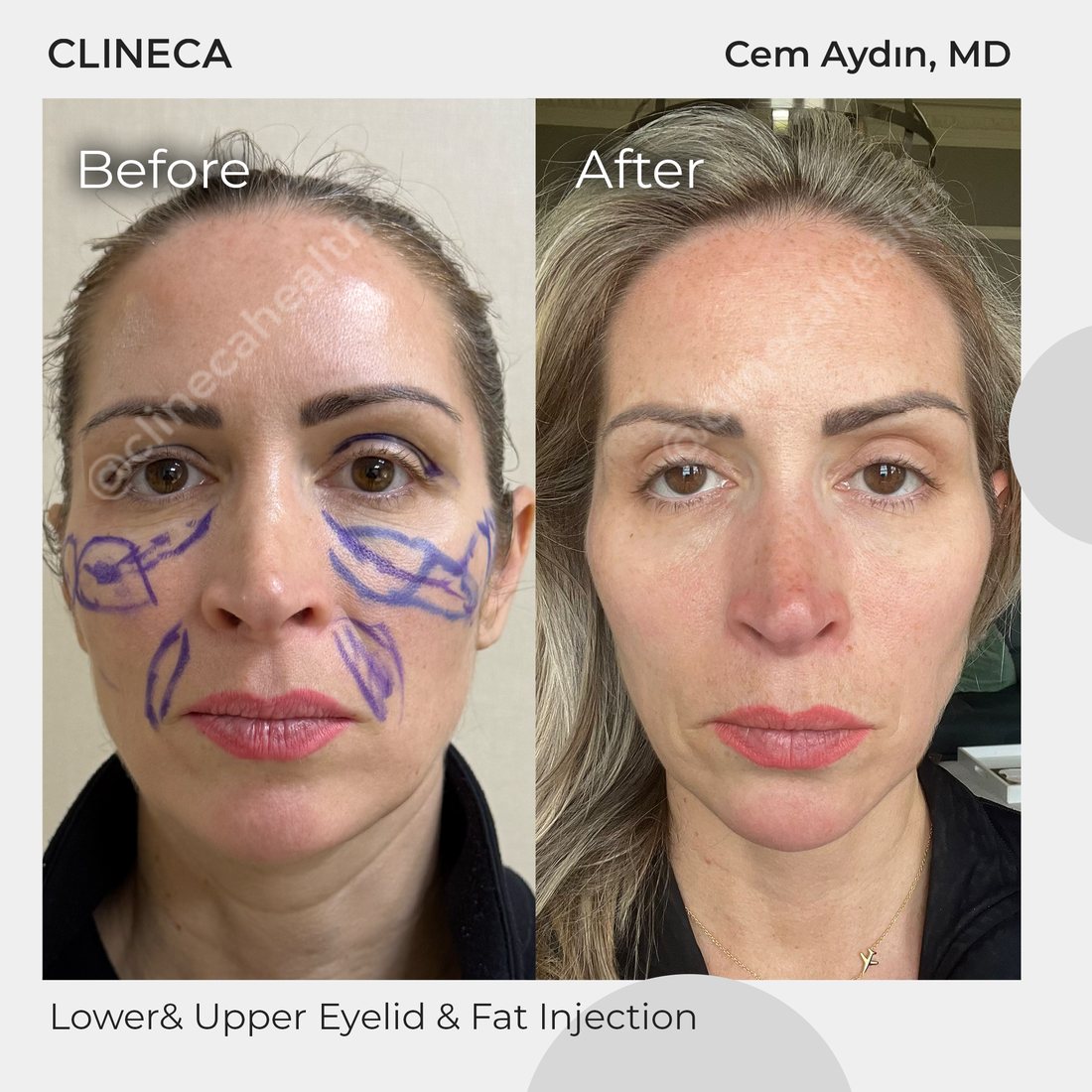
According to the American Society of Plastic Surgeons, eyelid surgery is one of the most commonly performed facial cosmetic procedures. That popularity can make it seem routine, but the eyelids are not a casual area. The skin is thin, healing is very visible, and even a small change in lid position can affect comfort and eye protection. A good consultation should look at dry-eye symptoms, contact lens use, past eye surgery, thyroid eye disease, and how much lid support you have before any plan is confirmed.
A surgeon explains whether your concern is mainly upper lid skin, lower lid fat, brow descent, or skin quality, rather than offering the same operation to everyone.
Mild puffiness, hollowing, or skin texture may be managed with non-surgical options or a combined plan rather than blepharoplasty alone.
How is cost usually quoted for eyelid surgery in Turkey?
Upper eyelid surgery in Turkey starts from around €900 under local anaesthesia. That is a starting point, not a guaranteed quote — your own figure is confirmed after consultation, once the surgeon has assessed whether the upper lids, lower lids or both are treated, whether there is excess fat as well as skin, and whether general anaesthesia is needed. Lower eyelid surgery, and combined upper and lower blepharoplasty, involve more theatre time and are quoted higher.
Cost matters, but with blepharoplasty the useful question is not just the headline figure. It is what the quote covers, what can change the price after assessment, and whether you are comparing like with like. Because pricing policies vary and a proper medical quote should be personalised, clinics usually confirm the final amount after photos, medical history, or an online consultation.
Upper eyelid surgery alone is often less complex than lower eyelid surgery, while combined upper and lower blepharoplasty usually involves more theatre time and a longer operation. A lower lid procedure may cost more when it includes tightening for lid support, fat repositioning rather than simple removal, or skin treatment. Revision surgery is usually more complex again because scar tissue and prior changes make planning harder.
A quote commonly includes the surgeon’s fee, hospital or operating room costs, anaesthesia, standard medications, transfers, and early follow-up. Some medical-travel packages also include hotel accommodation. What is less often included is treatment for an unrelated eye issue discovered during assessment, extra nights if your recovery is slower than expected, or revision surgery later if you want further cosmetic change.
The fairest way to compare clinics is to ask for a written breakdown. That lets you see whether a lower quote is truly lower, or simply leaves out items that another provider includes from the start.

📋 Why clear pricing matters A low headline quote can be misleading if it does not include anaesthesia, aftercare, hotel stay, or treatment needed for safe eyelid support.
Is blepharoplasty in Turkey safe?
It can be safe, but safety depends much more on the surgeon, the setting, and your assessment than on the country alone. Blepharoplasty is often described as a smaller facial operation, yet it sits close to the eye and needs careful judgment. The NHS notes that cosmetic surgery can lead to complications such as bleeding, infection, scarring, and unsatisfactory results, and that choosing a properly qualified practitioner and suitable setting is essential.
For eyelid surgery specifically, the important risks are not only cosmetic. Problems can include dry eye, temporary difficulty closing the eyes fully, asymmetry, visible scarring, lower lid pulling down, irritation, and in rare cases bleeding behind the eye. The Aesthetic Society and peer-reviewed journals such as Aesthetic Surgery Journal and Plastic and Reconstructive Surgery discuss the importance of pre-operative eye assessment and lower lid support, especially in lower blepharoplasty.
A safe clinic pathway starts with screening. You should be asked about blood thinners, smoking or nicotine use, high blood pressure, thyroid problems, previous laser eye surgery, contact lens use, and any history of dry or watery eyes. Good eyelid surgeons also study your photos for brow position, lid laxity, scleral show, and signs that the lower lid may need extra support.
Credentials matter, but so does fit. In Europe, board-level training standards and examinations may involve recognised frameworks such as EBOPRAS for plastic surgery training and assessment. That does not replace asking direct questions about your own surgeon’s experience with eyelid surgery, especially lower lids and revision cases.
If you want to verify who may be involved in your care before travelling, ask to see the surgeon profile, the operating hospital details, and the consultation pathway in writing. A neutral starting point is the clinic’s doctors page and formal consultation page, but you should still ask detailed medical questions rather than relying on marketing alone.
⚠️ A specific eyelid risk Lower eyelid surgery can affect lid position. If the lower lid is already loose, support procedures may be needed to reduce the risk of the lid pulling downward during healing.
- ✓Ask who will perform the operation, not just who did the consultation.
- ✓Ask whether surgery will be in a hospital or accredited operating facility.
- ✓Ask what happens if you develop eye pain, worsening swelling, or bleeding after hours.
- ✓Ask how dry eye is screened before surgery.
What is recovery like after eyelid surgery?
Recovery is usually manageable, but it is more social and visible than many people expect. Swelling and bruising are common early on. Your eyes may feel tight, watery, dry, or slightly blurry at first, often because of ointment, swelling, and temporary irritation rather than a serious problem. Mayo Clinic patient guidance on eyelid surgery and common post-operative advice from facial plastic surgery literature support the need for head elevation, cold compresses, and close early review.

Most patients look most bruised in the first week. Stitches, if non-dissolving, are often removed around the first week, although this depends on the technique. You may feel well enough to walk around the hotel and go out for short periods quite early, but you will not usually look ready for work events, photos, or sightseeing straight away.
The second week is often the turning point. A lot of swelling settles, bruising fades, and people start to look more like themselves, though not finished. Fine swelling can last longer, especially in the morning. Scar lines also continue to mature for months. If lower lids were treated, tightness can take longer to settle than many online timelines suggest.
Eye comfort matters as much as appearance. Artificial tears, avoiding contact lenses for a period, protecting the eyes from wind, and sleeping with your head raised are common parts of aftercare. You should also avoid heavy lifting and strenuous exercise until your surgeon says it is safe.
A warning sign is pain that gets worse rather than better, marked one-sided swelling, bleeding, sudden vision change, or an eye that feels hard and pressured. Those symptoms need urgent assessment.
🚨 Get urgent help for vision symptoms Sudden loss of vision, severe eye pain, rapidly increasing swelling, or heavy bleeding after blepharoplasty is not normal and needs urgent medical assessment.
How long should you stay in Turkey for blepharoplasty?
For most international patients, the stay is measured in days rather than weeks, but it should still be long enough for the first checks and early recovery. Eyelid surgery may be a day-case procedure, yet flying out too soon leaves little margin if swelling, bleeding, or eye irritation needs review.
A common plan is to arrive before surgery for assessment, have the operation, and remain locally for early aftercare and a final check before travel home. If your procedure is limited to the upper lids and your recovery is smooth, the trip may be shorter than it would be for combined upper and lower lids. Lower blepharoplasty, revision surgery, and cases needing lid support often deserve a more cautious travel plan.
This is also where medical tourism logistics become real. You need a calm hotel, easy transfer arrangements, someone to help on the first day if possible, sunglasses for outdoor light sensitivity, and a clear line for after-hours questions. If a clinic pushes a very short itinerary for a more complex lower lid case, that is worth questioning.
Before you book flights, ask what follow-up happens in Turkey, what happens after you return home, and whether you will need your own eye doctor or GP involved if symptoms persist. A reputable provider should explain this without sounding defensive.
Simple upper lid surgery with smooth early recovery and easy access to a pre-flight check.
Lower lid surgery, revision blepharoplasty, significant dry-eye history, or any patient travelling alone and planning to fly home very quickly.
How do you choose a clinic and surgeon without relying on marketing?
Start by treating the consultation as a screening process, not a sales call. A good team should ask for clear front and side photos, a medical history, details about eye symptoms, and what bothers you most. If you receive a fixed plan and instant quote without proper questions, that is not a strong sign.
Look for clear explanations of trade-offs. For example, an honest surgeon may tell you that removing too much upper lid skin can make closure uncomfortable, or that aggressive lower lid fat removal can create a hollow look later. Those are the kinds of details that suggest real operative judgment rather than a one-size-fits-all package.
You should also ask to see standardised before-and-after cases that resemble your anatomy and age group. Focus less on dramatic transformations and more on symmetry, natural lid position, and whether the eyes still look like the same person. In eyelid surgery, a good result often looks subtle.
It is reasonable to ask who provides aftercare, whether there is a named coordinator, and how complications are handled if you are already back home. If you want background on the provider itself, the clinic about page may help with orientation, but your decision should rest on medical assessment, surgeon experience, and the quality of the answers you receive.
- →Ask what problem the surgeon is treating: skin excess, fat bags, brow descent, lid laxity, or a combination.
- →Ask what result is realistic in your case, including what surgery will not fix.
- →Ask how follow-up works after you return home.
- →Ask what revision policy exists if healing is prolonged or asymmetry remains.
Who is a good candidate, and when should you wait?
The best candidates are bothered by specific eyelid changes and have realistic goals. They want a fresher or less heavy eye area, not a completely different face. Good general health helps, but for eyelid surgery the eye surface and lid support matter just as much as age or skin excess.
You may need to delay surgery if you have unstable thyroid eye disease, uncontrolled blood pressure, active eye infection, severe dry-eye symptoms, or if you smoke and cannot stop around the operation. Patients with very little upper lid skin reserve, a naturally prominent eye shape, or marked lower lid laxity need especially careful planning because overcorrection can be difficult to reverse.
This is also why online photo quotes have limits. A surgeon can estimate a plan from photos, but decisions about how much skin to remove, whether lower lid support is needed, or whether brow descent is contributing are safest when assessment is detailed. If you are not sure whether blepharoplasty is the right route, a formal remote or in-person review is the sensible next step rather than chasing the lowest quote.
Frequently Asked Questions
References
- 📎American Society of Plastic Surgeons – Cosmetic Procedures
- 📎NHS – Cosmetic procedures
- 📎Mayo Clinic – Tests and procedures
- 📎PubMed search: blepharoplasty complications lower eyelid support dry eye
You Might Also Like


Related articles


Our specialists
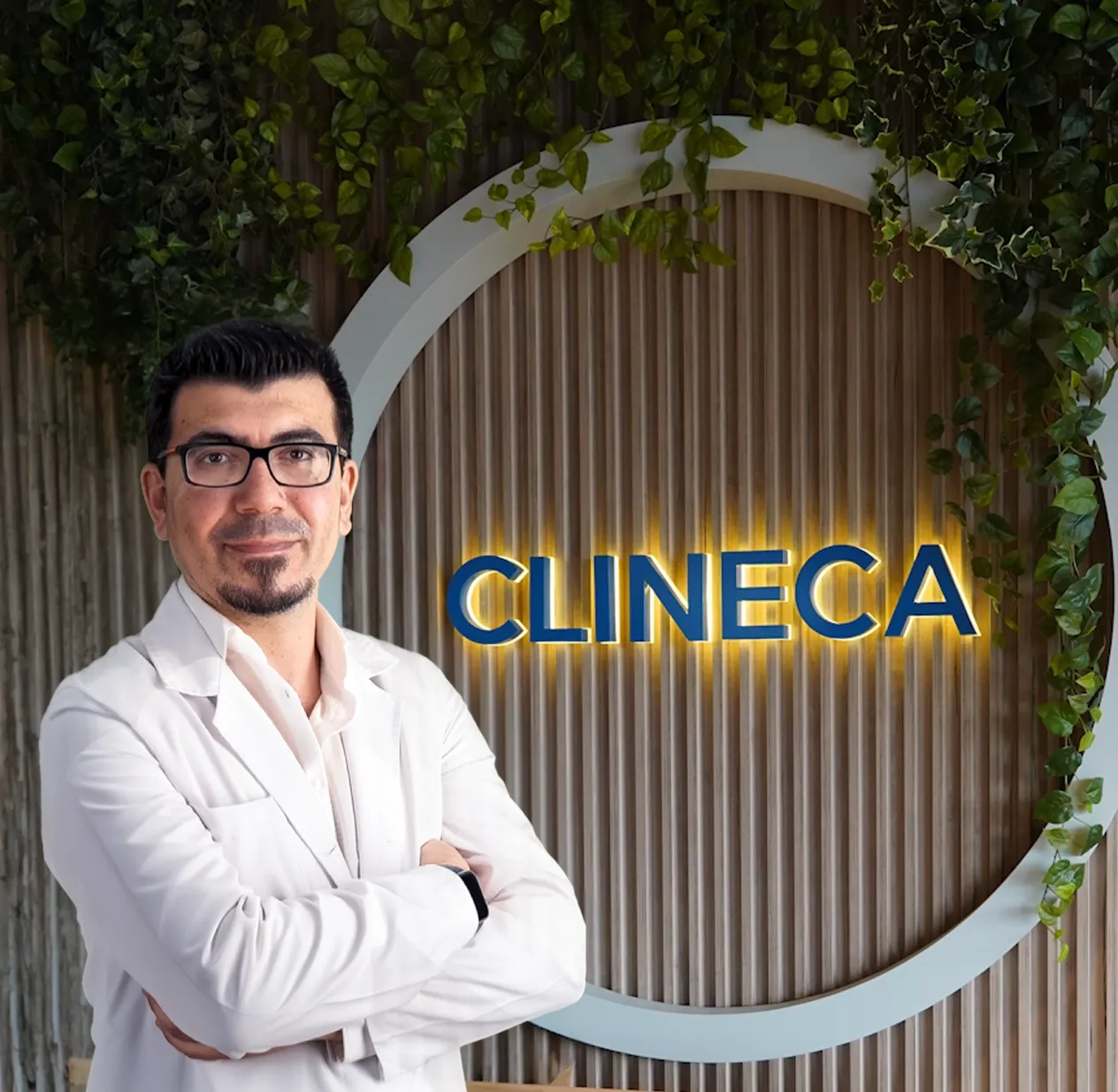 Clineca SpecialistErkan PinegözPlastic & Reconstructive Surgery
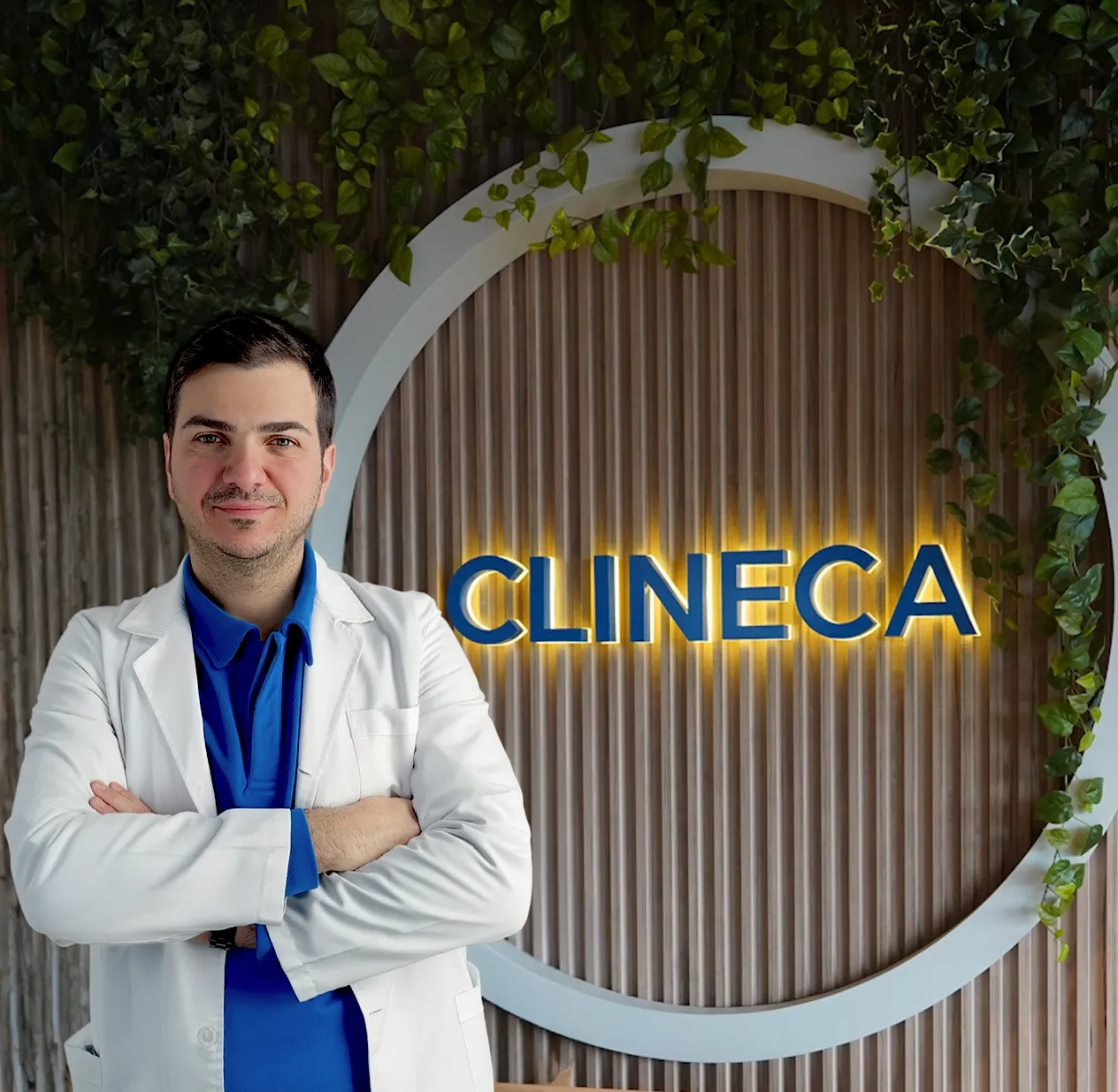 Clineca SpecialistHakan AktaşPlastic & Reconstructive Surgery
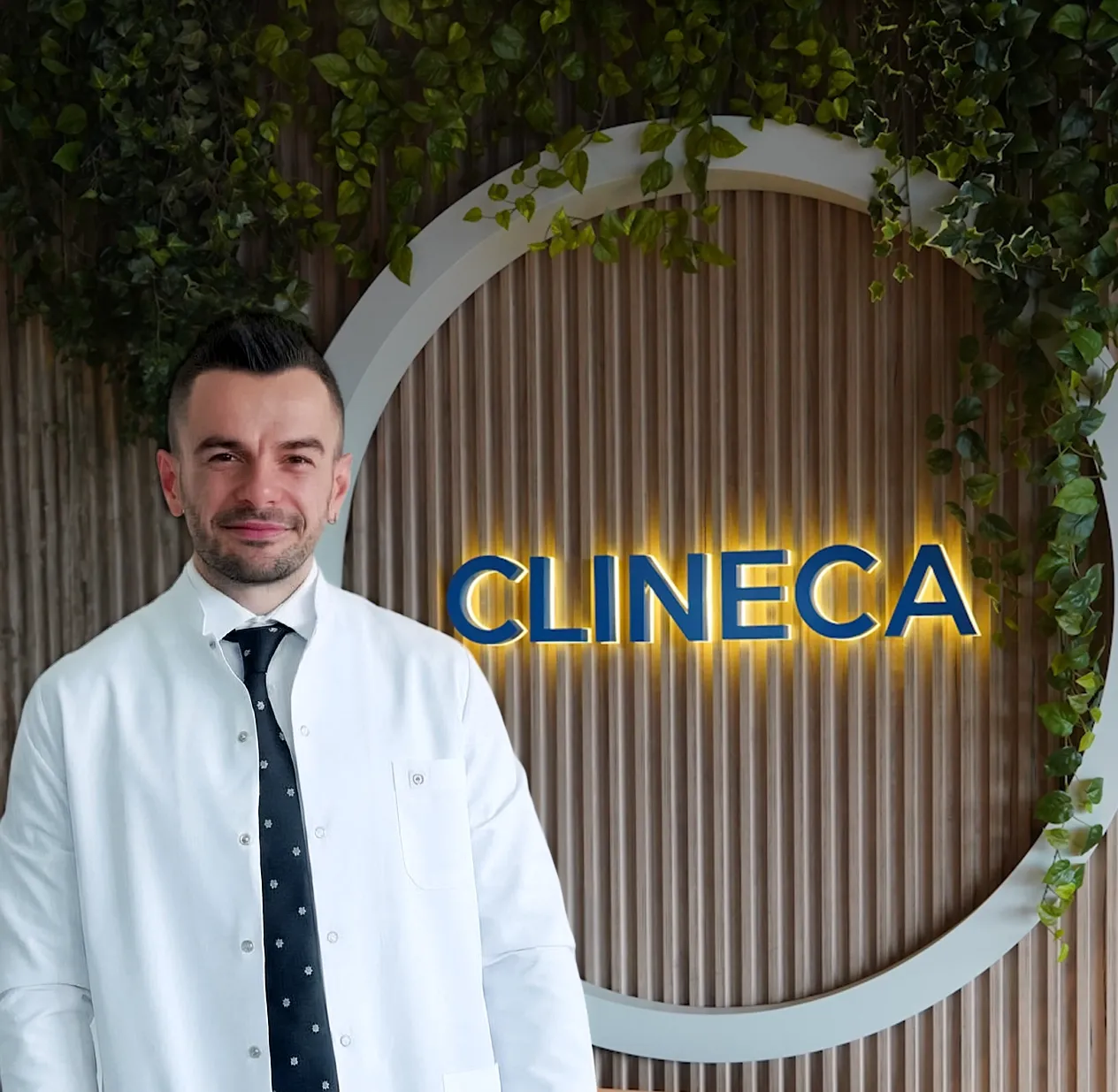 Clineca SpecialistOrkun UzuneyüpoğluPlastic & Reconstructive Surgery
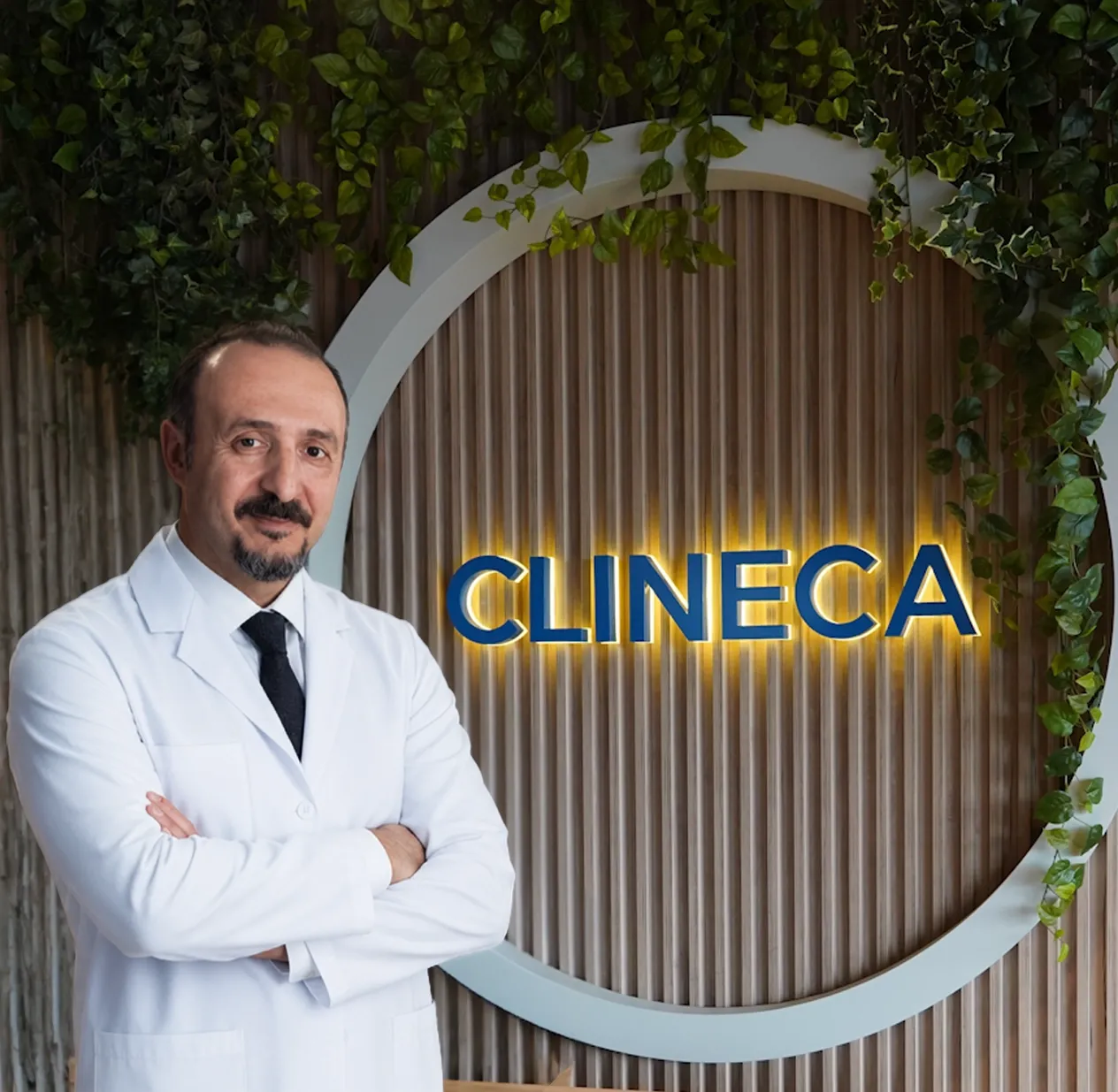 Clineca SpecialistSalim İskenderPlastic & Reconstructive Surgery
 Clineca SpecialistEngin SelamioğluPlastic & Reconstructive Surgery
 Clineca SpecialistCem AydınPlastic & Reconstructive Surgery
 Clineca SpecialistAlperen ÖnalEar, Nose & Throat (ENT)