
Have a question about Vaser BBL?
In this article
- The short answer: how is a Vaser BBL different from a traditional BBL?
- What changes in the result you can realistically expect?
- Is one safer than the other?
- How do recovery and travel planning differ?
- Which patients tend to suit each option better?
- What affects the quote, and what should be included if you travel to Turkey?
- How should you choose a surgeon or clinic for this comparison?
In body contouring, two procedures can sound almost identical while leading to quite different planning decisions. If you have been asking what is the difference between Vaser BBL and traditional BBL, the key is not just how fat is moved, but how the body is shaped before that fat is injected.
The short answer: how is a Vaser BBL different from a traditional BBL?
A Vaser BBL combines ultrasound-assisted liposuction with fat transfer to the buttocks, while a traditional BBL usually uses standard liposuction to harvest that fat. In practical terms, the biggest difference is often the liposuction stage, not the buttock injection stage: Vaser is used to break up fat and can help define nearby areas more precisely, whereas traditional liposuction relies on mechanical suction alone.
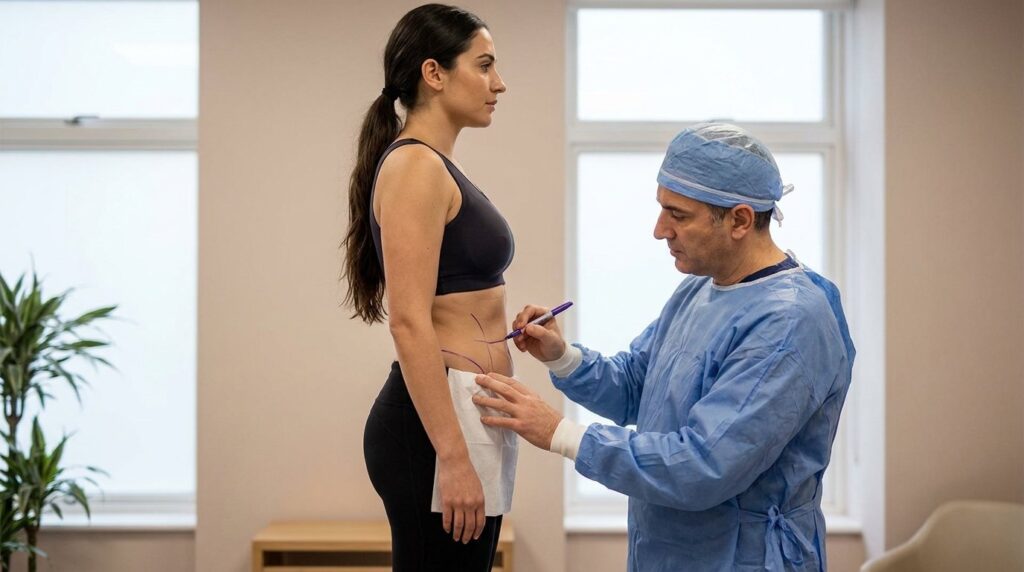
That matters because a BBL is really two procedures at once. First, fat is removed from areas such as the waist, lower back, abdomen or flanks. Then some of that processed fat is placed into the buttocks to improve projection and shape. Patients often focus on the fuller buttock result, but the waist-to-hip contour created by liposuction is what makes many BBL results look more dramatic.
A Vaser BBL is not automatically “better.” If your main goal is sharper sculpting around the waist, upper back or flanks, Vaser may offer an advantage in contouring. If you are a straightforward candidate with good fat reserves and you want softer reshaping rather than high definition, a traditional BBL may achieve the same broad goal without needing the Vaser step.
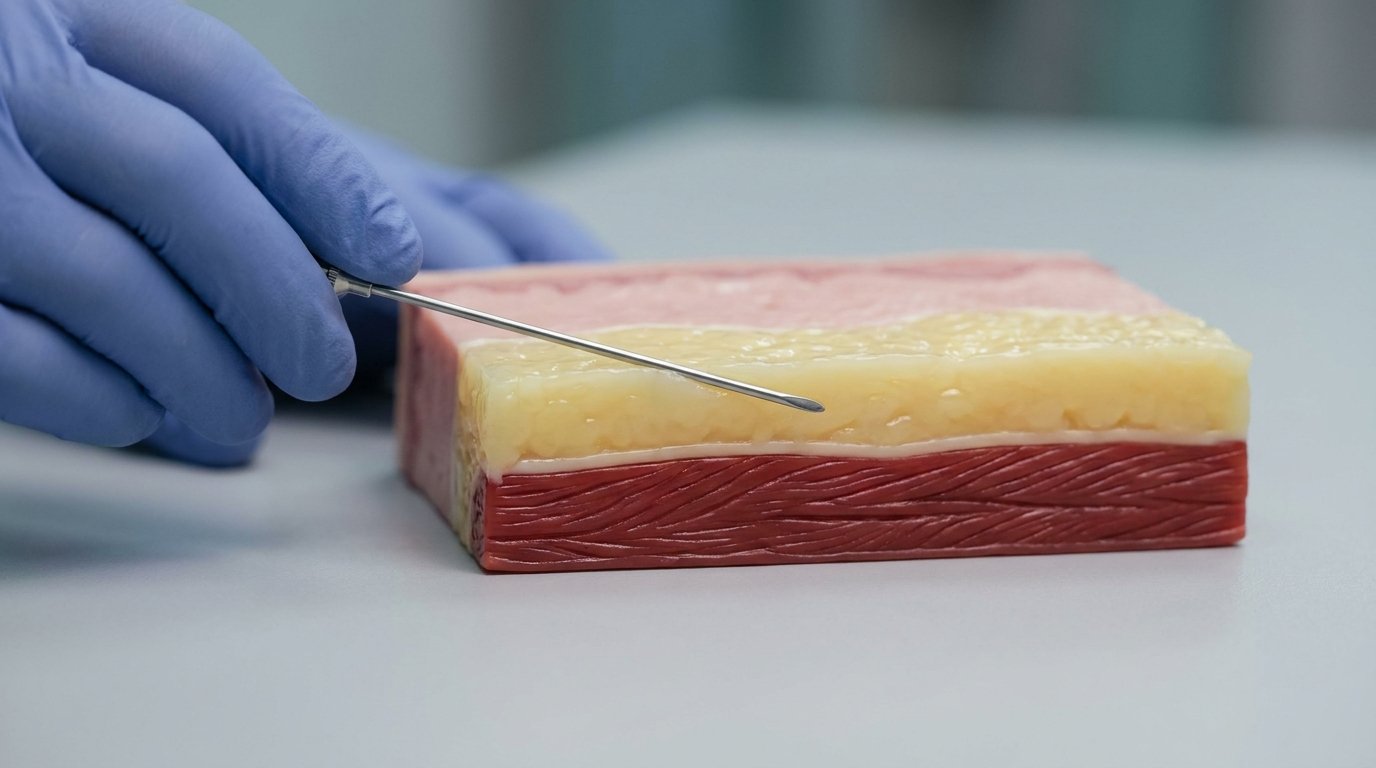
The other important point is safety. According to multi-society safety guidance discussed in journals including Aesthetic Surgery Journal and Plastic and Reconstructive Surgery, the most critical safety issue in BBL is how and where fat is injected. Fat should be placed in the subcutaneous plane — the layer under the skin and above the muscle — rather than into or below the gluteal muscle, because deep injection has been linked to fatal fat embolism. So when patients compare Vaser BBL and traditional BBL, the liposuction technology matters, but the surgeon’s injection technique and adherence to modern BBL safety principles matter more.
⚠️ The main safety question is not the brand of liposuction Ask exactly where the fat will be injected. Current BBL safety guidance focuses on avoiding injection into the gluteal muscle and keeping fat in the subcutaneous layer.
What changes in the result you can realistically expect?
The visual difference usually shows up around the frame of the buttocks, not only the volume. With Vaser-assisted liposuction, surgeons may be able to contour the waist, sacral area, flanks and lower back with a little more precision. That can make the buttocks look more projected even if the actual transferred fat volume is similar.
Traditional BBL can still give a very good result. In many patients, especially those with thicker fatty areas to harvest from, standard liposuction can create a smooth waist and fuller buttock shape without any obvious disadvantage. The idea that Vaser always gives a more dramatic result is too simplistic. Skin quality, natural pelvic shape, existing hip dips, available donor fat and healing all influence the outcome.
Fat retention is another area where marketing can become fuzzy. No honest surgeon can promise that all transferred fat will survive. Some of the grafted fat is reabsorbed during healing. Published literature in journals such as Aesthetic Plastic Surgery and Plastic and Reconstructive Surgery discusses variable fat graft survival, but there is no universal rule that Vaser automatically means better long-term fat retention in every patient. Technique, processing of the fat, avoiding pressure on the area during recovery and individual biology all matter.
If you are slim, the more useful question may not be Vaser or traditional. It may be whether you have enough donor fat for either. If that sounds familiar, this article on whether you are a candidate for a Vaser BBL with little fat is worth reading before you compare methods.
Is one safer than the other?
It is more accurate to say that safety depends on the full surgical plan, not on a simple Vaser-versus-traditional label. Liposuction itself has general surgical risks, including bleeding, fluid shifts, contour irregularity, burns with energy-based devices if used poorly, and anaesthetic risks. A BBL adds the risks of fat grafting, including infection, asymmetry, fat loss and, most seriously, fat embolism if injection is done too deeply.
This is why direct questions matter. Ask whether the surgeon follows current BBL safety recommendations published by professional groups and discussed in Aesthetic Surgery Journal and Plastic and Reconstructive Surgery. Ask whether fat is injected only into the subcutaneous layer, whether ultrasound guidance is used during injection if part of that surgeon’s protocol, and how they limit cannula angle and depth. Those details are far more meaningful than being told a procedure is simply “safe.”
The British Association of Aesthetic Plastic Surgeons (BAAPS) and the NHS both stress that cosmetic surgery should be approached carefully, with proper consent, surgeon credentials and a clear discussion of risks and alternatives. If you are travelling, that also includes planning for aftercare, not just the operation day.
Your candidacy, complication risk and recovery are individual. Previous liposuction, smoking, recent weight changes, anaemia, clotting history, body mass index, skin quality and how much fat is available can all change what is sensible for you. A real decision needs an in-person examination or, at minimum, a detailed surgeon assessment with appropriate medical screening.
The surgeon explains injection depth, donor areas, limits of fat transfer and why your anatomy does or does not suit a BBL.
The consultation focuses only on dramatic curves, with little discussion of safety technique, recovery restrictions or whether you have enough usable fat.
How do recovery and travel planning differ?
Recovery is often more similar than different, because both procedures involve liposuction plus fat transfer. You should still expect swelling, bruising, fluid leakage from liposuction sites in the early stage, soreness when moving, and strict pressure precautions for the buttocks. What actually stretches recovery is the rest of the plan, not the Vaser label: more than half of our BBL patients add further liposuction areas or a tummy tuck to the same operation. Ask what else is on your surgical plan before you compare the two techniques on downtime.
Where some patients notice a difference is in the lipo recovery feel. After Vaser-assisted contouring, certain areas can feel especially tight, tender or swollen for a while, particularly when more detailed sculpting has been done. That does not automatically mean a harder recovery, but it can mean the waist and back feel very “worked on” during the first couple of weeks.
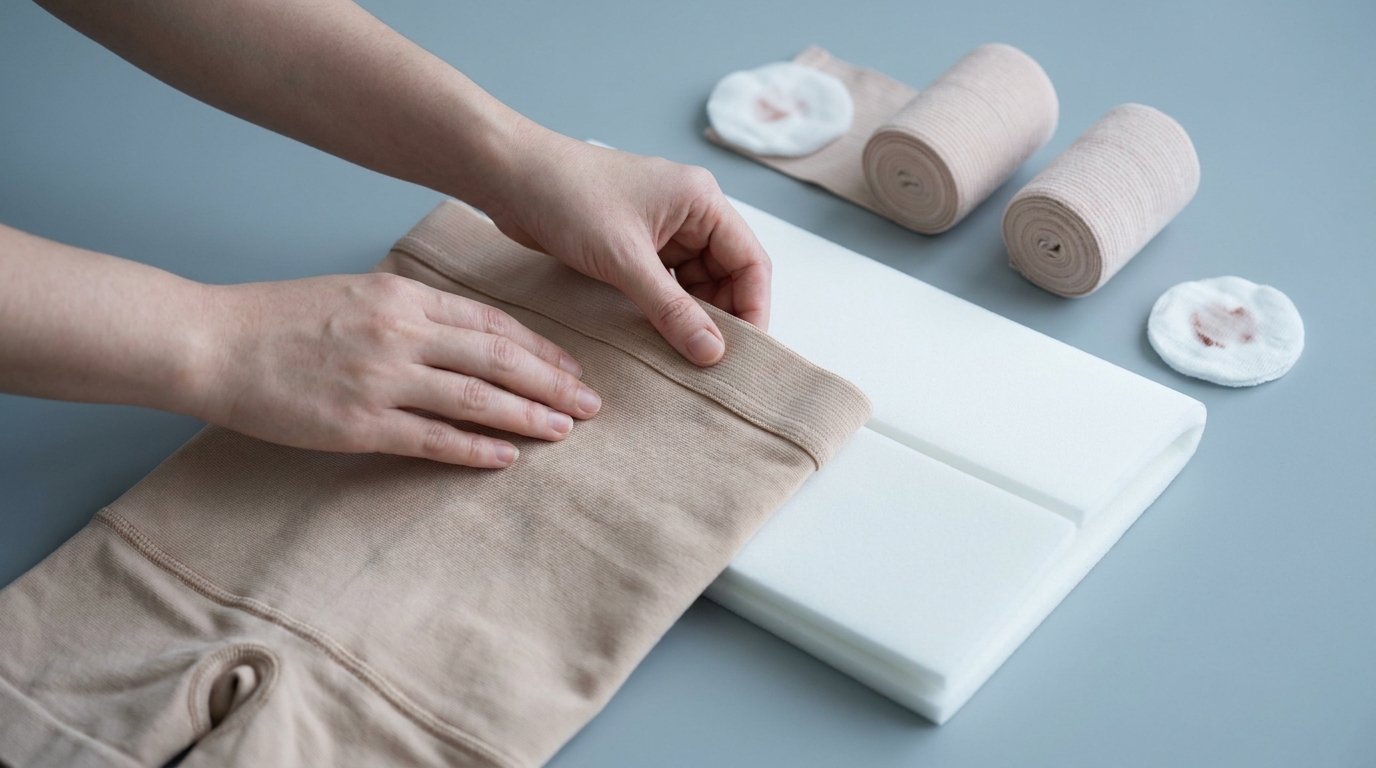
For either method, the usual practical questions are the same: how you will sleep, when you can sit more normally, how long swelling lasts, and how long you should stay in Turkey before flying home. A broader look at BBL recovery week by week and this focused article on how long to avoid sitting after BBL can help you picture daily life more realistically.
If you are coming from abroad, most patients need enough time for pre-op review, surgery, the early checks, drain or garment advice if relevant, and a final fit-to-fly review. Travel plans should be conservative rather than rushed, especially if you are sore, swollen or sitting tolerance is still poor.
Which patients tend to suit each option better?
A Vaser BBL tends to appeal to patients who are not only asking for a bigger buttock shape, but for a more carved waist-to-hip transition. That usually means they have enough donor fat in the right places and skin that can contract reasonably well after liposuction. It also helps if their expectations are about shape refinement, not just cup-size style thinking applied to the buttocks.
A traditional BBL may suit patients whose tissues are softer, whose goals are more moderate, or whose surgeon feels standard liposuction is the better tool for their anatomy. Some bodies do not need aggressive or very detailed contouring to look balanced. In those cases, simple and well-executed can be the better plan.
There are also patients who are not good candidates for either version right now. If you have very little spare fat, unstable weight, poor skin elasticity, uncontrolled medical issues or unrealistic expectations about how much projection fat alone can create, another approach may make more sense. For some people, alternatives such as implants or a different contouring plan become part of the discussion; this comparison of fat transfer versus implants for buttock augmentation can help if you are weighing those trade-offs.
The best consultations are usually quite specific. Instead of asking “Which is best?”, ask “Do I have enough fat, which areas would you harvest from, what shape change is realistic on my frame, and why are you recommending this technique for me?”
What affects the quote, and what should be included if you travel to Turkey?
The quote for a Vaser BBL or traditional BBL is shaped by the complexity of the liposuction, the number of donor areas, the amount of contouring needed, the operating time, the hospital setting, the surgeon’s experience and the level of aftercare. In many cases, Vaser-assisted body sculpting is positioned as a more detailed contouring procedure, which can affect the quote, but there is no meaningful price rule that applies to every clinic or every body.
A clear quote should spell out what is included. For medical travel, that usually means the surgeon consultation process, hospital or operating facility fees, anaesthesia, compression garments if provided, medications, routine follow-up, and practical logistics such as transfers or accommodation if sold as a package. This article on what an all-inclusive surgery package in Turkey usually includes is useful if you are trying to compare offers properly.
Communication matters as much as the number on a quote. Slow answers, vague inclusions and a reluctance to discuss aftercare are often what make patients feel uneasy. A personalised price should only be confirmed after a proper review of your photos, health history and goals, and ideally after the surgeon has explained why Vaser or traditional liposuction is the better match.
How should you choose a surgeon or clinic for this comparison?
One of the simplest ways to avoid confusion is to stop thinking in brand terms and start thinking in technique and judgement. The key questions are whether the surgeon is appropriately trained in plastic surgery, whether the facility is properly licensed, how they approach BBL safety, and whether they can explain why one method is better for your anatomy.
Look for clear credentials and a willingness to discuss recognised standards. EBOPRAS is one of the professional bodies patients may come across when checking European plastic surgery qualifications, and BAAPS offers public-facing advice on choosing a cosmetic surgeon. Those names do not replace a consultation, but they help you ask better questions.
The practical checklist should include the following:
– Who is doing the operation, and what are their plastic surgery credentials?
– Where is the surgery performed, and is the facility accredited or appropriately licensed?
– Which donor areas are planned, and why?
– Where exactly is the fat injected, and how does the surgeon follow modern BBL safety guidance?
– What happens if you need review after you return home?
– How quickly does the team answer questions before and after surgery?
A good consultation may feel less glamorous, because it includes limits. That is usually a positive sign. If a surgeon is careful about saying what can and cannot be achieved with your anatomy, that is often more trustworthy than a dramatic sales pitch.
Frequently Asked Questions
References
- 📎Aesthetic Surgery Journal on gluteal fat grafting safety recommendations
- 📎Plastic and Reconstructive Surgery on Brazilian butt lift safety and subcutaneous-only injection
- 📎NHS cosmetic procedures guidance
- 📎BAAPS
Related Articles


You Might Also Like



Related articles


Our specialists
 Clineca SpecialistErkan PinegözPlastic & Reconstructive Surgery
 Clineca SpecialistHakan AktaşPlastic & Reconstructive Surgery
 Clineca SpecialistOrkun UzuneyüpoğluPlastic & Reconstructive Surgery
 Clineca SpecialistSalim İskenderPlastic & Reconstructive Surgery
 Clineca SpecialistEngin SelamioğluPlastic & Reconstructive Surgery
 Clineca SpecialistCem AydınPlastic & Reconstructive Surgery
 Clineca SpecialistAlperen ÖnalEar, Nose & Throat (ENT)