
Have a question about Liposuction?
In this article
- What should you know before booking liposuction in Turkey?
- What affects the cost of liposuction in Turkey?
- How do you judge whether liposuction in Turkey is safe?
- What is recovery really like after liposuction in Turkey?
- When is it safe to fly home after liposuction?
- Which warning signs after liposuction need urgent medical review?
- How do you choose the right clinic and plan the trip well?
Thinking about liposuction abroad usually starts with one simple question: is it really worth the trip? This liposuction in turkey cost safety and recovery guide looks at the parts that matter most once you move past marketing photos and start planning a real surgery journey.
What should you know before booking liposuction in Turkey?
Before you compare clinics, it helps to get the big picture straight. Liposuction is not a weight-loss operation. It is a body-contouring procedure used to remove pockets of fat that have not responded to diet and exercise. The best candidates are usually close to a stable weight, in good general health, and clear about what the operation can and cannot change.
For most international patients, the practical questions come first: what shapes the quote, how long recovery will affect the trip, and how to tell a safe service from a rushed one. Those questions matter more than a dramatic before-and-after image because your result depends on planning, aftercare and surgical judgement as much as the operation itself.
- ✓The quote usually changes based on how many areas are treated, whether the procedure is done alone or combined with another operation, the hospital setting, anaesthesia, garments, medicines and aftercare.
- ✓Safety starts with the surgeon’s credentials, the hospital standard, a proper pre-op assessment, and honest screening for smoking, blood-clot risk and medical conditions.
- ✓Recovery is often manageable, but it is not instant. Expect swelling, fluid drainage, soreness and compression wear in the early phase, with the shape settling gradually over weeks and months.
- ✓Travel planning matters. Many patients need more than a quick weekend stay, especially if multiple areas are treated or liposuction is combined with another body procedure.
If you are still deciding whether liposuction is the right procedure, it can help to compare a dedicated liposuction treatment page with related contouring procedures such as abdominoplasty for loose skin and abdominal muscle repair. Liposuction removes fat, but it does not tighten significant loose skin on its own.
What affects the cost of liposuction in Turkey?
Liposuction in Turkey starts from around €2,520 for a single area. That is a starting point, not a guaranteed quote — your own figure is confirmed after consultation, once the surgeon has assessed how many areas are being treated, how much volume is involved, and whether skin quality allows a good result without skin removal. Each additional area is priced on top, which is why a 360-degree plan sits well above a single-area quote.
The final quote is usually less about one simple country-wide price and more about the details of your case. A small, single-area procedure is very different from larger-volume liposuction across the abdomen, flanks, back and thighs. Once you add surgical time, overnight monitoring, garments, blood tests, medication and follow-up care, the package can look quite different from a basic advertising headline.
One of the most important questions is what is actually included. Some quotes cover consultation, hospital fees, anaesthesia, transfers, garments and early follow-up. Others may look lower at first glance but leave out essentials such as blood tests, prescription medicines, hotel nights or revision policy. A good quote should be clear enough that you can tell what you are paying for.
Combined surgery also changes the picture. Liposuction may be paired with a tummy tuck, breast surgery or a mommy makeover, but combination procedures mean longer surgery and a bigger recovery burden. That does not automatically make them wrong, yet it does raise the need for careful patient selection.
A personalised price is normally confirmed after consultation, medical history review and photo assessment. If a provider gives a fast quote without asking about your health, weight stability, previous surgery or goals, treat that as a warning sign rather than a convenience.
📋 Ask for an itemised quote A clear quote should explain what is included before surgery, on the operation day and during the first recovery period.
How do you judge whether liposuction in Turkey is safe?
Safety is not a slogan. It is a chain of decisions, and problems often start when one link is weak. You want a properly qualified surgeon, a suitable hospital setting, realistic case selection and a team that is willing to slow the process down if something in your medical history needs checking.
The American Society of Plastic Surgeons, or ASPS, describes liposuction as a surgical procedure with real risks, including fluid problems, contour irregularities, infection and blood clots. The NHS also stresses that cosmetic surgery should be approached carefully and that patients need time to consider the decision rather than feeling pressured into it. Those are useful reminders when you are comparing offers abroad.
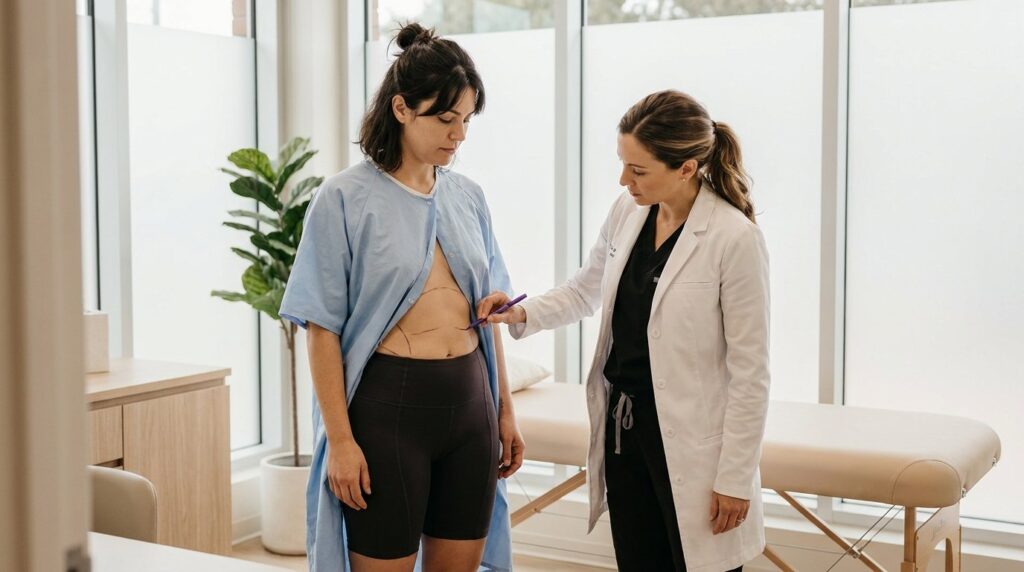
A safe clinic pathway should include a real medical review before travel, not just a sales chat. That means asking about smoking, previous blood clots, heart or lung disease, medicines, allergies, body weight changes and whether you have enough skin elasticity for the result you want. If the answer to every question is “you’re fine” after only a few photos, the assessment may not be thorough enough.
Good questions to ask before booking include the following:
- ✓Who will perform the operation, and what is their plastic surgery training?
- ✓In what hospital or surgical facility will it take place?
- ✓What pre-op tests are needed for my age and health history?
- ✓How is clot risk reduced before and after surgery?
- ✓Who sees me after surgery, and how often, before I fly home?
- ✓What happens if I need urgent review once I return home?
You can also review the clinic’s broader information pages, such as the about page, the listed doctor profiles and how a consultation request is handled. The goal is not to find perfect marketing. It is to see whether the service feels medically organised, transparent and realistic.
The team asks detailed questions about your health, smoking, medications, previous surgery and travel plans before confirming suitability.
You are pushed to book quickly, offered surgery without proper screening, or promised an unrealistically easy recovery.
What is recovery really like after liposuction in Turkey?
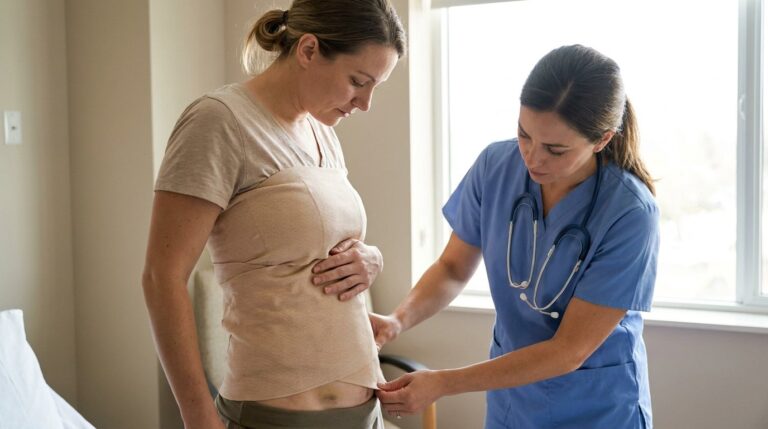
Recovery is often more straightforward than patients fear, but it is usually more gradual than social media suggests. In the first few days, most people feel sore, swollen and stiff rather than sharply ill. You may see fluid drainage from small incision sites, especially early on. Compression garments are commonly used to support the treated areas and help manage swelling.
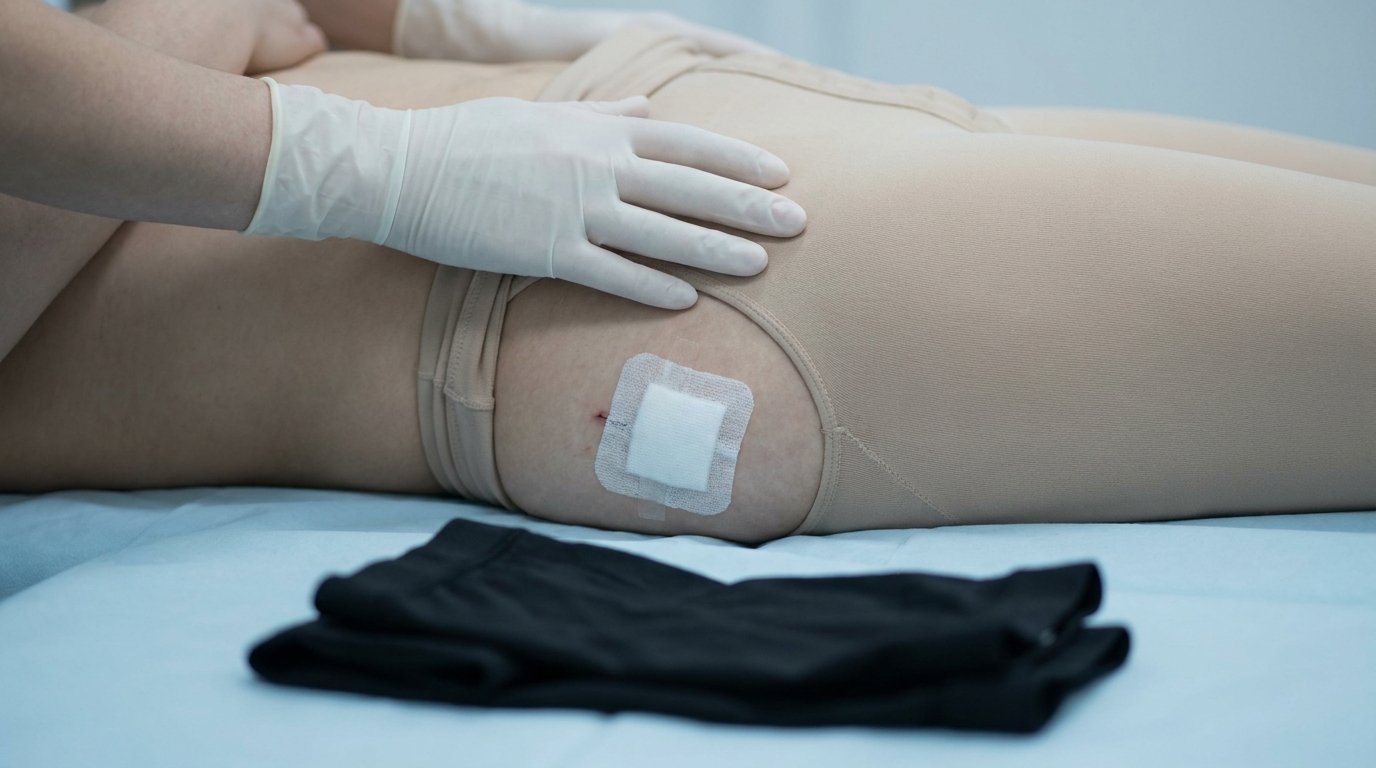
The Mayo Clinic notes that liposuction is followed by swelling, bruising and discomfort, and final contour improvement takes time as tissues settle. That is why the first week is rarely a good time to judge the result. The body is still reacting to surgery.
For travel planning, many international patients need several days in Turkey after the operation, and some need longer if multiple areas were treated or another procedure was added. A short stay can be possible in selected cases, but it should not come at the cost of skipping review appointments. You should expect at least one early post-op check before flying.
Most patients can do light walking very early, and that is important because gentle movement helps circulation. Desk work may be possible after a short initial recovery period in some cases, but people with physically demanding jobs usually need longer. Exercise is typically phased back in slowly rather than all at once. Compression wear and activity timing should follow the operating surgeon’s instructions because techniques and treatment areas vary.
A realistic recovery timeline
The first few days are usually the most awkward. Getting in and out of bed can feel slow, swelling is noticeable, and you may rely on loose clothes and regular rest. By the second week, many people feel more mobile and less sore, although swelling often remains obvious.
Through the following weeks, tenderness usually eases and the shape starts to look more refined, but this is the stage where patience matters. Some areas soften and settle faster than others. Numb patches, firmness and uneven swelling can happen during normal healing.
A result that looks “final” too early should not be expected. Liposuction recovery is often judged in stages, not in one dramatic reveal.
⚠️ Compression is part of the recovery plan Wear time varies by technique and surgeon preference, so follow your own instructions rather than a generic online timetable.
When is it safe to fly home after liposuction?
This is one of the most important travel questions, and the answer is not the same for everyone. Flying too soon after surgery can be uncomfortable, and long periods of sitting may add to clot risk in some patients. The exact timing depends on the extent of liposuction, whether you had general anaesthesia, your medical history, and whether your surgeon is happy with early healing.
The NHS advises people to follow their surgeon’s advice about travel after an operation, and many plastic surgeons are cautious about early long-haul flights because of swelling, limited movement and clot concerns. In practice, patients usually need enough time for an early examination, dressing review, and a check that pain, mobility and fluid balance are acceptable before they travel.
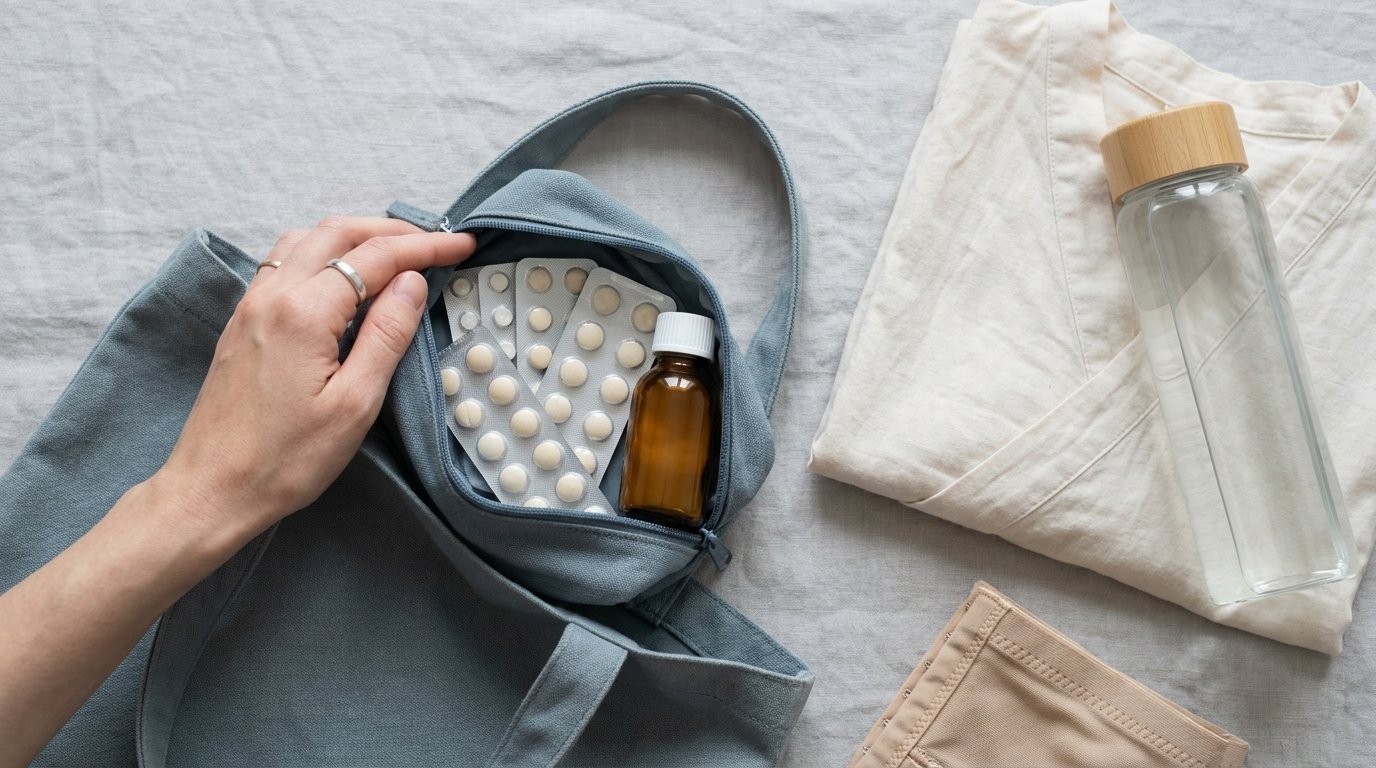
If you are flying home after liposuction, plan for a calm journey rather than a rushed exit. Wear loose clothes over your garment, keep prescribed medicines in your hand luggage, drink water, and get up to move as advised during the trip. If your return flight is long, this becomes even more relevant.
What matters most is not finding the shortest possible stay. It is leaving at a point where the team has actually assessed you and you feel medically stable, mobile and informed about warning signs.
Which warning signs after liposuction need urgent medical review?
Some swelling, bruising and soreness are expected. That said, there is a line between normal recovery and symptoms that should not be watched casually. Knowing that line is part of safe medical tourism.
You should seek urgent medical advice if you develop worsening shortness of breath, chest pain, calf pain or significant one-sided leg swelling, because these can be warning signs of a blood clot or a clot travelling to the lungs. The NHS and Mayo Clinic both stress that sudden breathing symptoms after surgery need prompt assessment.
Other red flags include a high temperature, rapidly increasing redness, worsening pain that is not controlled as expected, foul-smelling drainage, heavy bleeding, or a treated area that becomes dramatically more swollen or tense. A small amount of leaking fluid can be normal early on, but increasing discharge or signs of infection should not be brushed off.
Before you travel home, make sure you know exactly who to contact during office hours and out of hours. If you are returning to another country, ask what the clinic expects you to do if a local emergency department or doctor needs the operation details. That kind of planning feels boring before surgery, but it becomes extremely valuable if recovery takes an unexpected turn.
🚨 Do not wait on breathing symptoms Sudden shortness of breath or chest pain after surgery needs urgent medical assessment.
- →Chest pain or sudden shortness of breath
- →One-sided calf pain or marked leg swelling
- →Fever, spreading redness or foul-smelling drainage
- →Pain or swelling that suddenly becomes much worse
- →Any symptom that makes you feel faint, confused or acutely unwell
How do you choose the right clinic and plan the trip well?
Choosing well is often less about finding the cheapest quote and more about finding the clearest process. A good clinic experience usually feels organised from the first contact. Your questions are answered directly, the limits of liposuction are explained, and the recovery plan makes sense for an international patient rather than a local one who lives ten minutes away.
Ask about airport transfers, hotel distance from the hospital, the number of follow-up visits before departure, and whether someone can help if you are moving slowly after surgery. It is also sensible to ask how photographs are assessed, whether in-person examination may change the surgical plan, and what happens if the surgeon decides on safety grounds that surgery should not go ahead.
If you are comparing providers, look for consistency between the public information, the consultation process and the aftercare promises. A clinic should be easy to contact, and you should understand how to reach the team through the contact page if you need practical help before travelling. You can also start with the main clinic homepage to understand the broader service structure.
Finally, be honest with yourself about why you are travelling. If you need major skin tightening, muscle repair or a large combined body procedure, the best plan may be a more involved operation with a longer stay and a slower recovery, not “just liposuction.” Matching the operation to the actual problem is one of the strongest safety decisions you can make.
Frequently Asked Questions
References
- 📎NHS – Cosmetic procedures
- 📎ASPS – Cosmetic procedures
- 📎Mayo Clinic – Tests and procedures
- 📎PubMed search – liposuction venous thromboembolism recovery compression
Related Articles

You Might Also Like


Related articles
Our specialists
 Clineca SpecialistErkan PinegözPlastic & Reconstructive Surgery
 Clineca SpecialistHakan AktaşPlastic & Reconstructive Surgery
 Clineca SpecialistOrkun UzuneyüpoğluPlastic & Reconstructive Surgery
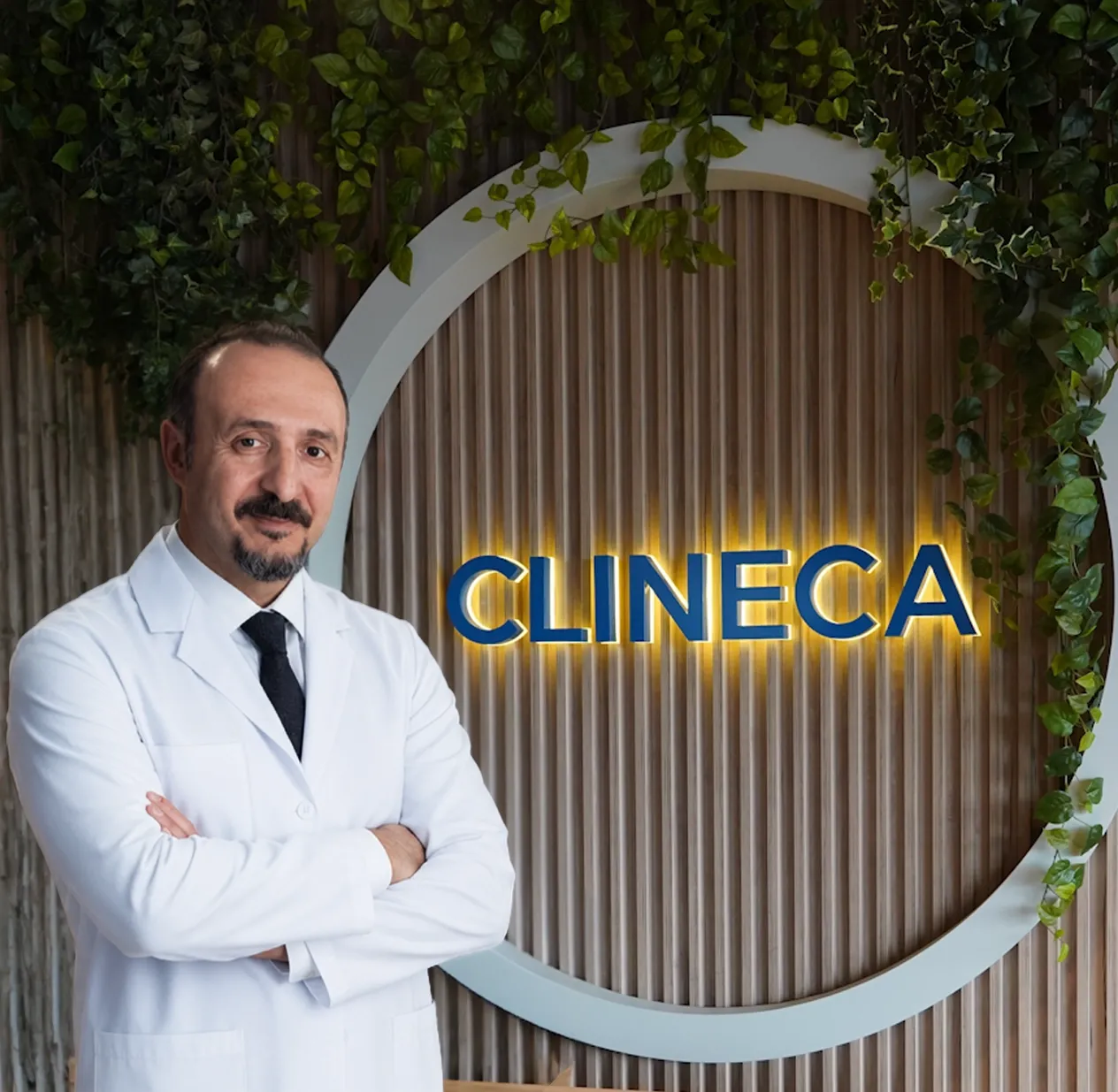 Clineca SpecialistSalim İskenderPlastic & Reconstructive Surgery
 Clineca SpecialistEngin SelamioğluPlastic & Reconstructive Surgery
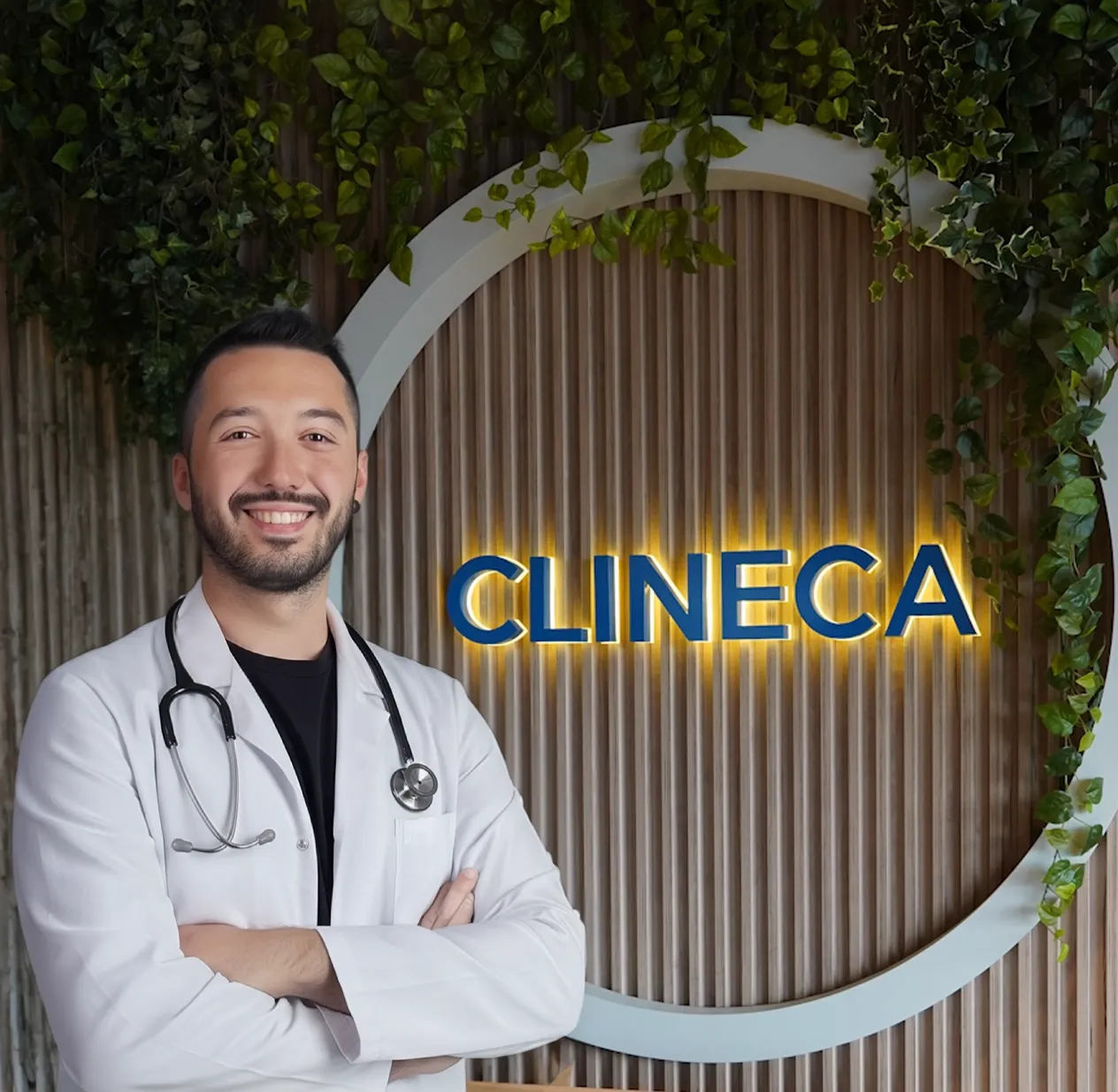 Clineca SpecialistCem AydınPlastic & Reconstructive Surgery
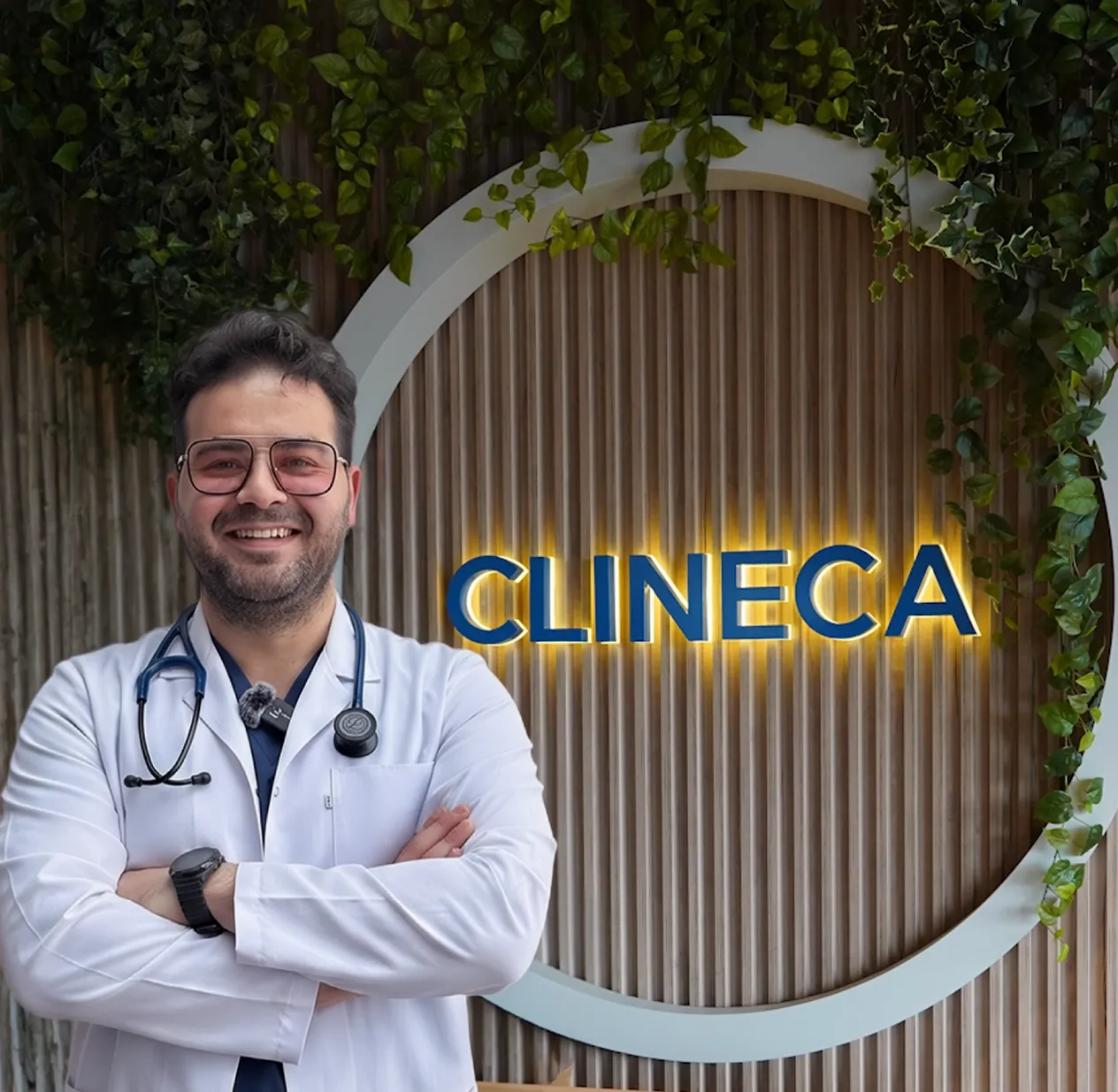 Clineca SpecialistAlperen ÖnalEar, Nose & Throat (ENT)