
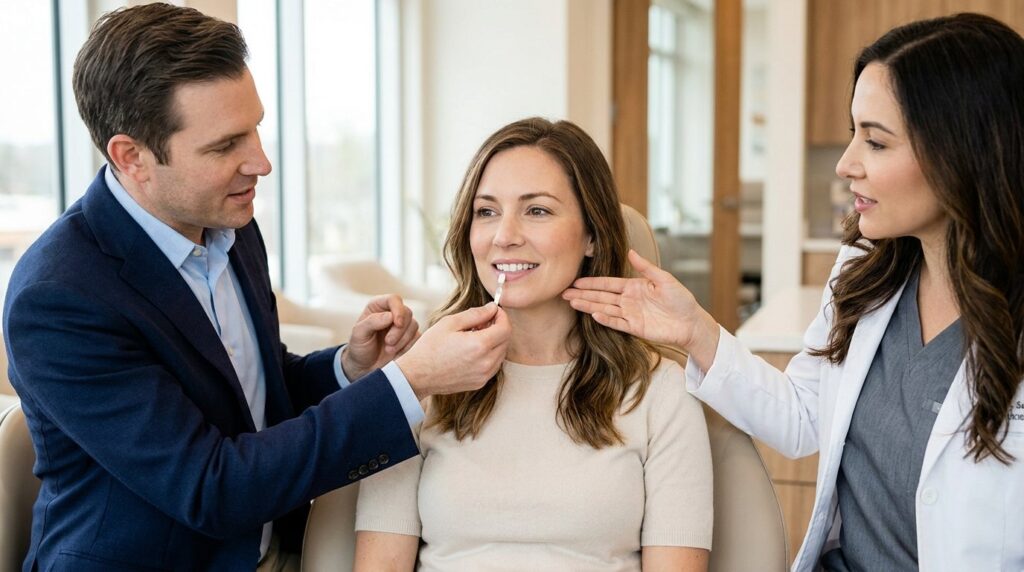
Have a question about Dental veneers?
In this article
- Which should usually come first: veneers or facial plastic surgery?
- Why can facial surgery change the way veneers should be designed?
- When is it reasonable to do veneers before facial surgery?
- How long should you wait between facial surgery and veneers?
- Can veneers and facial surgery be done on the same trip to Turkey?
- How do you choose a safe clinic team for this kind of combined planning?
If you are asking should I do veneers before or after facial plastic surgery, you are usually trying to avoid one very expensive mistake: changing the teeth first, then realising the face changes the smile. It is a sensible question, especially for patients travelling abroad, because timing affects not just appearance but also healing, bite comfort and how many trips you may need.
Which should usually come first: veneers or facial plastic surgery?
In most cases, facial plastic surgery should come first and veneers should come after healing has settled. That is not because veneers and surgery are incompatible. It is because many facial procedures can change the way the lips rest, how much tooth shows when you smile, and the balance between the nose, chin, cheeks and teeth.
This matters most with surgery around the lower face and mouth, but it can also matter with nose and profile surgery. A rhinoplasty does not move the teeth, of course, yet it can change overall facial balance enough that patients want a different veneer shape, width or brightness afterward. Chin surgery, lip lift surgery, jawline procedures and facelifts can affect smile framing even more clearly.
A practical rule works well here: if the surgery may change facial proportions or lip position, it is usually better to finalise surgery first, then design the veneers around the healed face. That tends to produce a smile that looks more natural in the whole face rather than beautiful teeth that feel slightly “off” once swelling has gone and the profile has changed.
According to the NHS guidance on cosmetic procedures, patients should make sure they have enough time to recover and enough information to make an informed decision before treatment. In real life, that means not stacking elective treatments too quickly just for convenience.
There are exceptions. If your veneers are being done only to repair a small cosmetic issue and your planned facial procedure is far from the mouth, the order may be more flexible. Small edge bonding or minor shape correction may not need the same waiting period as a full veneer case. If you are comparing lighter-touch options, our article on dental bonding in Turkey may help you see why some patients delay permanent veneer decisions until after surgery.
📋 The usual order If the facial procedure may change profile, lip support or tooth show, surgery first and veneers later is usually the safer sequence.
Why can facial surgery change the way veneers should be designed?
Veneers are not chosen in isolation. Good veneer planning looks at the smile line, lip movement, midline, face shape and how much tooth shows at rest. If one of those facial landmarks changes, the same veneer plan may no longer be ideal.
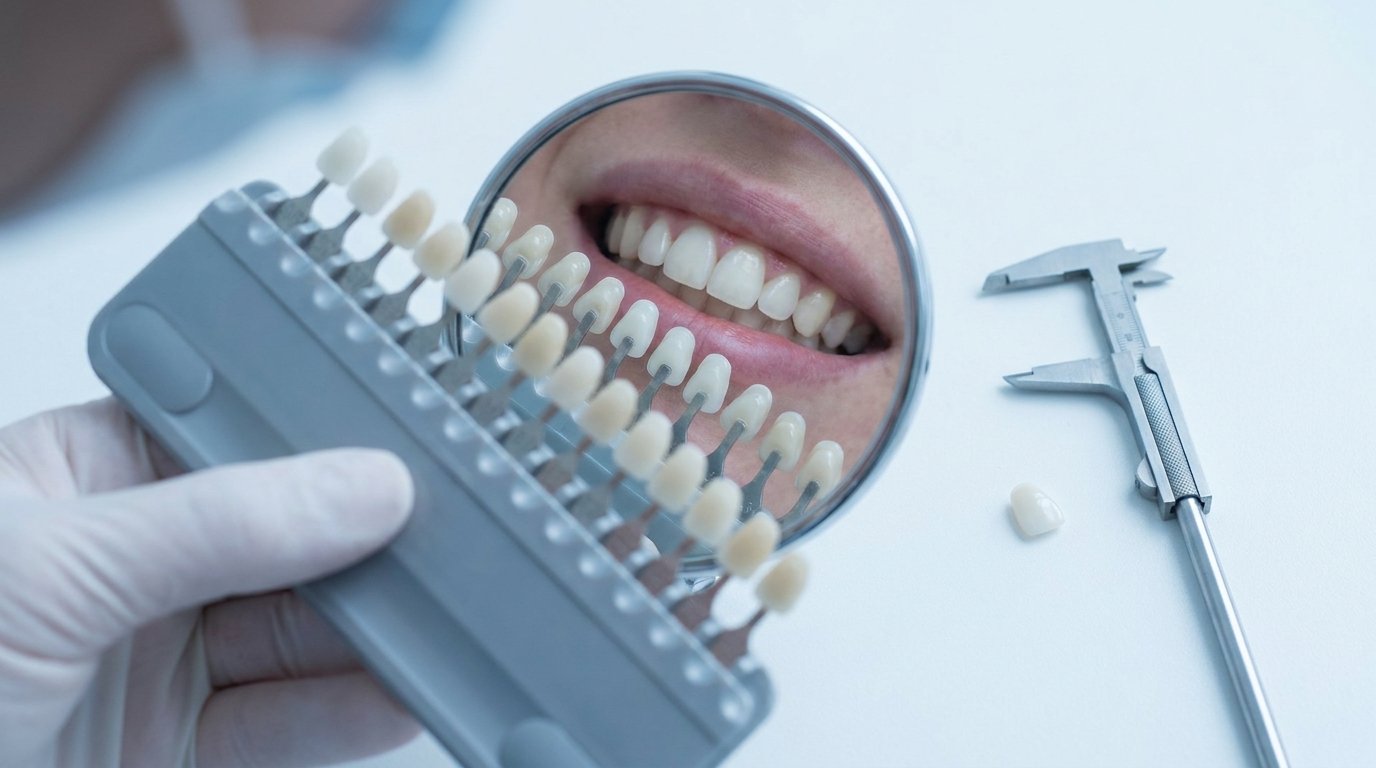
A lip lift is the clearest example. It can increase upper tooth show at rest, so teeth that once looked conservative may suddenly look longer or more dominant. A facelift can alter soft tissue tension around the mouth. Chin augmentation or reduction can change the profile relationship between the lower face and the front teeth. Even rhinoplasty can make patients rethink whether they want softer, straighter or more prominent tooth shapes because facial balance has shifted.
The Aesthetic Society and ASPS both frame facial cosmetic surgery around harmony and proportion rather than one isolated feature. That idea is important here. Veneers are part of smile design, but smile design sits inside facial design.
A 2019 paper in Facial Plastic Surgery discussed the growing use of quality-of-life tools after rhinoplasty, reflecting how patients judge results in the context of the whole face rather than a single technical change. That same principle applies when deciding veneer timing: people do not see teeth separately from the rest of the face.
If your planned procedure is rhinoplasty, profile surgery or another face-shaping operation, it helps to read about combining rhinoplasty with another surgery because the recovery-planning logic is similar even when the second treatment is dental rather than surgical.
A healed face gives the dentist a more stable reference for tooth shape, length and visible tooth show.
Patients sometimes choose veneers first, then feel the smile no longer matches their face after surgery swelling settles.
When is it reasonable to do veneers before facial surgery?
There are situations where veneers first can make sense, but they are narrower than many patients expect. If the facial procedure is minor, far from the mouth, and unlikely to change lip posture or profile balance, a dentist and surgeon may agree that veneers can be done first.
This is more realistic when the dental plan is conservative and reversible or minimally invasive. It is less ideal when you are committing to multiple front veneers, major colour change, larger tooth lengthening or a bite adjustment. Once a full smile makeover is completed, changing it later can mean extra cost, more drilling, more appointments and more travel.
Veneers first may also be discussed when there is a strong functional or protective dental reason not to wait, such as worn enamel, fractures or old restorations that need replacement. Even then, it is worth asking whether a temporary or staged approach would protect the teeth now and leave the final cosmetic design until after facial healing.
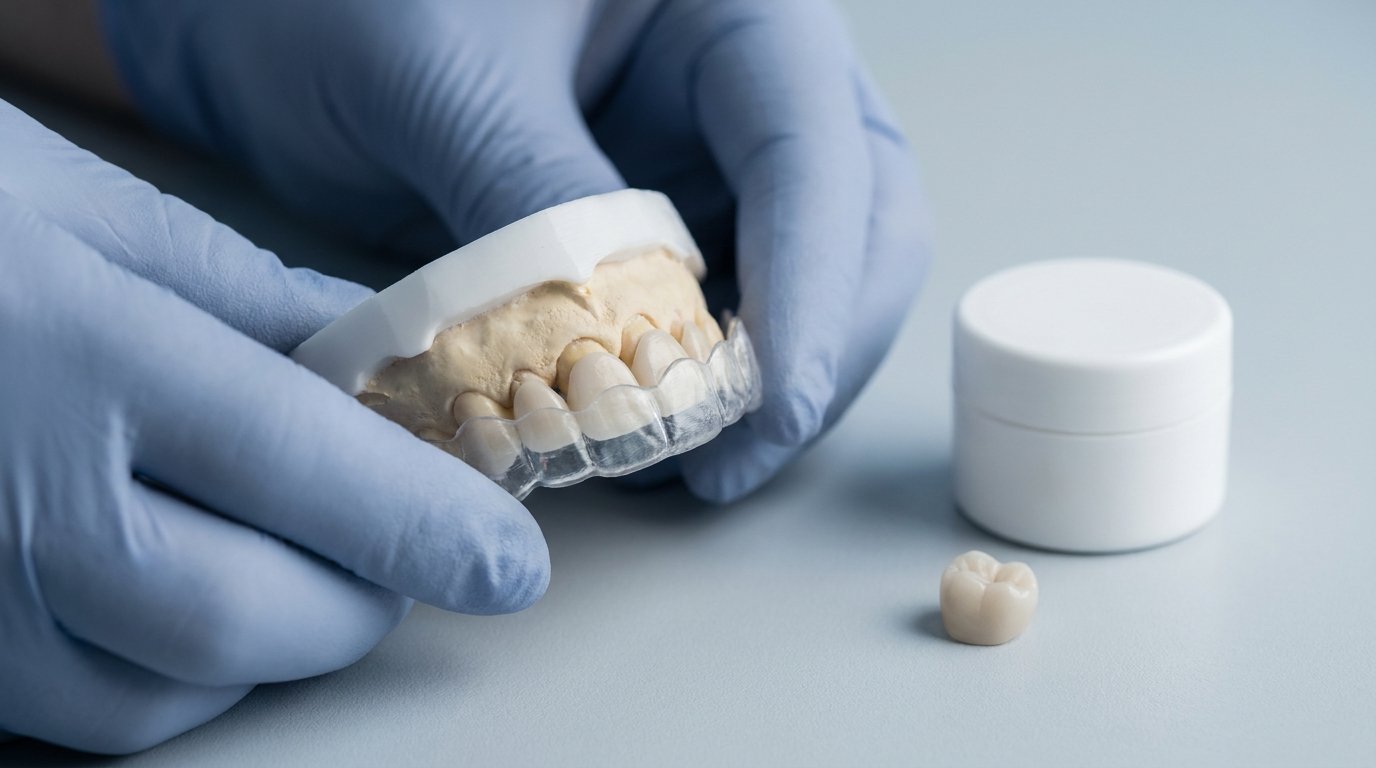
If your concern is mainly cosmetic and your teeth do not urgently need treatment, waiting is often the simpler path. Patients who are still deciding between veneers and other surface-level options may find it useful to compare with dental veneers in Turkey and think about whether a smaller intervention would buy time before committing.
- ✓Veneers first is more reasonable when the facial procedure is minor and unlikely to change lip position.
- ✓It is more suitable for conservative dental work than for a full smile makeover.
- ✓Urgent dental needs may justify staged treatment before surgery.
- ✓If there is no urgency, many patients are happier choosing final veneer design after facial healing.
How long should you wait between facial surgery and veneers?
The right gap depends on the surgery. The point is not only wound healing. It is also waiting for swelling to settle, lip movement to feel normal again and your face to look close to its long-term shape.
For a smaller facial procedure away from the mouth, the gap may be shorter. For surgery that changes profile, lip support or soft tissue around the mouth, it is wiser to wait longer. Dentists usually want a stable smile line before approving final veneer proportions.
A facelift review published in Plastic and Reconstructive Surgery in 2015 focused on the anatomy that underpins facial ageing and facelift technique. In plain terms, that reinforces an important reality for patients: facial soft tissues take time to settle, and design decisions made too early can be premature.
⚠️ Do not rush the cosmetic final step Temporary dental solutions can be useful if your teeth need attention now but your facial proportions may still change after surgery.
Can veneers and facial surgery be done on the same trip to Turkey?
Sometimes, but often not ideally if you want the best final smile design. International patients understandably try to reduce travel, time off work and hotel stays. One of the most common questions patients ask is whether everything can be done in one visit. The honest answer is that convenience and ideal sequencing are not always the same thing.
If the dental work is minor and the facial procedure is not expected to affect smile design, a single trip may be workable. If you are planning a procedure that changes facial harmony in a visible way, many patients do better with a staged plan: surgery first, recovery period, then veneers on a later trip once the face is more settled.
This is also safer from a comfort point of view. Right after facial surgery, you may not want long dental appointments, repeated mouth opening, bite checks or shade decisions while you are swollen and tired. Organisationally, a staged plan often produces better communication too, because the surgeon and dentist can review healed photos rather than guessing.
When reviewing a package quote, ask exactly what is included: consultations, imaging, temporary restorations if needed, hotel nights, transfers, medication, follow-up visits and whether revision or adjustment appointments would require another trip. Our article on what an all-inclusive surgery package in Turkey may include is useful for understanding how these logistics are usually structured.
Cost should be discussed in qualitative terms rather than as a headline number. The main drivers are how many teeth are treated, the material used, whether temporaries are needed, the complexity of the facial surgery, anaesthesia, aftercare and whether you need one trip or two. A personalised quote should only be confirmed after consultation and review of photos or scans.
Many health-tourism patients choose surgery on the first trip and final veneers on a second trip once swelling has settled.
Possible in selected cases, but only when the facial procedure is unlikely to change smile design or lip position.
How do you choose a safe clinic team for this kind of combined planning?
This question is as important as the treatment order. You are not just choosing a dentist or a surgeon. You are choosing whether two treatment plans can be coordinated sensibly.
Look for a surgeon with recognised specialist training and a dentist experienced in aesthetic planning, not only quick cosmetic turnover. For surgery, ask about board recognition and whether the surgeon’s qualifications are transparent. In Europe, patients often look for standards aligned with bodies such as EBOPRAS for plastic surgery training and examination. For general cosmetic-surgery safety principles, the NHS advises checking who will perform the procedure, what qualifications they hold and what aftercare is provided.
Good signs are careful photo review, a willingness to say “wait” when timing is not right, and clear explanations about temporary versus final dental work. Bad signs include pressure to do both immediately, vague answers about recovery, or a quote that does not explain what happens if you need extra review after swelling settles.
Communication matters a great deal for international patients. Fast replies are helpful, but more important is whether the team answers the actual timing question rather than simply pushing the larger treatment plan.
This article is for informational purposes only and does not constitute medical advice. Always consult a qualified surgeon for personalised guidance.
The team discusses healing stages, asks for photos of your natural smile and profile, and is comfortable staging treatment over more than one visit.
You are pushed toward same-trip veneers and surgery without a clear reason, detailed aftercare plan or explanation of how facial healing could affect smile design.
Frequently Asked Questions
References
- 📎Cosmetic procedures guidance — NHS
- 📎Cosmetic Procedures — ASPS
- 📎Aesthetic Plastic Surgery Statistics — The Aesthetic Society
- 📎Outcomes in Rhinoplasty — Facial Plastic Surgery, 2019
- 📎Face Lift — Plastic and Reconstructive Surgery, 2015
- 📎European Board of Plastic Reconstructive and Aesthetic Surgery — EBOPRAS
You Might Also Like


Our specialists
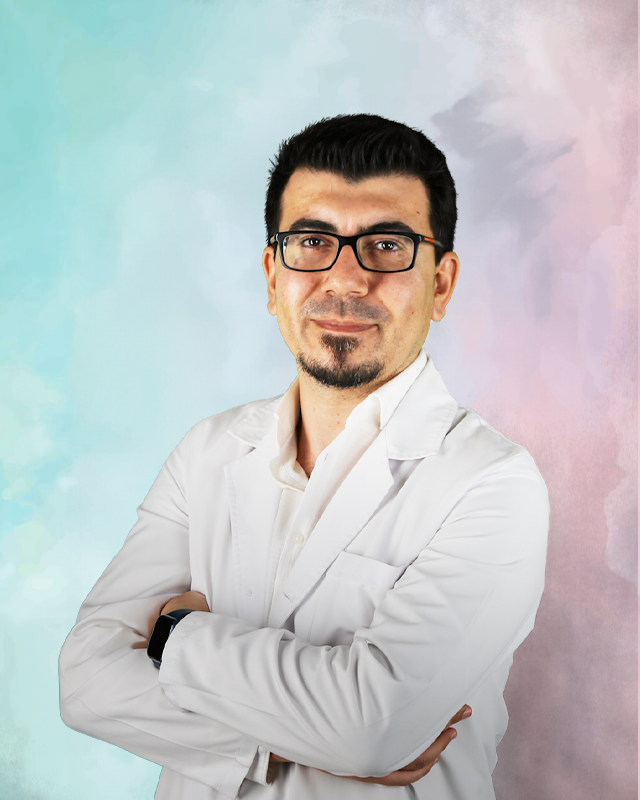 Clineca SpecialistErkan PinegözPlastic & Reconstructive Surgery
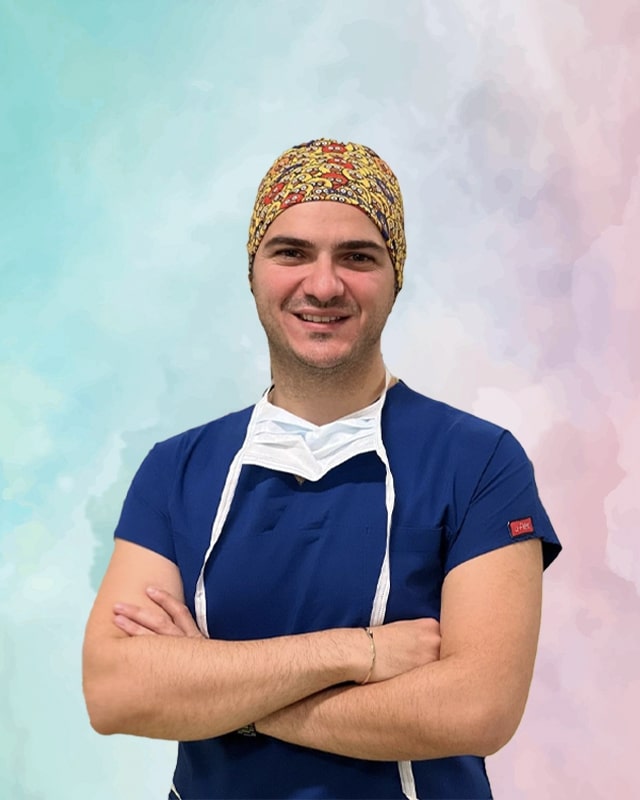 Clineca SpecialistHakan AktaşPlastic & Reconstructive Surgery
 Clineca SpecialistOrkun UzuneyüpoğluPlastic & Reconstructive Surgery
 Clineca SpecialistSalim İskenderPlastic & Reconstructive Surgery
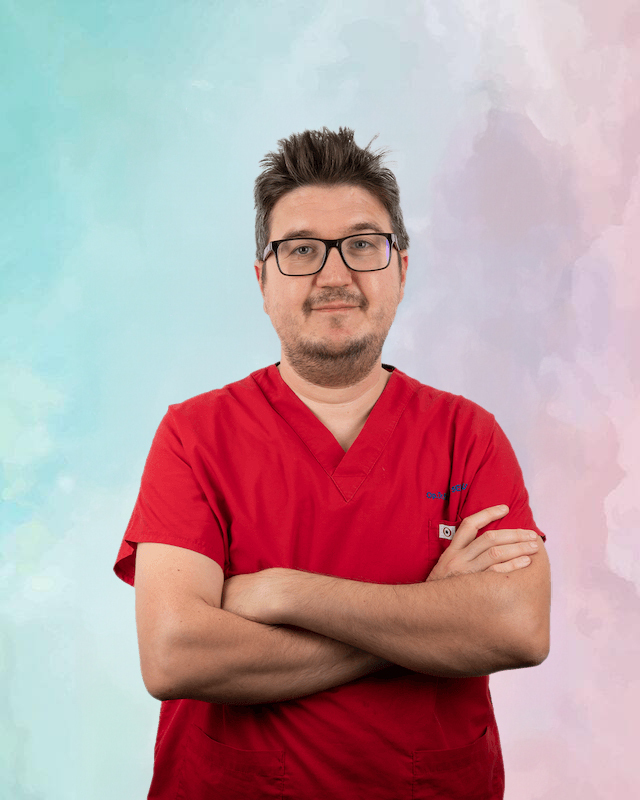 Clineca SpecialistEngin SelamioğluPlastic & Reconstructive Surgery
 Clineca SpecialistCem AydınPlastic & Reconstructive Surgery
 Clineca SpecialistAlperen ÖnalEar, Nose & Throat (ENT)