
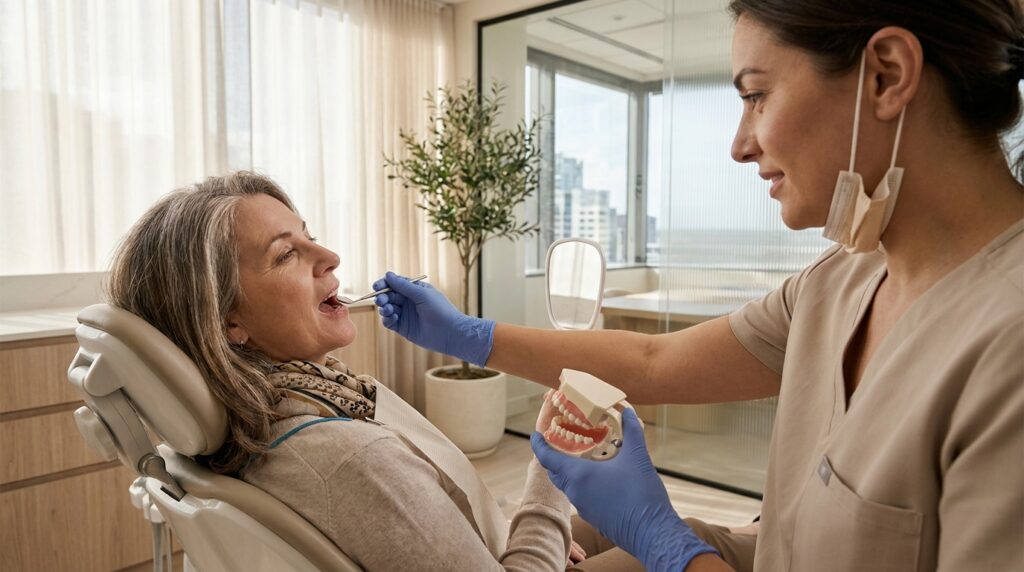
Have a question about Dental Implants?
In this article
- What are turkey dental implants and who are they for?
- How much do dental implants cost in Turkey?
- Why are dental implants cheaper in Turkey?
- How long does dental implant treatment and recovery take?
- What is recovery like after turkey dental implants?
- Are dental implants in Turkey safe?
- How do Turkey implants compare with crowns, bridges and dentures?
- How long should you stay in Turkey for dental implants?
- How do you choose a good implant clinic in Turkey?
- What should you ask about insurance, guarantees and follow-up?
Turkey dental implants can be a cost-saving option for many international patients, with pricing that varies depending on bone grafting, crowns, brand and case complexity. They can be safe when treatment is carefully planned with a qualified implant dentist and enough healing time is allowed, but full treatment usually takes months rather than days, even if your first visit is short.
What are turkey dental implants and who are they for?
Turkey dental implants are artificial tooth roots, usually titanium posts, placed in the jaw to support a crown, bridge or full-arch teeth replacement. They may suit people with missing teeth and healthy enough gums and bone, but they are not the quickest or best option for every mouth.
Dental implants replace the root of a missing tooth. A small metal post is placed into the jawbone, then after healing it supports the visible tooth replacement on top. That top part may be a single crown, a bridge, or a full-arch fixed prosthesis for several teeth.
If you are researching turkey dental implants, it helps to separate three things that are often bundled together online:
- ✓The implant fixture placed in the bone
- ✓The abutment that connects the implant to the tooth above
- ✓The final restoration, often a crown or bridge
A dental crown is the tooth-shaped cap that sits on top of a prepared natural tooth or on an implant-supported abutment. If you want a fuller explanation, see this page on dental crowns.
People usually consider implants when they:
- ✓Have one or more missing teeth
- ✓Want a fixed option instead of a removable denture
- ✓Have enough bone, or can have a bone graft or sinus lift if needed
- ✓Can commit to follow-up care and healing time
Implants are not always the best fit. In some cases, a dental bridge, denture, or staged treatment is more realistic. Heavy smoking, uncontrolled diabetes, active gum disease, teeth grinding, poor oral hygiene, and very low bone volume can all affect whether treatment is suitable.
The American Academy of Implant Dentistry is often mentioned online, but for practical patient guidance the most useful point is simpler: implant treatment works best when diagnosis, bite planning, gum health and aftercare are handled properly. The implant itself is only one part of the result.
If you are comparing options, the broader dental implants treatment page can help you understand the treatment pathway before focusing on travel logistics.
A bridge or denture may be more practical if bone is limited, healing time is tight, or budget is fixed.
- ✓Best for missing teeth when you want a fixed replacement
- ✓Needs healthy gums or gum treatment first
- ✓May need bone grafting before or during implant treatment
- ✓Usually requires more than one visit for the safest long-term plan
How much do dental implants cost in Turkey?
Indicative turkey dental implants costs are usually lower than in the UK, Ireland or US, but the final total depends on scans, implant brand, bone grafting, temporary teeth, crowns and how many visits you need. A true quote should break each part down clearly rather than giving one vague package price.
This is the question most people start with: how much are dental implants in Turkey? The honest answer is that prices vary a lot, and the lowest headline price is rarely the final spend.
For a simple single implant case, many clinics quote an approximate range in euros. More complex cases, such as full-mouth rehabilitation, can rise sharply once extractions, grafting, sinus lift surgery, temporary teeth, sedation or premium implant systems are added.
Below is an indicative guide only. It is not a guaranteed price list, and the final cost should be confirmed after consultation, examination and scans.
A careful quote should tell you:
- ✓How many implants are planned
- ✓Which implant brand is being used
- ✓Whether the price includes the abutment and crown
- ✓Whether bone grafting or sinus lift is likely
- ✓Whether temporary teeth are included
- ✓How many visits are needed
- ✓What happens if more treatment is needed after the CT scan
Many patients compare Turkey with a local “dentist near me” search and notice a big gap in pricing. That can be real, but it is only a fair comparison if you are matching like for like: same implant brand, same imaging, same restoration material, and similar aftercare.
Some patients also ask whether dental insurance, Delta Dental or other plans will cover treatment abroad. Often they do not, or they reimburse only a limited amount, but this depends on your policy. Medicare and Medicaid rules also vary by country and plan type; they are not reliable assumptions for overseas private implant care.
⚠️ Be cautious with very low package prices A headline deal may exclude CT scans, temporary teeth, grafting, abutments or the final crowns. Ask for a written itemised quote.
- →Ask whether airport transfers and hotel are included
- →Ask what happens if your CT scan changes the plan
- →Ask whether revisions or remakes carry extra fees
- →Ask who pays if you need emergency care back home
Why are dental implants cheaper in Turkey?
Lower prices do not automatically mean lower standards, but they do need explaining. In Turkey, clinic overheads, staff costs, rent and some lab costs may be lower than in the UK or US. Many centres also treat high volumes of international patients, which can make package pricing more competitive.
That said, cheaper does not always mean better value. A good-value implant case is one that is planned well, uses suitable materials, leaves enough time for healing, and gives you proper records for follow-up. A cheap case that needs repair later can become expensive very fast.
When you compare quotes, look beyond the headline number and ask:
- ✓Is the diagnosis based on a recent CT scan?
- ✓Is gum treatment needed first?
- ✓Is the clinic pushing full-mouth treatment when fewer implants might work?
- ✓Are they explaining alternatives like bridges, removable options, or phased treatment?
- ✓Will you leave with safe temporary teeth if your case needs them?
The right question is not just “how much do dental implants cost?” It is “what exactly am I paying for, and what risks am I accepting at that price?”
Clear planning, itemised pricing, suitable implant system, quality lab work and realistic healing time.
A bargain package that skips diagnosis, rushes treatment or leaves you without a workable follow-up plan.
How long does dental implant treatment and recovery take?
Your first trip may be only a few days, but complete implant treatment usually takes several months because bone needs time to heal around the implant. Some people can have same-day temporary teeth, yet the final long-term teeth are often fitted later after healing is confirmed.
This is one of the biggest misunderstandings in dental tourism. The surgery itself may be quick. The biology is not. After an implant is placed, the bone needs time to bond with it. This is called osseointegration, which simply means the implant heals into the bone.
According to the NHS, healing after tooth extraction and implant-related treatment can take several months, and your exact timeline depends on your mouth, bone quality and whether grafting is needed. That is why many patients travel in two stages rather than trying to finish everything in one rushed week.
A common timeline looks like this:
📋 Same-day teeth are not the same as same-day final teeth Immediate temporary teeth can be possible in selected cases, especially for full-arch work, but the final restoration is often fitted later.
- ✓Allow at least 3-7 days in Turkey for the surgical visit
- ✓Expect soft foods for the first days after placement
- ✓Plan for a second trip if your case needs full healing before final crowns
- ✓Do not book treatment if you cannot manage follow-up at home
What is recovery like after turkey dental implants?
Most people can walk around and do light daily activities within a day or two, but tenderness, swelling and a soft-food diet are common early on. Full recovery is less about feeling normal and more about allowing the implant and bone enough quiet healing time.
Recovery is usually manageable, but it is still surgery. You may have soreness, swelling, bruising, a small amount of bleeding, and difficulty chewing on the treated side for a few days.
A typical recovery pattern is:
- ✓First 24-48 hours: numbness wears off, discomfort starts, swelling begins
- ✓Days 2-4: swelling and tightness are often at their peak
- ✓By 1 week: many people feel much better, though the area is still healing
- ✓Following weeks: the gum settles, but the implant remains in a deeper healing phase
You will usually need:
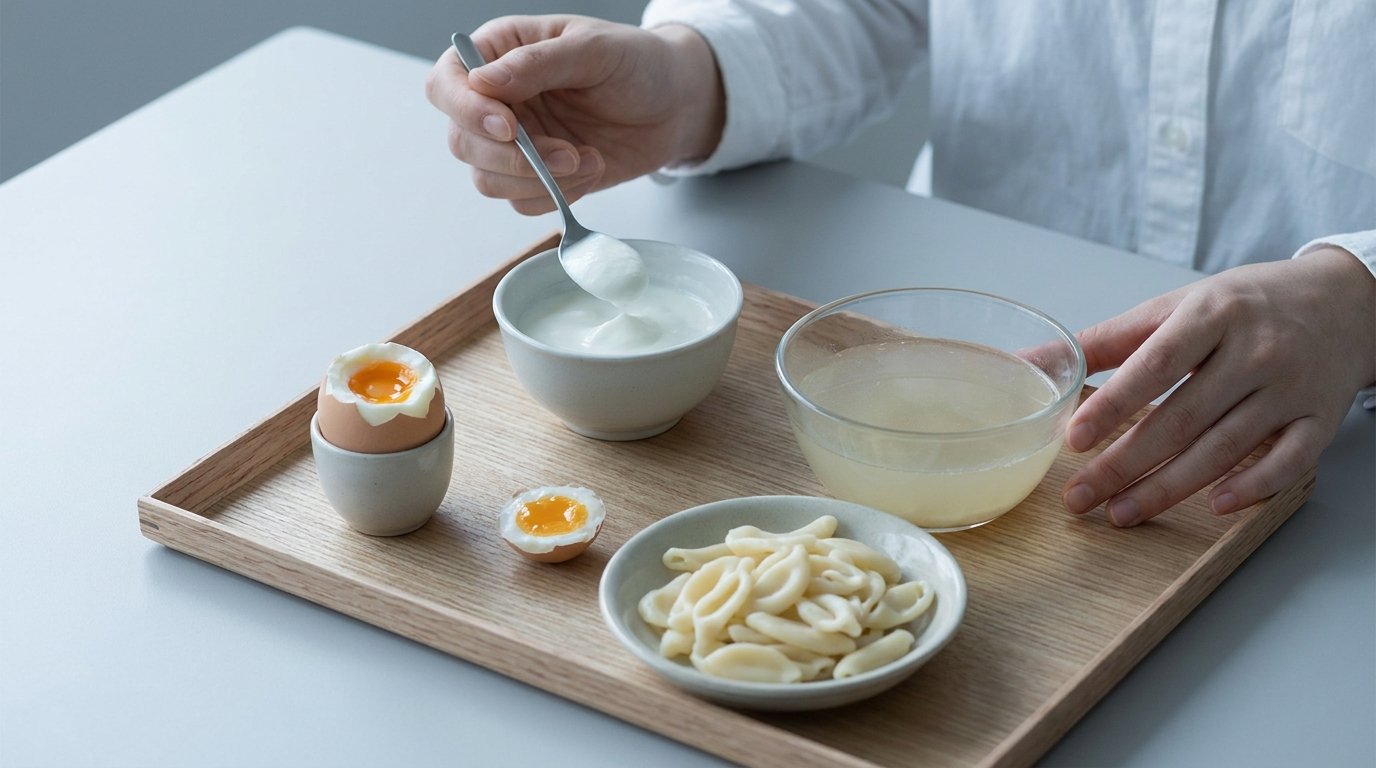
- ✓Soft foods such as yoghurt, eggs, soup and pasta at first
- ✓Careful brushing around the site
- ✓Chlorhexidine or another mouth rinse if prescribed
- ✓No smoking if possible, especially in the early healing period
- ✓No hard chewing on temporary teeth unless your dentist says it is safe
If bone grafting or several implants are done at once, expect a slower recovery.
Red flags after implant surgery
Seek urgent dental review if you have:
- ✓Heavy bleeding that does not settle
- ✓Increasing swelling after several days instead of gradual improvement
- ✓Pus, bad taste, fever, or signs of infection
- ✓A loose implant or loose temporary bridge
- ✓Severe pain that is not controlled by the prescribed plan
The Mayo Clinic and NHS both stress the basics that matter most after dental surgery: follow aftercare, keep the area clean, watch for infection, and get reviewed if symptoms worsen rather than improve.
🚨 Flying home too soon can be stressful It may not be unsafe in every simple case, but leaving before an early check-up can make pain, swelling or adjustments much harder to manage.
Are dental implants in Turkey safe?
Dental implants in Turkey can be safe, but safety depends much more on diagnosis, hygiene standards, clinician skill, case selection and follow-up than on the country alone. The safest choice is usually the provider who explains limits clearly, not the one promising the fastest or cheapest full-mouth fix.
This is the right question to ask. Country alone does not make treatment safe or unsafe. Systems, standards and provider choices matter more.
The main risks with implant treatment are similar wherever you have it done:
- ✓Infection
- ✓Implant failure to integrate with the bone
- ✓Nerve injury in the lower jaw
- ✓Sinus problems in the upper jaw if planning is poor
- ✓Gum recession or bone loss around the implant later
- ✓Bite problems if the final teeth are poorly designed
The NHS notes that dental implants can fail, especially if oral hygiene is poor or if other risk factors are present. That is why careful planning and long-term maintenance matter.
For dental tourism, there are extra practical safety issues:
- ✓Too little time for proper diagnosis
- ✓Treatment plans based only on photos before a CT scan
- ✓Pressure to remove many teeth quickly
- ✓Limited follow-up once you return home
- ✓Difficulty getting warranty issues handled from abroad
A safe clinic conversation should include benefits, limits, alternatives and what happens if something goes wrong. If you feel pushed toward a full set of crowns or implants without a clear reason, slow the process down.
You can also review the provider background on the clinic’s about page, and if you want to ask case-specific questions, use the consultation page.
Recent scans, written treatment plan, clear explanation of alternatives, proper consent, and realistic timing.
Diagnosis from selfies alone, pressure selling, no named implant brand, and promises to finish everything in a weekend.
- ✓Ask who places the implant and who designs the final restoration
- ✓Ask whether sterilisation and imaging are done on site
- ✓Ask how complications are handled after you return home
- ✓Ask for copies of your scans, implant passport and treatment records
How do Turkey implants compare with crowns, bridges and dentures?
Implants can feel more stable and help preserve chewing function, but they cost more, take longer and involve surgery. Bridges are faster and dentures are usually cheaper, so the best option depends on your bone, budget, timeline and whether you want a fixed or removable result.
Implants are often marketed as the gold standard, but real life is more nuanced. The best treatment is the one that suits your mouth and your priorities.
If one tooth is missing, a bridge may be quicker and avoid surgery, but it usually relies on the neighbouring teeth. If many teeth are missing, dentures cost less but can feel less secure. Full-arch implant bridges can offer a fixed result, though they are more complex and more expensive.
If you are comparing restorations, these pages may help: dental bridges and dental crowns.
A bridge can be sensible if the neighbouring teeth already need crowns or if you want a quicker route.
A denture may be the better starting point if budget is tight or medical factors make surgery less suitable.
How long should you stay in Turkey for dental implants?
For many single or straightforward implant cases, a stay of around 3 to 7 days is common for the surgical stage. For larger cases, especially full-arch work or treatment with extractions and grafting, you may need longer. Then you may need a second trip months later for the final teeth.
A realistic travel plan should leave room for:
- ✓The face-to-face examination
- ✓CT scan and final planning
- ✓Surgery day
- ✓At least one review before flying home
- ✓Time for adjustments to temporary teeth if you have them
Try not to book a return flight for the morning after surgery. A little flexibility can make a big difference if swelling, bite pressure or temporary tooth comfort needs attention.
If you are at the planning stage, the contact page can be used to ask what length of stay is usually advised for your case type.
Practical travel checklist
Bring or send in advance:
- ✓A list of your medicines
- ✓Details of allergies and medical conditions
- ✓Recent dental X-rays if you have them
- ✓A summary if you have had gum treatment, root canal treatment or bone grafting before
- ✓A plan for who will check you at home if needed
If you also need other restorative work, it helps to mention it early. For example, some people need a root canal treatment on another tooth before finalising their bite.
- ✓Single implant visit: often 3-7 days
- ✓Complex or full-arch case: often longer
- ✓Final crowns often need a second trip after healing
- ✓Leave a buffer day before flying home if possible
How do you choose a good implant clinic in Turkey?
Choose the clinic that gives the clearest diagnosis and the most sensible plan, not the flashiest package. You want named clinicians, transparent pricing, proper imaging, honest discussion of limits, and a clear route for follow-up once you are back home.
A strong clinic choice process is your best safety tool.
Here is what to look for:
- ✓A detailed review of your dental history, not just photos of your smile
- ✓CT-based planning for implant positioning
- ✓Clear explanation of implant brand and restoration materials
- ✓Discussion of gum health and bone levels
- ✓Realistic timescale, especially if healing is needed between stages
- ✓Written quote with inclusions and exclusions
- ✓Aftercare plan for patients returning overseas
Ask direct questions. A good team should be able to answer them plainly.
Questions worth asking before booking
- ✓Who will place my implants, and what is their role in implant dentistry?
- ✓Will you send a written plan after reviewing my scans?
- ✓Is grafting likely, and how would that change cost and timing?
- ✓Will I have temporary teeth, and what can I eat with them?
- ✓What records will I receive to show my local dentist later?
- ✓If something breaks after I go home, what support is offered?
If the conversation feels rushed, sales-led or vague, keep looking. The best clinic for you is usually the one that is happy to say, “You may not need as much treatment as you think,” or, “This cannot be finished safely in one trip.”
⚠️ Do not choose on social media alone Photos can show cosmetic results, but they do not show bite design, gum health, bone levels or how the case held up over time.
Written quote, imaging summary, implant brand details, consent form, aftercare instructions and copies of your radiographs.
What should you ask about insurance, guarantees and follow-up?
This part is easy to overlook when you are focused on price. Yet it matters just as much as the surgery.
If you have dental insurance, ask your insurer whether overseas private treatment is covered, what paperwork they need, and whether implant work is excluded. Many international patients assume a plan similar to Delta Dental insurance will pay, then discover it covers little or nothing abroad.
Also ask the clinic:
- ✓Is there a warranty on the implant, the crown, or both?
- ✓What is excluded from that warranty?
- ✓Does smoking, missed maintenance or teeth grinding affect coverage?
- ✓If a problem happens at home, do they pay local repair costs or only treatment in Turkey?
- ✓How often should you have checks with your local dentist?
A guarantee is only useful if the terms are realistic. A lifetime promise sounds reassuring, but the practical value depends on travel costs, exclusions and whether the issue is with the implant, the crown or your surrounding bone and gums.
Long-term maintenance matters too. Implants still need cleaning, checks and good gum care. You are not buying a tooth you can forget about.
Frequently Asked Questions
References
✨ Bu İçeriği Yapay Zeka ile Özetleyin
Hızlı bir özet almak ister misiniz?

You Might Also Like



Related articles

Our specialists
 Clineca SpecialistErkan PinegözPlastic & Reconstructive Surgery
 Clineca SpecialistHakan AktaşPlastic & Reconstructive Surgery
 Clineca SpecialistOrkun UzuneyüpoğluPlastic & Reconstructive Surgery
 Clineca SpecialistSalim İskenderPlastic & Reconstructive Surgery
 Clineca SpecialistEngin SelamioğluPlastic & Reconstructive Surgery
 Clineca SpecialistCem AydınPlastic & Reconstructive Surgery
 Clineca SpecialistAlperen ÖnalEar, Nose & Throat (ENT)