
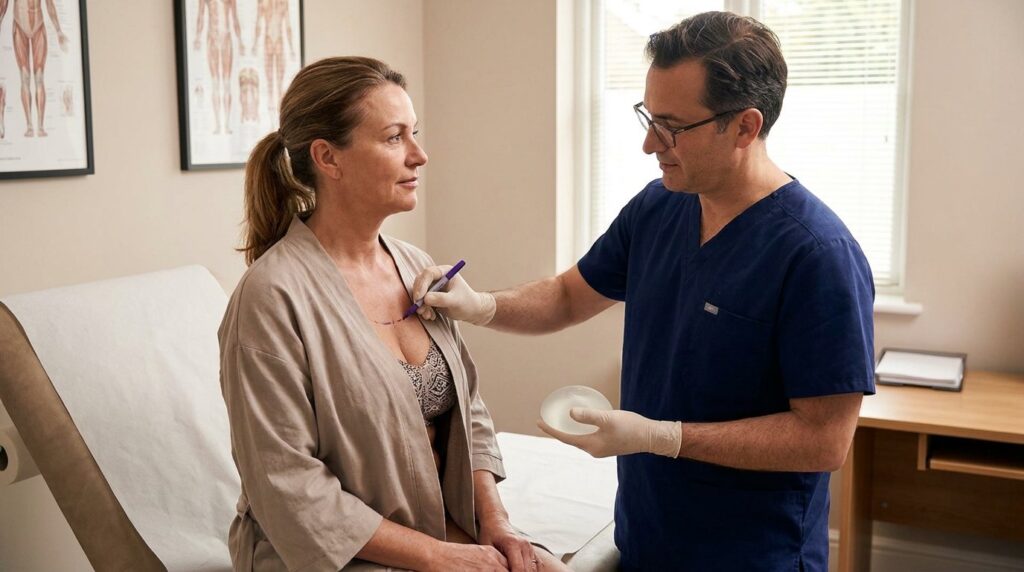
Have a question about Breast Implant Removal / Replacement?
In this article
- Is it possible to remove breast implants and not replace them?
- Who is usually a good candidate for removal without replacement?
- What will my breasts look like after implant removal only?
- Do the capsule and scar tissue always need to be removed too?
- What is recovery like if I remove implants and do not replace them?
- What affects the price and what should be included in a quote?
- How do I choose a safe surgeon and clinic for explant surgery abroad?
Many women ask, can I have breast implant removal without replacing the implants, and the short reality is that this is a real option discussed in modern breast revision surgery. The more important question is what your chest is likely to look and feel like afterwards, and whether removal alone matches your reasons, anatomy and recovery priorities.
Is it possible to remove breast implants and not replace them?
Yes. Breast implants can be removed without putting new implants in, and for some patients that is exactly the right choice. In breast surgery, this is usually called explant surgery, meaning implant removal. It may be done on its own, or combined with another procedure such as a breast lift to reshape loose skin.
People choose removal without replacement for different reasons. Some no longer want implants. Some have discomfort, firmness, rupture, asymmetry, rippling or a breast shape they no longer like. Others simply want a smaller, lighter, more natural breast. The NHS notes that cosmetic implants are not lifetime devices and may need further surgery over time, which is one reason some patients eventually choose removal rather than another replacement cycle.
What matters most is that removal alone is not the same as “going back” to your exact pre-implant breast. Skin stretches, breast tissue changes with age, weight change and pregnancy, and the implant pocket can leave a different shape behind. That is why the decision should be based less on the idea of reversal and more on what result is realistically achievable now.
According to ASPS patient guidance, implant removal is often part of a broader revision decision rather than a one-size-fits-all operation. In practical terms, your surgeon is assessing the implant itself, the scar capsule around it, your natural breast tissue, nipple position and skin quality before advising whether removal alone is enough or whether an added lift would likely give a better shape.
📋 Removal alone is a valid option You do not have to replace implants if your goal is to be implant-free. The key issue is whether your breast shape after removal will meet your expectations.
Who is usually a good candidate for removal without replacement?
Removal without replacement often suits women who are comfortable with having less upper-pole fullness, meaning less roundness in the top part of the breast. It can also suit patients whose breasts still have a fair amount of natural tissue, whose skin has good recoil, or who prefer a softer and more natural look even if that means a smaller final size.
It is also a reasonable option if you are tired of future implant maintenance. The NHS and BAAPS both stress the need for informed consent in cosmetic surgery, including a clear discussion of long-term trade-offs. For some women, that trade-off is simple: they would rather accept a flatter look than continue with more implant-based surgery later.
On the other hand, removal alone may be less satisfying if you started with very little natural breast tissue, have marked stretched skin, or want the chest to stay close to your current implant volume. In those situations, some women consider a lift, and some ask about fat transfer. A 2022 study in Aesthetic Plastic Surgery discussed one-stage lift plus fat grafting after implant removal as one reconstructive option, but that does not mean it suits everyone. Fat grafting has limits, and not every patient has enough donor fat or enough skin support for a single-stage plan.
The emotional side matters too. Some patients feel relief after explant surgery. Others are surprised by how different their silhouette looks in clothing. A good consultation should make room for both the physical and psychological part of the decision.

Patients who want to be implant-free, accept a smaller breast size and value lower long-term implant maintenance often feel comfortable with removal alone.
If skin is loose or nipples sit low, a breast lift may be advised to improve shape after the implants come out.
What will my breasts look like after implant removal only?
This is usually the hardest part of the decision, because the answer depends on your starting point. After removal only, breasts are commonly smaller, softer and less full at the top. They may also look flatter, wider or looser than expected, especially if the implants were large or had been in place for many years.
The nipple may sit lower than before, and the skin envelope may not shrink back fully. Some women are happy with this because the chest feels more natural and lighter. Others feel that the empty space is more obvious than they expected. Photos of “removal only” patients with similar implant size, body build and tissue quality are often more useful than polished before-and-after galleries from mixed revision cases.
A lift can help if the main issue is loose skin and nipple position. It does not recreate implant volume, but it can improve shape. Fat transfer may add modest fullness in selected cases, though it is not a direct replacement for the projection of an implant.
A careful surgeon should tell you plainly if removal alone is likely to leave visible sagging or contour irregularity. That honesty matters more than a reassuring sales tone. BAAPS guidance on cosmetic surgery decision-making emphasises the value of realistic expectations and enough time to consider your options before proceeding.
Do the capsule and scar tissue always need to be removed too?
Not always, and this is an area where precise language matters. Around any implant, the body forms a scar layer called a capsule. Sometimes that capsule is thin and quiet. Sometimes it becomes thick, tight or calcified, which can distort the breast or cause pain. ASPS and many specialist breast surgeons treat capsule surgery as a case-by-case decision, not an automatic step that is identical for every patient.
If the implant is ruptured, very firm, infected, associated with severe capsular contracture, or if there is a reason to investigate fluid or abnormal tissue, removing part or all of the capsule may be appropriate. In other cases, a surgeon may recommend leaving some capsule tissue in place if taking it out would add unnecessary risk. Complete capsule removal can involve more dissection, more bleeding risk and a longer recovery, especially when the implant sits under the chest muscle.
This is also where online terms can become confusing. Patients often hear phrases like “en bloc” removal. Strictly speaking, that means removing the implant and surrounding capsule together in one sealed piece. That technique has a specific role, but it is not the routine requirement for every explant patient. If there is concern about breast implant-associated anaplastic large cell lymphoma, or BIA-ALCL, the evaluation and surgical plan should follow established oncologic principles rather than social-media language.
Textured implants have been linked to BIA-ALCL. A 2024 study in Plastic and Reconstructive Surgery reviewed surgical management of textured implants and patient-reported outcomes, but it should not be used to make sweeping rules for every patient. When BIA-ALCL is suspected, assessment usually involves symptoms, imaging and fluid or tissue testing. The 2018 Aesthetic Plastic Surgery paper on BIA-ALCL also supports early recognition and proper treatment planning. If you have late swelling, a new fluid collection, a lump, or a sudden shape change, that needs medical review rather than a routine cosmetic booking.
A 2021 study in Contemporary Oncology on the microbiology of breast tissue expanders also highlighted the importance of biofilm and occult bacterial behaviour in implant-based surgery. It does not mean every implant problem is infection, but it does explain why some revision decisions become more complex than simply taking an implant out.
This article is for informational purposes only and does not constitute medical advice. Always consult a qualified surgeon for personalised guidance.
⚠️ Capsule removal is not one rule for everyone A full capsulectomy may be appropriate in some cases, but it also adds surgical dissection and risk. The right plan depends on symptoms, implant type, imaging and examination findings.
🚨 Possible BIA-ALCL symptoms need assessment Late swelling, a new seroma, a lump, pain or a sudden change around a textured implant should be evaluated promptly by an experienced surgeon. This is not something to self-diagnose online.
What is recovery like if I remove implants and do not replace them?
Recovery is often easier than a full implant replacement operation, but it is still surgery. Most patients can walk around the same day and manage the first stage of healing with rest, light activity and pain relief. Tightness, soreness, swelling and temporary shape distortion are common early on.
If removal is simple and does not involve major capsule work, recovery may feel more straightforward. If you also have a lift or extensive capsulectomy, expect a longer healing period and more restrictions. You may need drains in some cases, especially when a larger pocket or capsule has been treated.

Flying after surgery needs a personalised answer rather than a blanket promise. For a straightforward explant without complications, some surgeons allow short-haul travel after the immediate early recovery period once you are mobile, reviewed and medically stable. Long-haul flying usually needs more caution because of swelling, comfort, follow-up access and clot risk. If you are travelling for surgery, the safer plan is to stay until your first postoperative checks are complete and your surgeon is satisfied with wound healing and drain removal if drains were used.
A realistic recovery pattern often looks like this:
- ✓Ask how long you should stay locally before flying home.
- ✓Confirm whether drains are likely and when they are removed.
- ✓Check who reviews you if swelling or fluid develops after you return home.
- ✓Get clear written advice on bras, showering, exercise and scar care.
What affects the price and what should be included in a quote?
The price of implant removal without replacement varies widely because the operation itself can be simple or quite complex. The biggest cost drivers are usually whether capsule surgery is needed, whether a breast lift is added, whether drains are expected, the operating hospital, the surgeon’s experience and the follow-up plan.
A personalised quote should make clear what is actually included. That normally means surgeon fees, anaesthesia, hospital or theatre fees, standard postoperative checks and any garments or medicines that are part of the package. If you are travelling, it is also sensible to ask separately about transfers, hotel stay, translation support and what happens if you need extra nights because drains stay in longer than expected.
For patients comparing countries, the important issue is not just the headline fee. It is the whole care pathway. A lower quote can become less attractive if capsule management, pathology testing when needed, follow-up visits or revision policies are vague. If you are exploring a breast implant revision procedure, ask for the plan in writing rather than relying on short message-based estimates.
How do I choose a safe surgeon and clinic for explant surgery abroad?
Start with credentials and experience, not marketing style. For a breast explant, you want a surgeon trained in plastic surgery who performs breast revision work regularly, not only straightforward enlargement surgery. In Europe, board recognition and professional standards matter; EBOPRAS is one recognised benchmark for specialist examination in plastic surgery, while BAAPS is a visible professional body in the UK. Membership alone is not a guarantee of outcome, but it helps you build a safer shortlist.
Ask specific questions. How often does the surgeon perform implant removal without replacement? When do they recommend leaving capsule tissue versus removing it? How do they investigate suspected rupture, seroma or textured-implant concerns? If pathology is needed, where is it sent? These are stronger safety questions than asking for the “best technique.”
The clinic should also be transparent about aftercare. If you are travelling to Turkey, ask how long you are expected to stay, who examines you before departure and what support is available once you return home. If you need a starting point for practical arrangements, a formal consultation request is more useful than trying to make the decision from social media messages alone.
Good signs usually include a detailed preoperative assessment, honest discussion of likely breast shape after removal, clear consent documents and no pressure to book quickly. Poor signs include guaranteed outcomes, vague answers about capsule management, or a sales-led push toward replacement implants when your stated goal is to be implant-free.
The surgeon explains what your breast tissue, skin and nipple position are likely to look like after removal only, even if that answer is not ideal.
You are told everyone needs the same capsule surgery, or that flying home quickly is always fine, without reference to your operation details.
Frequently Asked Questions
References
- 📎Trends in Surgical and Nonsurgical Aesthetic Procedures: A 14-Year Analysis of the International Society of Aesthetic Plastic Surgery-ISAPS — Aesthetic Plastic Surgery, 2024
- 📎Microbiology of breast tissue expanders — Contemporary Oncology (Pozn), 2021
- 📎Surgical Management of Textured Breast Implants: Assessing Risk and Analyzing Patient-Reported Outcomes — Plastic and Reconstructive Surgery, 2024
- 📎One-Stage Mastopexy-Lipofilling after Implant Removal in Cosmetic Breast Surgery — Aesthetic Plastic Surgery, 2022
- 📎Breast Implant-Associated Anaplastic Large Cell Lymphoma: Immediate or Delayed Implant Replacement? — Aesthetic Plastic Surgery, 2018
- 📎ASPS Cosmetic Procedures
- 📎NHS Cosmetic Procedures
- 📎BAAPS
- 📎EBOPRAS
Related Articles



You Might Also Like



Related articles



Our specialists
 Clineca SpecialistErkan PinegözPlastic & Reconstructive Surgery
 Clineca SpecialistHakan AktaşPlastic & Reconstructive Surgery
 Clineca SpecialistOrkun UzuneyüpoğluPlastic & Reconstructive Surgery
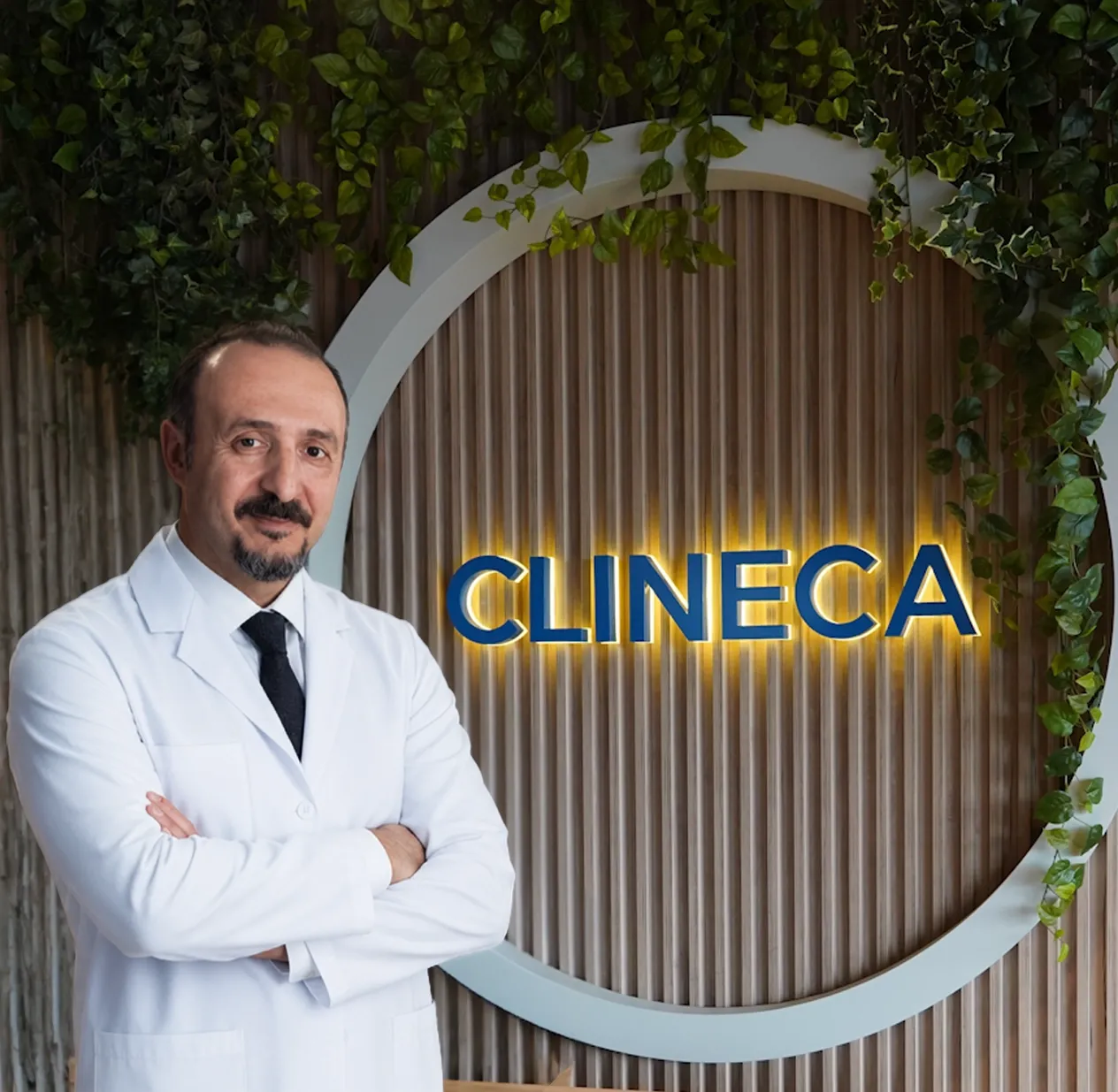 Clineca SpecialistSalim İskenderPlastic & Reconstructive Surgery
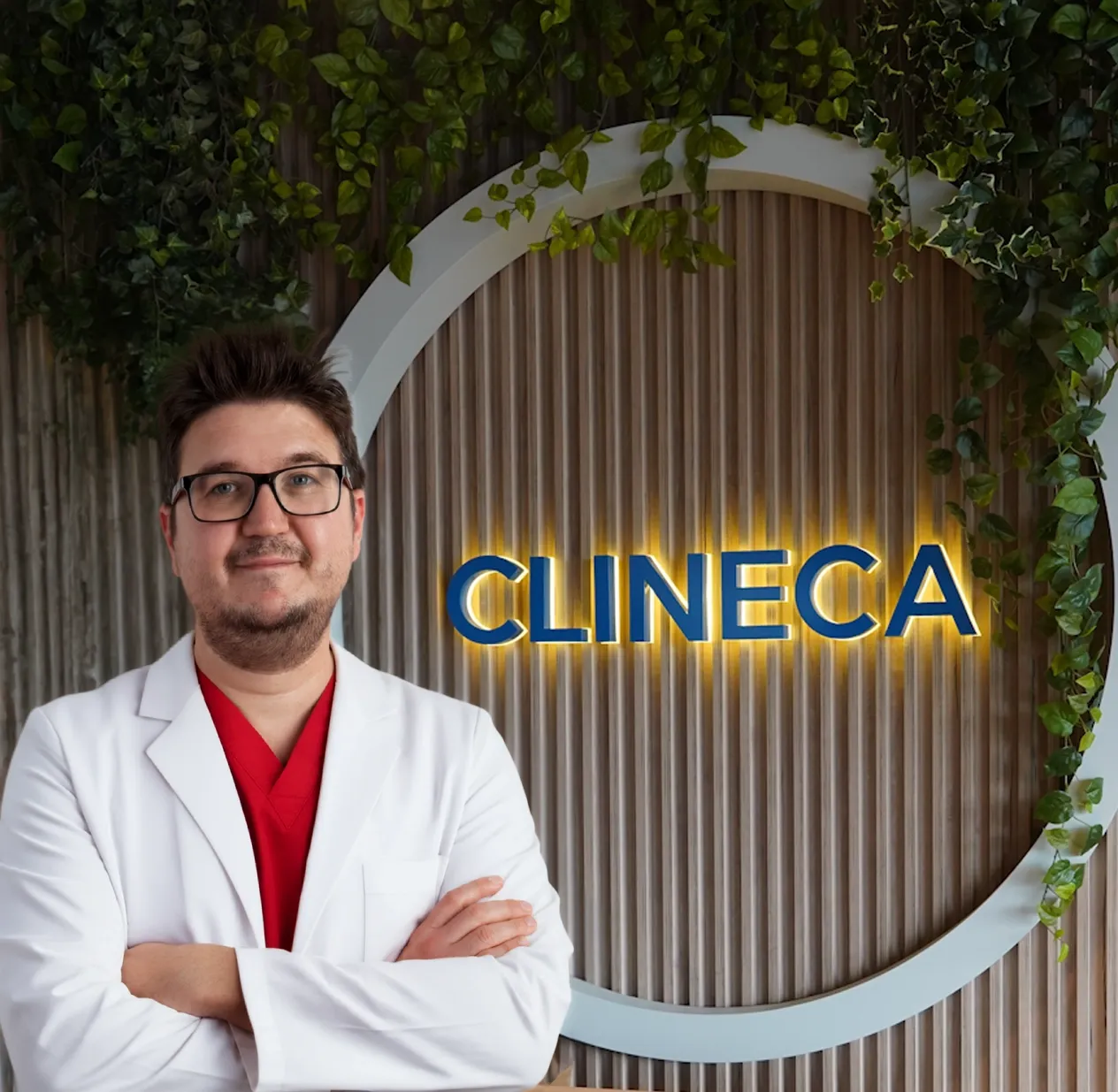 Clineca SpecialistEngin SelamioğluPlastic & Reconstructive Surgery
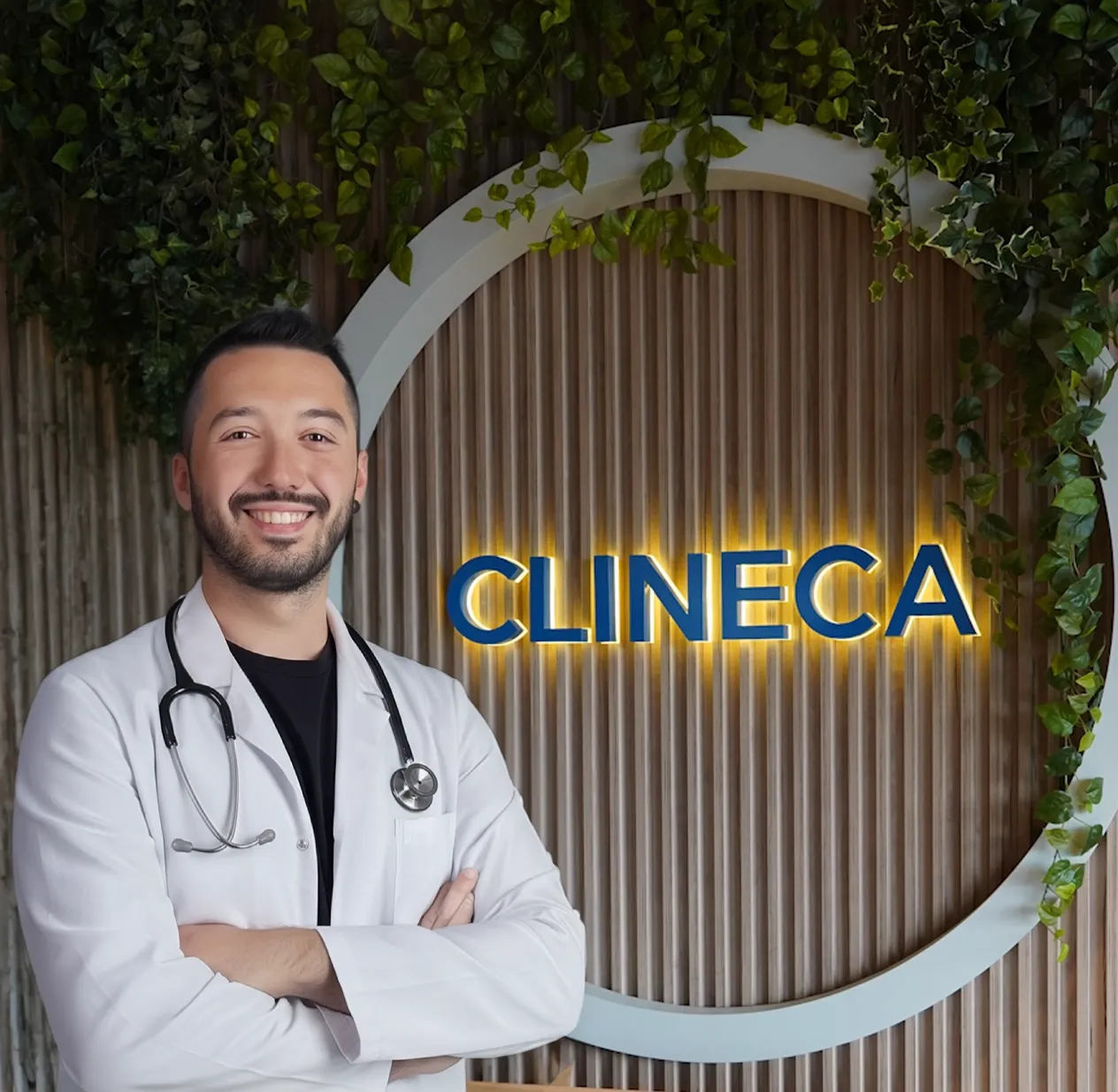 Clineca SpecialistCem AydınPlastic & Reconstructive Surgery
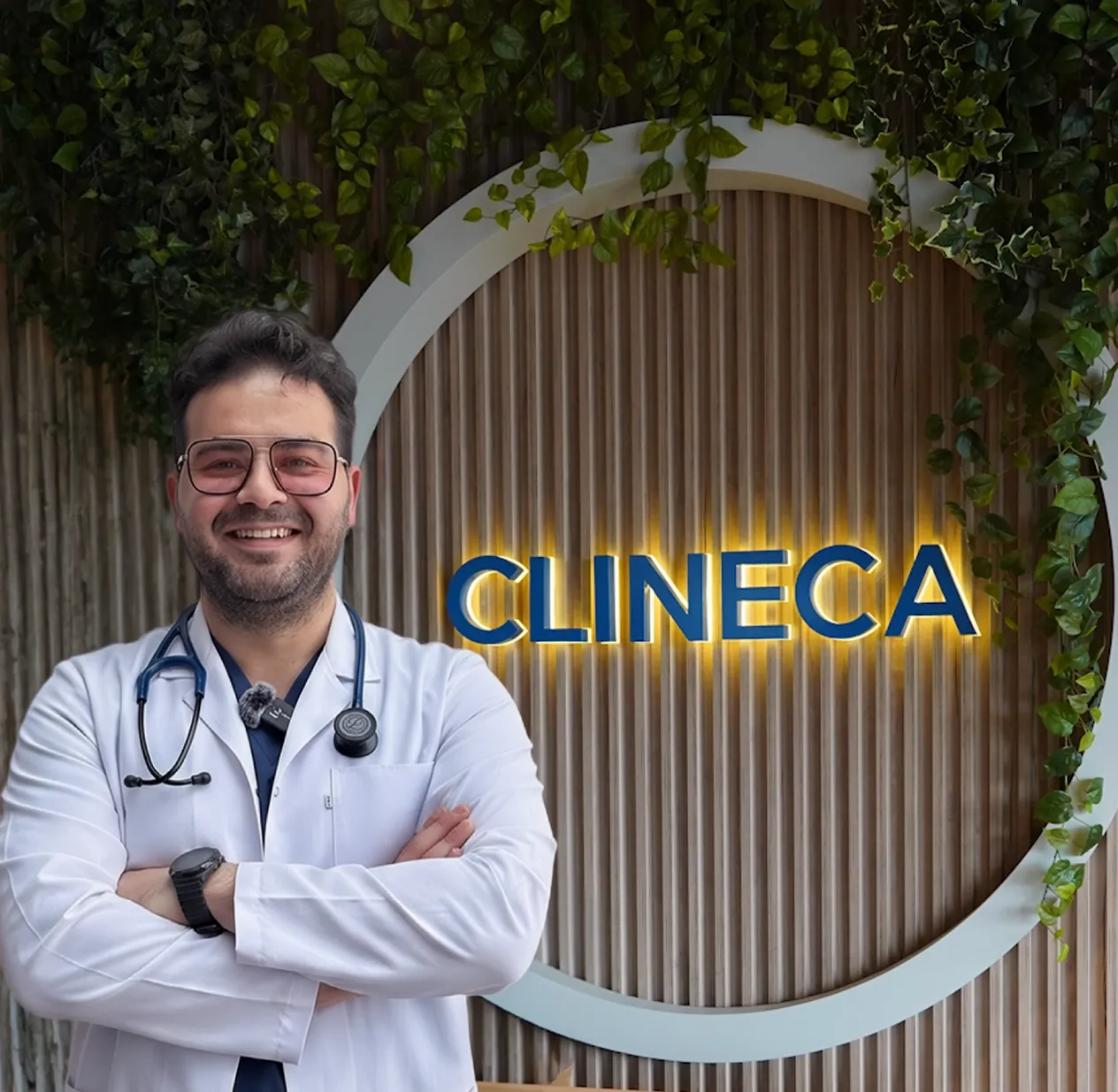 Clineca SpecialistAlperen ÖnalEar, Nose & Throat (ENT)