

Have a question about Breast Implant Removal / Replacement?
In this article
- What usually leads to breast implant replacement or full removal?
- What signs suggest replacement may be enough?
- When is full breast implant removal more likely to be the better option?
- How do surgeons decide between replacement and removal?
- What does recovery look like for removal versus replacement?
- How much does implant replacement or removal cost, and what changes the quote?
- How can you choose a safe clinic and surgeon in Turkey?
Many women reach a point where they ask, how do i know if i need breast implant replacement or full removal. Sometimes the reason is clear, such as a change in shape or firmness. In other cases, the decision is less obvious and depends on your symptoms, scan findings, lifestyle, and what you want your chest to look and feel like now.
What usually leads to breast implant replacement or full removal?
The first thing to know is that implants are not considered lifetime devices. That does not mean they must be changed on a fixed schedule, but it does mean problems can develop over time and your goals may also change. The American Society of Plastic Surgeons (ASPS) explains that breast implants may need revision, replacement, or removal because of rupture, capsular contracture, shifting position, rippling, pain, or a change in cosmetic preference.
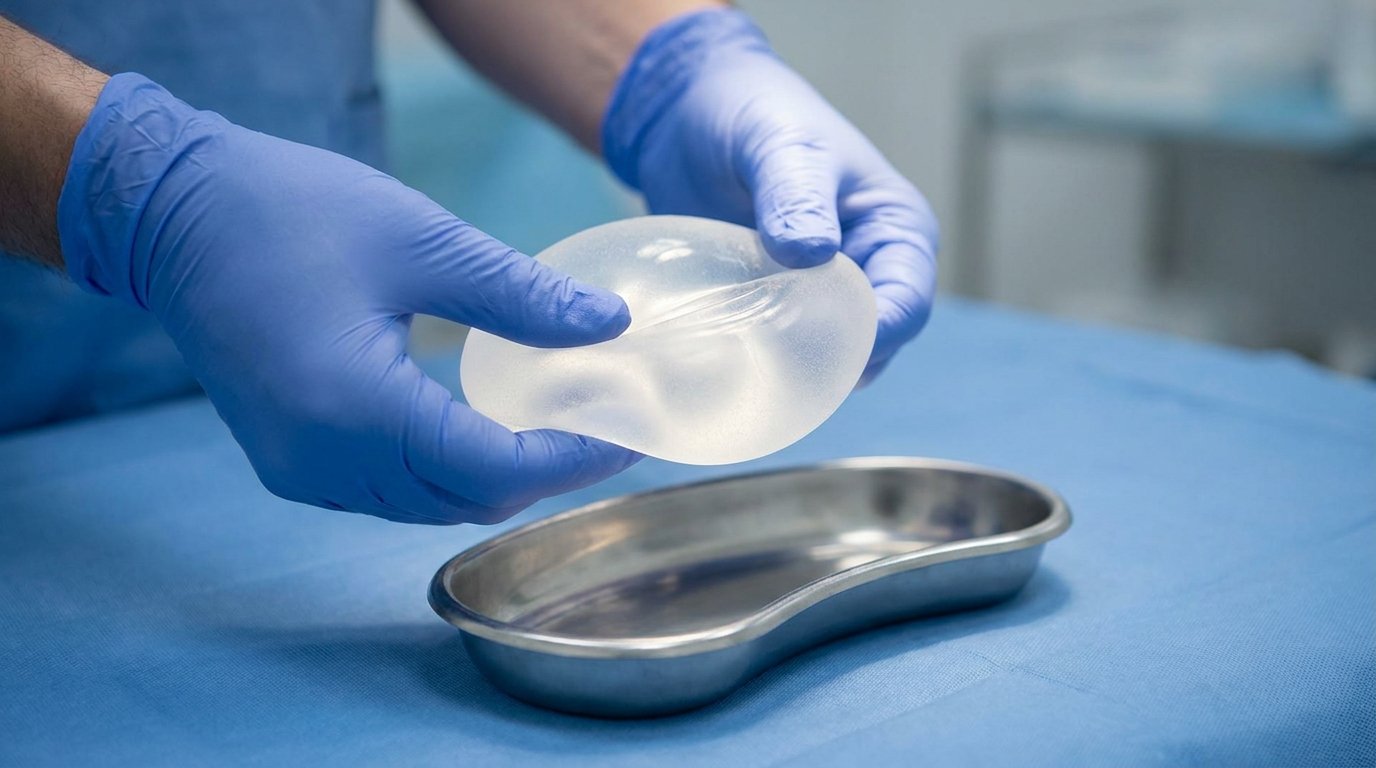
In real practice, the reasons usually fall into two groups. The first is a medical or device issue: a ruptured implant, a hard scar capsule, persistent pain, visible distortion, or concerns raised on imaging. The second is a personal decision: you no longer want implants, your body has changed after pregnancy or weight loss, or the size and shape no longer suit you.
Replacement is more common when you still want breast volume but the implant itself or the surrounding pocket needs correction. Full removal is more common when you want to stop having implants, when repeated implant problems have become tiring, or when the breast tissue and skin can give an acceptable shape with removal alone or with a breast lift. If you are comparing pathways, a page on breast implant revision can help you understand how surgeons approach these decisions.
📋 Important context Implants do not have an automatic expiry date, but they should not be thought of as permanent maintenance-free devices.
What signs suggest replacement may be enough?
Replacement is often considered when the main problem is the implant or implant pocket, but you still want to keep a fuller breast shape. A common example is a rupture where you would like a new implant placed at the same operation. Another is capsular contracture, which means the scar tissue around the implant has tightened and made the breast feel firm, sit higher, or look misshapen.
You might also lean toward replacement if the implants have shifted, if the size no longer feels right, or if the breast has changed with age and you want the surgeon to reshape the pocket and update the implant choice. Some patients move to a smaller implant rather than removing implants altogether. Others combine replacement with a breast lift because the skin has loosened and the nipple position has dropped.
Typical situations where replacement is often discussed include:
- ✓A confirmed or suspected implant rupture when you still want implants
- ✓Hardening or distortion from capsular contracture
- ✓Implant movement, asymmetry, rippling, or visible edges
- ✓A wish to change implant size, profile, or material while keeping breast volume
That said, replacement is not always the best answer. If your breast tissue has become very thin, if you have had several revision operations already, or if your priority is simply to be implant-free, full removal may be the better long-term fit.
You still want breast volume, your tissue can support another implant, and the main issue is with the current implant or its pocket.
If the implant is removed or downsized, extra skin and nipple position may need correction to improve shape.
When is full breast implant removal more likely to be the better option?
Full removal becomes more likely when your main goal is no longer to keep implants. That can happen after years of maintenance, after repeated contracture or rupture, or because the implants simply do not feel right for you anymore. Some women also prefer removal when breast pain, firmness, or anxiety about future revisions has become a bigger issue than the benefit of extra volume.
There are also surgical situations where removal makes more sense than replacement. If the tissue envelope is thin, the scar capsule is problematic, or the breast has changed enough that another implant would still not give a stable result, a surgeon may advise removal with or without a lift. In selected cases, removal alone can look reasonable. In others, the breast may look deflated or sit lower afterward, so a lift or staged reshaping may be discussed.
The NHS notes that cosmetic breast implants can lead to complications that sometimes require removal or replacement, including hardening of the capsule, rupture, folds, and changes in appearance. The practical question is not only “can the implant be replaced?” but also “will that option actually match your current priorities?”
Full removal may be more suitable if:
- ✓You want to be implant-free long term
- ✓You have had repeated implant-related problems
- ✓The breast tissue is too thin or stretched for a good replacement result
- ✓You are prepared for less upper-pole fullness unless a lift or another reshaping procedure is added
For women who want a flatter, lighter, more natural chest feel, removal can be the more satisfying choice even when replacement is technically possible.
⚠️ Shape after removal matters Removing implants does not automatically restore the pre-implant breast shape. Loose skin, lower nipples, and reduced fullness are common discussion points before surgery.
How do surgeons decide between replacement and removal?
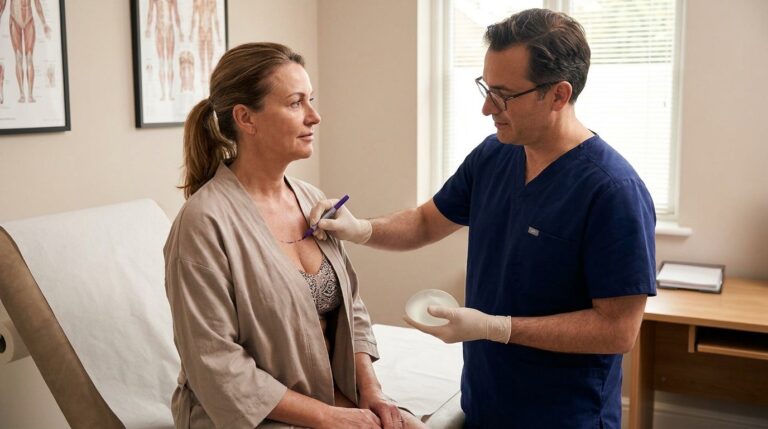
A good consultation is less about selling a procedure and more about matching the operation to the reason you are there. The surgeon will ask when your implants were placed, what type they are, whether you have had previous revisions, and what has changed recently. They will also examine the breast skin, implant position, scar capsule, symmetry, and the amount of natural tissue you have now.
Imaging can be part of the decision. With silicone implants, rupture is not always obvious from the outside. ASPS explains that silicone rupture can be “silent,” meaning you may not notice symptoms, which is why imaging may be recommended when rupture is suspected or for surveillance. In other words, a breast that looks almost normal can still contain a damaged implant.
The decision usually comes down to four practical questions:
- ✓Is there a device problem, a tissue problem, or both?
- ✓Do you still want implant volume afterward?
- ✓Can your current breast tissue support a good replacement result?
- ✓Would a lift or further reshaping be needed whichever path you choose?
If you are travelling for surgery, it helps to send clear front and side photos, old implant records if you have them, and any ultrasound or MRI reports before you travel. That allows the team to discuss likely options, while still being honest that the final plan is sometimes confirmed only after examination in person. If you are preparing that first step, the clinic’s consultation page is the right place to start.
- ✓Bring any implant card, operative notes, or old clinic letters if you still have them.
- ✓Share recent scans rather than relying on memory about implant type or size.
- ✓Ask what happens if the surgical findings differ from the pre-op plan.
What does recovery look like for removal versus replacement?
Recovery depends on what is actually done, not just the label on the procedure. A simple implant exchange may feel quite different from removal with capsulectomy, which means removing some or all of the scar capsule, or from removal combined with a breast lift. In general, patients usually cope better when they plan for tightness, swelling, limited lifting, and a few weeks of reduced activity rather than expecting to bounce back in a few days.
Replacement can involve pressure and swelling similar to your earlier augmentation, especially if the pocket is revised. Full removal may feel lighter but not necessarily easier, particularly if there is extensive scar work or a lift. Travel patients should plan enough time for early checks, dressing changes if needed, and at least one review before flying home.

The rough pattern below is a practical guide, not a promise:
📋 Realistic recovery point Feeling presentable and being fully healed are not the same thing. Breast shape often continues to change for weeks to months after surgery.
How much does implant replacement or removal cost, and what changes the quote?
Cost is best thought of as a package question, not just a surgery fee. The quote usually changes according to whether you need replacement or full removal, whether scar capsule surgery is involved, and whether a breast lift is added. Implant brand, hospital setting, anaesthesia, garments, imaging, medications, and aftercare can all affect the final figure.
For international patients, it is also worth checking what is and is not included outside the operating room. Some quotes include transfers, hotel arrangements, and follow-up visits. Others separate those items. A personalised price is normally confirmed after consultation because the plan can differ a lot between a simple exchange and a more complex removal with reshaping.
How can you choose a safe clinic and surgeon in Turkey?
This decision matters just as much as the operation itself. Look for a surgeon who regularly performs breast revision surgery, not only first-time augmentation. Revision cases are less predictable. They often involve old scar tissue, stretched pockets, hidden rupture, or a breast shape that needs more than a simple implant swap.
Ask who will perform the operation, where it will take place, and what support you will have after surgery. BAAPS and EBOPRAS are useful names to know because they relate to standards in plastic surgery training and specialist practice, but credentials alone are not enough. You also want clear communication, honest discussion of limits, and a plan for what happens if the surgeon finds something different during the procedure.
Good signs include detailed pre-op assessment, proper imaging when indicated, a written treatment plan, and realistic talk about scars, shape after removal, and the chance that a lift may be needed. Bad signs include pressure to book quickly, vague answers about who operates, or promises that recovery will be easy and the result guaranteed.
If you want to review the team background before you enquire, you can look at the clinic’s surgeons and doctors and the broader about the clinic page.
This article is for informational purposes only and does not constitute medical advice. Always consult a qualified surgeon for personalised guidance.
The surgeon explains more than one option and tells you what each choice may not achieve.
You are given a fixed promise on shape or recovery before anyone has examined your tissue quality and implant history.
Frequently Asked Questions
References
- 📎Breast Implant Removal and Replacement Overview — ASPS
- 📎Cosmetic Procedures: Breast Implants — NHS
- 📎BAAPS Homepage — British Association of Aesthetic Plastic Surgeons
- 📎EBOPRAS — European Board of Plastic Reconstructive and Aesthetic Surgery
Related Articles



You Might Also Like



Related articles


Our specialists
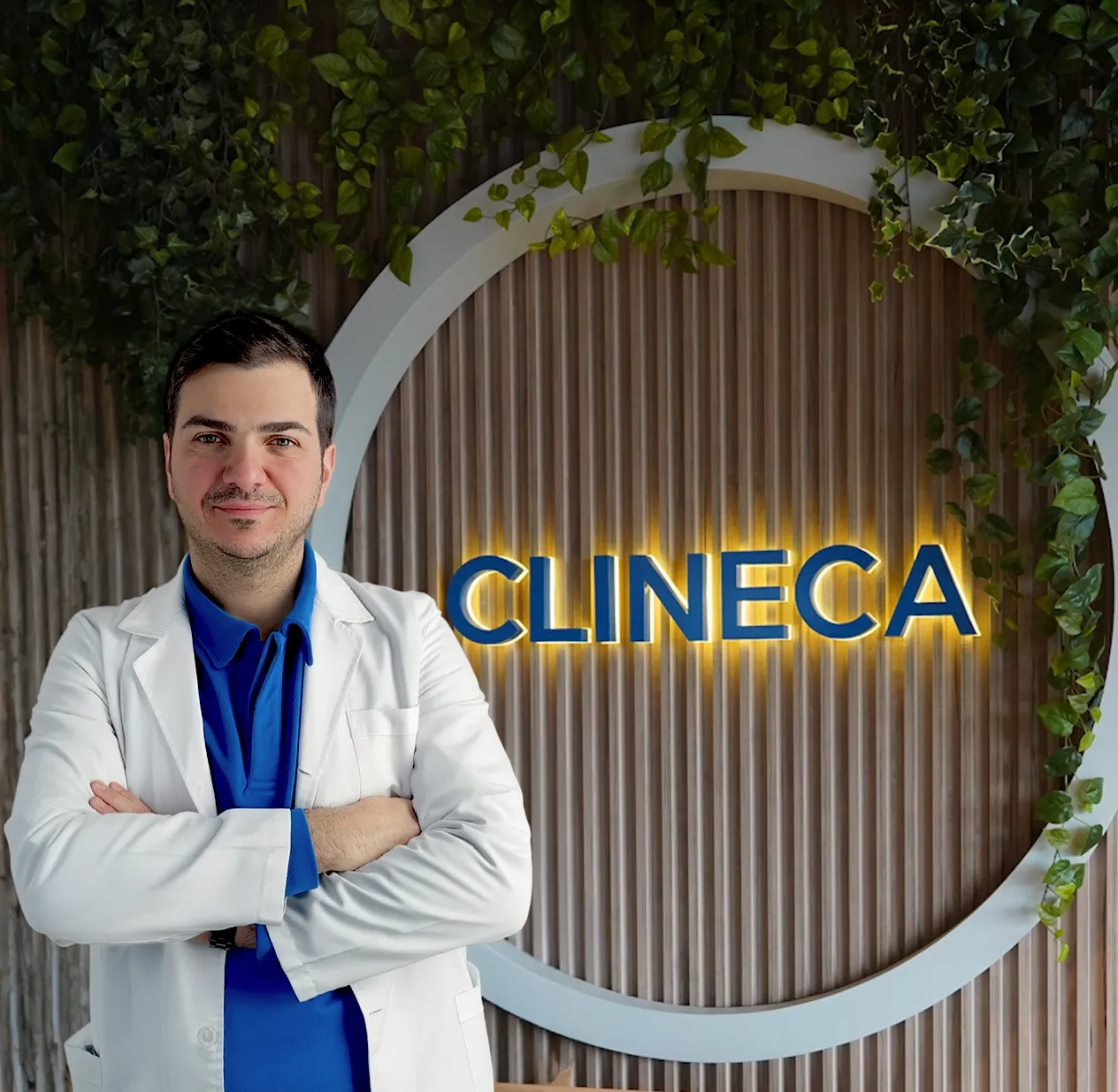
 Clineca SpecialistErkan PinegözPlastic & Reconstructive Surgery
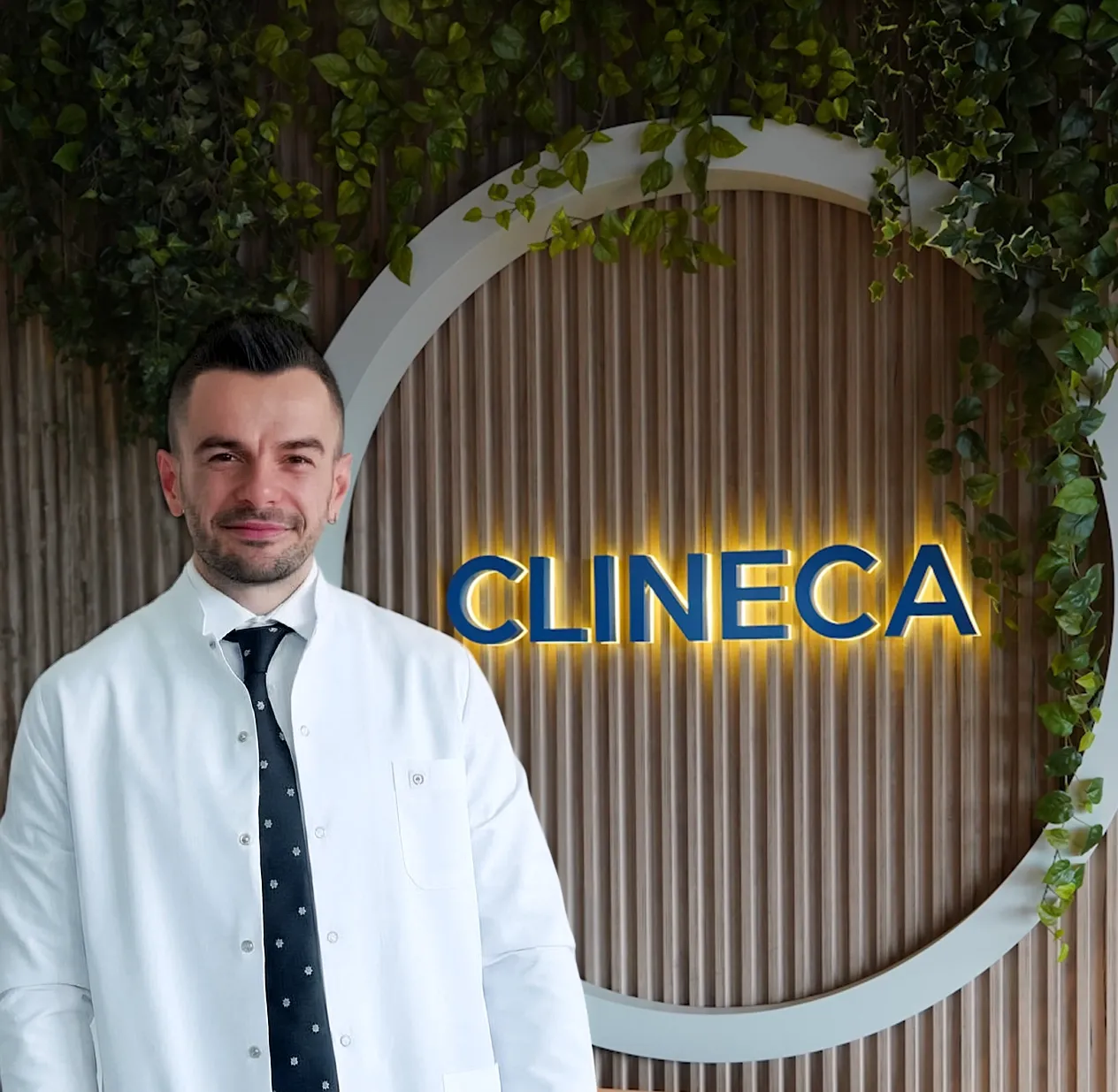
 Clineca SpecialistHakan AktaşPlastic & Reconstructive Surgery
 Clineca SpecialistOrkun UzuneyüpoğluPlastic & Reconstructive Surgery
 Clineca SpecialistSalim İskenderPlastic & Reconstructive Surgery
 Clineca SpecialistEngin SelamioğluPlastic & Reconstructive Surgery
 Clineca SpecialistCem AydınPlastic & Reconstructive Surgery
 Clineca SpecialistAlperen ÖnalEar, Nose & Throat (ENT)