
Have a question about Turbinate Reduction?
In this article
- What does recovery usually feel like after turbinate reduction?
- What is the recovery timeline from day one to the first month?
- What symptoms are normal, and what should make you call your surgeon?
- How do you care for your nose while it heals?
- When can you work, exercise, and fly after turbinate reduction?
- Does technique change the recovery experience?
- What should you know about safety, follow-up, and planning treatment abroad?
If you are wondering what should I expect during recovery after turbinate reduction, the honest answer is that most people feel blocked before they feel better. Healing is usually straightforward, but the first days can be uncomfortable, and the timeline depends on how the turbinates were reduced and whether other nasal surgery was done at the same time.
What does recovery usually feel like after turbinate reduction?
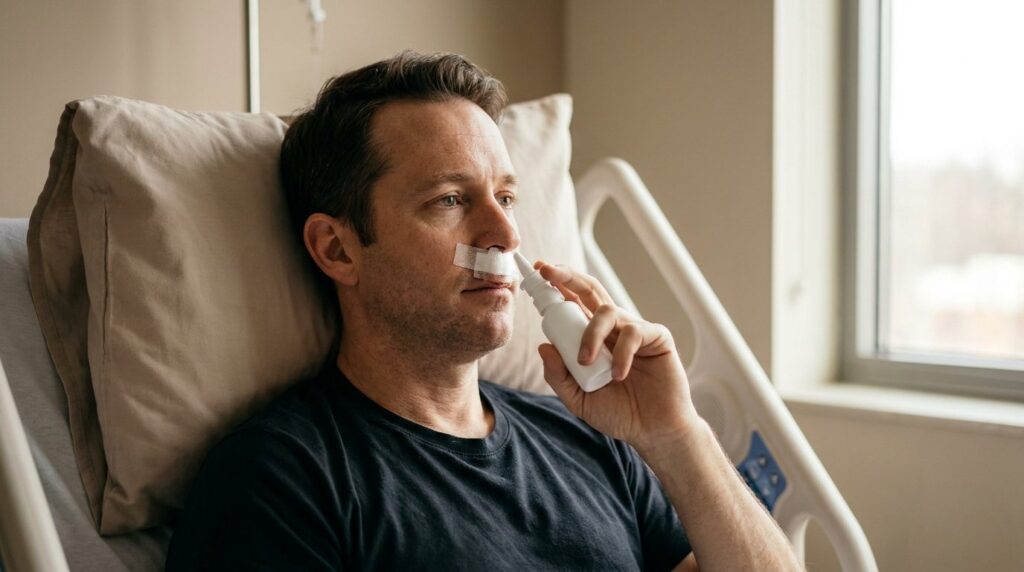
Turbinate reduction is done to make more space inside the nose by shrinking the turbinates, which are soft tissue structures that help warm and filter the air you breathe. Recovery is often less dramatic than people expect, but it is not instant. In the first few days, many patients feel more congested than they did before surgery because of swelling, dried blood, crusting, and sometimes internal splints or packing.
A feeling of pressure is common. Mild bleeding or blood-stained mucus can happen early on, especially in the first day or two. Your nose may feel tender, dry, or sore rather than sharply painful. If your surgeon used radiofrequency, coblation, or another tissue-shrinking method, recovery may be somewhat quicker than with more extensive tissue removal, but there is still a healing period.
Breathing often improves gradually, not overnight. Many people notice that airflow comes and goes at first. One side may feel clearer than the other, then swap the next day. That pattern is usually part of normal healing.
According to NHS postoperative nasal surgery advice and ENT patient leaflets from major UK hospitals, crusting, blockage, and light spotting can continue for days to a few weeks, while the inside lining of the nose settles more slowly. If your turbinate reduction was combined with septoplasty or another nasal procedure, expect a longer and less predictable recovery than with turbinate surgery alone.
📋 A common surprise It is normal to feel stuffy at first. Early congestion does not mean the procedure failed.
What is the recovery timeline from day one to the first month?
The first day is mostly about rest, light oozing, and nasal blockage. You may need to breathe through your mouth more than usual, especially while sleeping. It is sensible to keep your head raised and avoid bending, straining, or forceful nose blowing.

During the first week, swelling and crusting are usually at their most noticeable. Some patients return to desk-based work within a few days if they feel comfortable, but others prefer closer to a week, especially if sleep has been poor or if they had another procedure at the same time. If there is packing, splints, or a planned cleaning visit, that can affect how you feel and when breathing begins to improve.
By the second week, many people start to feel less pressure and less discharge. The nose may still feel dry or blocked, but the pattern is often improving. It is also common to have more crusting as the lining heals. Saline rinses or sprays are often a big part of this stage because they help soften dried mucus and old blood.
Over weeks three and four, day-to-day comfort is usually better, but the inside of the nose may still be healing. For some people, this is when the main benefit becomes clearer. For others, especially after septoplasty plus turbinate reduction, improvement continues beyond the first month.
⚠️ Timing varies Recovery is often longer if turbinate reduction was combined with septoplasty, sinus surgery, or rhinoplasty.
What symptoms are normal, and what should make you call your surgeon?
Normal symptoms include a blocked nose, mild soreness, dried blood, pink mucus, crusting, and an uneven feeling of airflow. A reduced sense of smell can also happen for a while because swelling and crusts interfere with airflow to the smell area. Mild headaches, pressure around the nose, and throat dryness from mouth breathing are also common.
What matters is the pattern. Normal recovery tends to move slowly in the right direction, even if there are good and bad days. Bleeding should lighten rather than build. Pressure should ease rather than become severe. Blockage may persist for a while, but it should not be paired with worsening illness.
You should contact your surgical team promptly if you have heavy bleeding that does not settle, a fever, increasing rather than decreasing pain, a bad smell with thick discoloured discharge, new facial swelling, or you feel faint or unwell. NHS advice on nose surgery recovery also treats breathing trouble, repeated vomiting, chest symptoms, or bleeding that soaks dressings as reasons to seek urgent medical help.
If you had surgery abroad, make sure you leave with written aftercare instructions and a direct contact route for urgent concerns after discharge and after flying home.
- ✓Call urgently for heavy fresh bleeding that keeps running or repeatedly fills the front of the nose.
- ✓Call if pain becomes stronger after initially improving, especially with fever or pus-like discharge.
- ✓Get urgent help for shortness of breath, collapse, chest pain, or severe weakness.
- ✓Ask for review if the nose remains completely blocked on both sides beyond the expected early recovery period, especially if symptoms are worsening rather than steady.
How do you care for your nose while it heals?
Aftercare makes a real difference. Most patients are advised to use saline spray or saline irrigation, but the exact timing depends on the technique used and whether there was packing or splints. Follow your own surgeon’s plan first. In general, the goal is to keep the inside of the nose moist, reduce crusting, and avoid trauma.
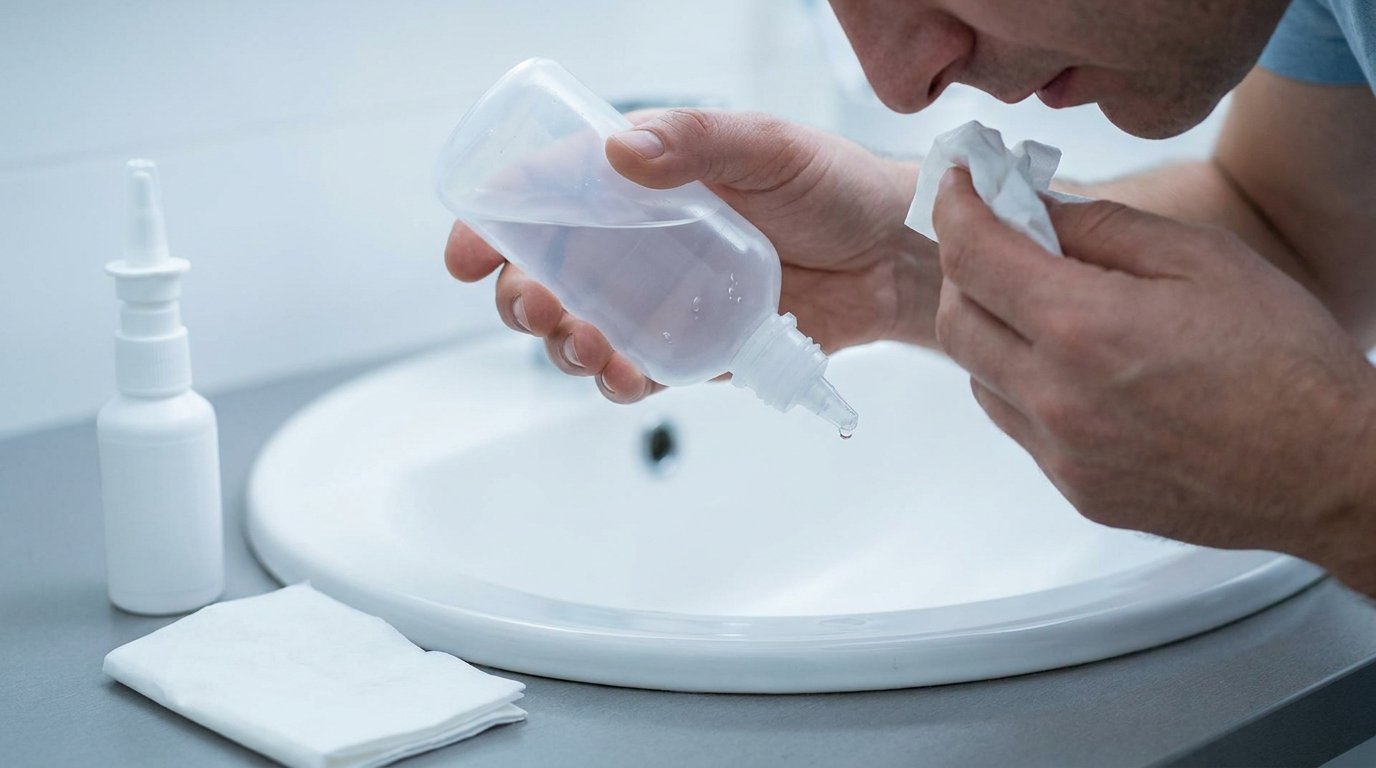
Do not blow your nose forcefully until you have been told it is safe. If you need to sneeze, keeping your mouth open can reduce pressure inside the nose. Sleep with your head elevated for the first few nights if possible. Try to avoid smoky rooms, dusty spaces, and anything that dries or irritates the nasal lining.
Pain is often manageable with the medicines your surgeon recommends. Avoid taking anything you were told not to use because some products can increase bleeding risk. It also helps to drink enough fluids, eat normally, and avoid hard exercise too early.
Major ENT centres commonly advise patients to expect one or more follow-up checks, sometimes including gentle cleaning of crusts inside the nose. That visit can make breathing feel better, but the nose may still need more time to settle fully.
Regular saline care, done exactly as advised, often makes the blocked phase easier to manage.
Picking crusts or blowing hard can restart bleeding and irritate healing tissue.
When can you work, exercise, and fly after turbinate reduction?
Return to normal life is usually guided by bleeding risk, swelling, and comfort rather than by a single fixed date. For desk work, some people feel ready within a few days, while others need around a week. Jobs that involve lifting, heat, dust, bending, or long hours on your feet often need a more cautious return.
Exercise should usually restart in stages. Gentle walking is often fine early on, but hard cardio, weight training, swimming, and contact sports normally need to wait until your surgeon says the bleeding risk and swelling have settled. If you push too soon, the nose may start bleeding again or feel more congested.
Flying is a practical issue for medical tourists. A short flight may be possible once your surgeon is satisfied that bleeding is controlled and there is no need for early in-person review, but this timing varies. If you have packing, splints, combined surgery, or a history of postoperative bleeding, staying longer is often safer. Before you travel, you should know who to contact, what symptoms matter, and when your next review should happen.
If your turbinate reduction was performed together with nasal reshaping, recovery rules may follow the more restrictive procedure. In that situation, guidance related to rhinoplasty surgery may also affect when you can travel and return to full activity.
⚠️ For international patients Do not book your return flight based only on the operation date. Book around the planned follow-up and the risk of bleeding in the first days.
Does technique change the recovery experience?
Yes. Turbinate reduction is not one single operation. Some surgeons reduce turbinate size with radiofrequency or coblation, which shrink tissue from within. Others trim or remove part of the turbinate, sometimes under direct vision and sometimes alongside septoplasty or sinus surgery. The healing pattern can differ.
Less invasive methods may cause less pain and a quicker early recovery, but they can still produce swelling and temporary blockage. More extensive reduction may mean more crusting and a longer settling period. If bone was addressed as well as soft tissue, internal dryness and sensitivity can be more noticeable.
This is one reason online comparisons are confusing. Two patients can both say they had turbinate reduction and have very different recoveries. The most useful question is not only what the procedure was called, but exactly how it was done and whether anything else was performed during the same anaesthetic.
Peer-reviewed ENT and rhinology literature indexed in PubMed also reflects this variation: outcomes and aftercare differ by technique, by the amount of tissue treated, and by whether surgery was isolated or combined with other nasal operations.
What should you know about safety, follow-up, and planning treatment abroad?
For a procedure like turbinate reduction, the key professional is an ENT surgeon or a surgeon with clear nasal airway surgery expertise. That matters more than broad cosmetic branding. You want a team that can explain the exact technique, expected aftercare, and how they handle bleeding, infection, and follow-up if you are travelling.
Ask practical questions before you book: whether packing or splints are likely, when the first review happens, what cleaning care is needed, how long you should remain locally, and what signs mean you should be seen urgently. It is also reasonable to ask for written instructions in English.
A personalised quote is usually based on the surgical technique, whether another nasal procedure is added, the hospital setting, anaesthesia, medicines, and follow-up care. For recovery-focused planning, what matters most is not the headline price but what support is included if healing is slower than expected.
If you are arranging treatment from abroad, use the clinic’s official consultation page only if you need to clarify recovery logistics, aftercare, and how long to stay before flying home. Keep the questions specific to nasal surgery so you get clear answers rather than generic cosmetic-surgery information.
You are given a clear recovery plan, a follow-up schedule, and a direct way to reach the treating team for postoperative concerns.
You are told recovery is the same for everyone, or that you can fly home immediately without discussing bleeding risk and follow-up.
Frequently Asked Questions
References
- 📎NHS: Cosmetic procedures and surgery overview, including nose surgery aftercare context
- 📎PubMed search: turbinate reduction postoperative care recovery
- 📎PubMed search: inferior turbinate surgery recovery outcomes rhinology
Related Articles



You Might Also Like


Related articles



Our specialists
 Clineca SpecialistErkan PinegözPlastic & Reconstructive Surgery
 Clineca SpecialistHakan AktaşPlastic & Reconstructive Surgery
 Clineca SpecialistOrkun UzuneyüpoğluPlastic & Reconstructive Surgery
 Clineca SpecialistSalim İskenderPlastic & Reconstructive Surgery
 Clineca SpecialistEngin SelamioğluPlastic & Reconstructive Surgery
 Clineca SpecialistCem AydınPlastic & Reconstructive Surgery
 Clineca SpecialistAlperen ÖnalEar, Nose & Throat (ENT)