
In this article
- What does a realistic thigh lift recovery timeline look like?
- How much swelling is normal each week after a thigh lift?
- When can you walk normally, work, exercise and sleep comfortably again?
- How long should you stay in Turkey, and when is flying home usually discussed?
- Which symptoms are normal, and which mean you should seek urgent review?
Thigh lift recovery and swelling timeline week by week is one of the first things people want to understand before they commit, especially if they are planning time off work or travelling for surgery. The difficult part is that thigh lift healing is not linear: you can feel better before the swelling is truly down, and what is normal in week one is very different from what is normal in week four.
What does a realistic thigh lift recovery timeline look like?
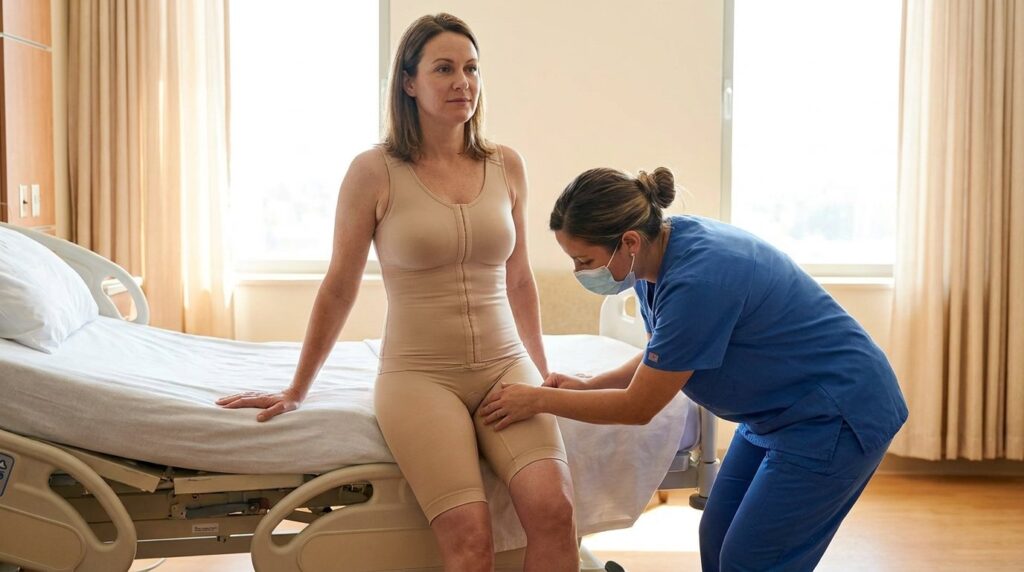
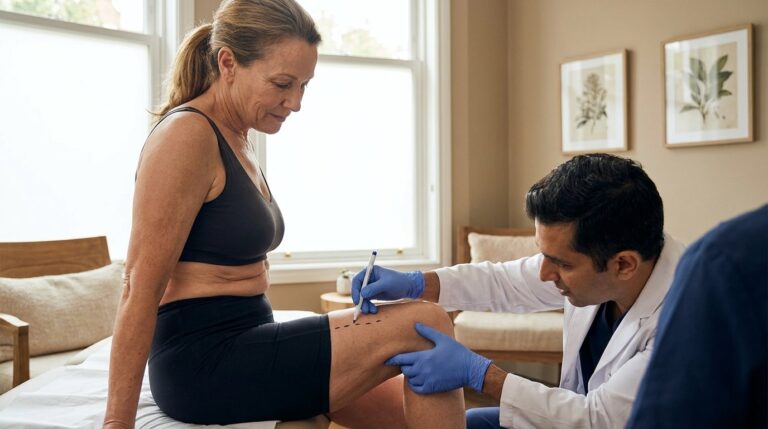
A useful way to think about recovery is this: the first few days are usually the hardest, swelling often feels most obvious in the first week, many patients feel noticeably more mobile by week two, and returning to desk-based work is often discussed somewhere in the first couple of weeks, depending on the extent of surgery and how comfortable sitting and walking feel. More active jobs usually need longer. Urgent review is needed if you develop increasing one-sided leg swelling, chest pain, shortness of breath, a fever, spreading redness, or wound drainage that is getting worse rather than better.
That broad outline matters, but thigh lift recovery is not one single pattern. A short scar upper-inner-thigh lift usually settles faster than a more extensive vertical thigh lift, because the incision and tissue dissection are different. If liposuction was done at the same time, or if the operation is part of post-weight-loss body contouring, swelling can last longer and movement can feel tighter in the early phase. This is consistent with how body contouring recovery is discussed in plastic surgery practice and literature, including reports in journals such as Aesthetic Plastic Surgery and Plastic and Reconstructive Surgery.
The American Society of Plastic Surgeons (ASPS) advises patients to expect bruising, swelling, soreness and activity limits after body contouring surgery, and to follow their own surgeon’s instructions rather than a generic timeline. That point is especially important with thigh lift surgery because friction, walking, sitting, and moisture around the groin crease can all affect comfort and wound healing.
If you are comparing recovery patterns with other body procedures, our article on body lift recovery week by week gives a helpful sense of how lower-body contouring can heal in stages rather than all at once.
⚠️ Get urgent medical help for clot symptoms The NHS advises urgent assessment for symptoms that may suggest deep vein thrombosis or a pulmonary embolism, such as painful one-sided leg swelling, chest pain, coughing blood, or sudden shortness of breath.
How much swelling is normal each week after a thigh lift?
In week one, swelling is expected. The thighs can feel heavy, firm, warm and tight, and the skin may look uneven simply because the tissues are holding fluid. This does not mean the final contour is poor. It means your body is reacting to surgery.
By week two, many people are relieved that the intense early fullness has started to ease, but this is still a swollen stage. It is common to have more swelling later in the day than in the morning, especially after walking more. Small differences between the two sides are also common early on.
In weeks three and four, patients often expect to look nearly “done,” and that is where frustration can creep in. You may be functioning better while still seeing puffiness along the inner thigh, around the scar, or lower down toward the knee. That is a normal mismatch. Recovery of comfort usually moves ahead of recovery of appearance.
From week five onward, swelling tends to improve more slowly and less dramatically. Instead of obvious day-to-day change, you see gradual settling over several weeks. After a larger vertical thigh lift, after liposuction, or after major weight loss, this slower phase can be more noticeable.
Why swelling can last longer than expected
Swelling is not just surface puffiness. A thigh lift creates internal healing spaces, and the lymphatic system — the body’s drainage network — needs time to adapt. Movement helps circulation, but too much activity too soon can make the thighs feel fuller again by evening.
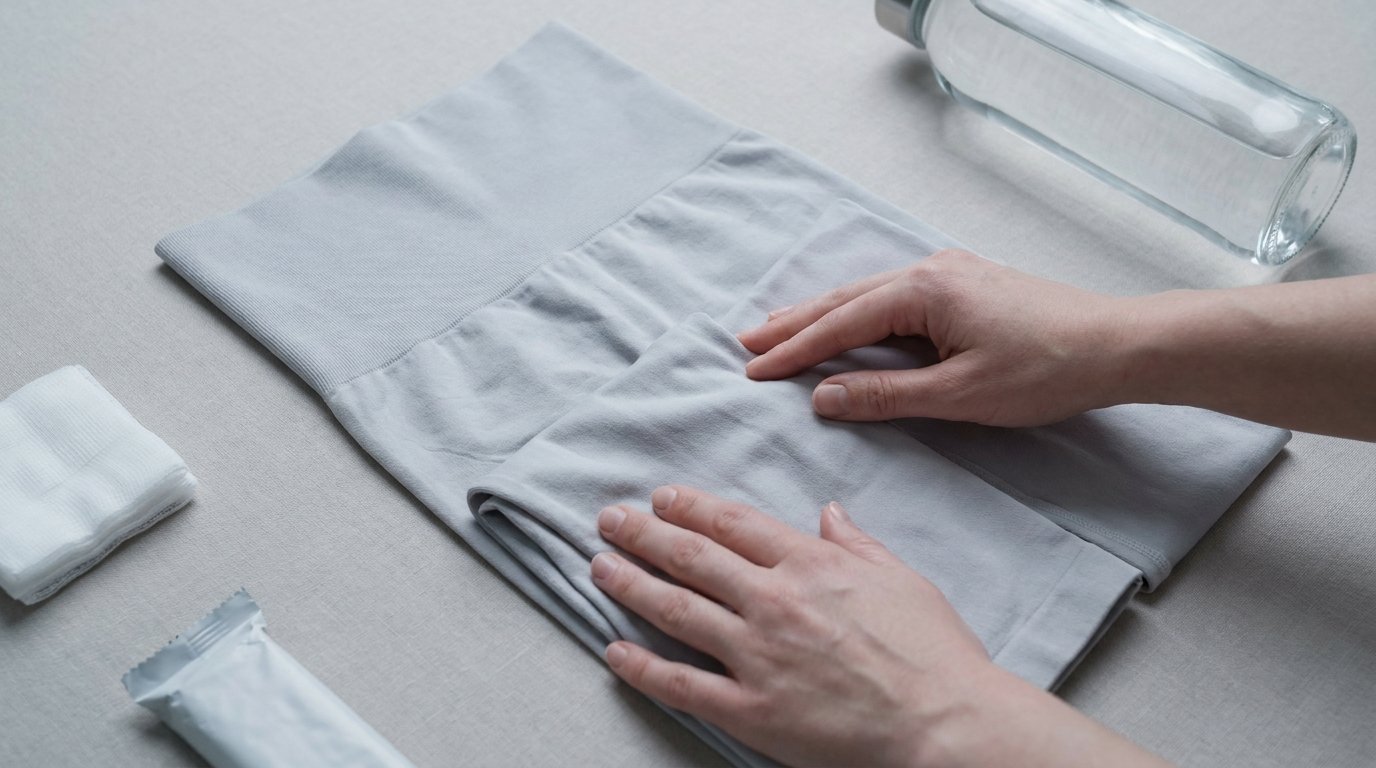
Compression garments, when prescribed, can help control swelling and support the tissues, but they do not make you heal overnight. Nor do they replace the basics: short walks, not smoking, enough protein and fluids, and protecting the incision from rubbing. The NHS notes that increasing redness, bad-smelling discharge, fever, or worsening pain can point to infection rather than routine postoperative swelling.
📋 Week-two disappointment is common Many patients feel better before they look fully settled. Seeing residual swelling at two to four weeks does not by itself mean something has gone wrong.
When can you walk normally, work, exercise and sleep comfortably again?
Walking starts almost immediately, but normal walking takes longer. In the first days, the main goal is short, frequent walks to support circulation and reduce clot risk, not distance or speed. Most people walk slightly bent or cautiously at first because the inner thighs feel tight.
By the second week, walking is often more natural, although long outings can still trigger swelling. Returning to work depends less on a calendar date and more on what your job asks of you. Desk-based work may be possible earlier than jobs that involve stairs, prolonged standing, lifting, or a lot of walking.
Exercise usually returns in stages. Gentle walking comes first. Lower-body workouts, cycling, running, and anything that stretches the thighs or puts friction on the incision usually wait until the surgeon is satisfied that the wound is healing well. Rushing this is one of the easiest ways to increase swelling or irritate the incision.
Sleeping is often easiest on your back with the legs slightly supported, especially in the first one to two weeks. Side sleeping can pull on the inner thigh area too early, particularly if your scars run higher into the groin crease. If you are also recovering from another body procedure, the pace can be slower; our article on abdominoplasty recovery week by week shows how combined lower-body healing often affects routine movements like standing, walking and getting comfortable in bed.
- ✓Short, regular walks are usually encouraged early unless your surgeon says otherwise
- ✓Desk work is often considered before physically demanding work
- ✓Exercise comes back in steps, not all at once
- ✓Comfort with sleep often improves after the first one to two weeks, but tightness can last longer
How long should you stay in Turkey, and when is flying home usually discussed?
For international patients, this is not just about the wound. It is also about mobility, clot risk, dressing checks, drains if used, and whether the incision is coping well with normal walking. Fitness to fly is individual and should be confirmed by the operating surgeon, not guessed from a forum or a friend’s timeline.
In practical terms, the decision usually depends on five things: the extent of the thigh lift, whether liposuction or another procedure was combined, your mobility, whether any drains are still in place, and whether there are early wound concerns in the groin or inner thigh. A thigh lift is rarely a solo operation for our patients: about four in five have another procedure at the same time, usually a second lifting operation after weight loss. A smaller upper-inner-thigh lift may be easier to manage sooner than a long vertical lift after major weight loss, but the final call is still surgeon-led.
Many patients travelling for surgery ask what should be included in a quote and how the stay is organised. The most useful details are usually the least glamorous ones: who checks you before flying, how many in-person reviews are planned, whether compression garments are included, who answers messages after hours, and how transfers are handled if walking is awkward. Our article on what an all-inclusive surgery package in Turkey may include can help you compare arrangements more carefully.
If you are discussing cost, keep the conversation focused on what is included rather than chasing the cheapest headline. A personalised quote is normally confirmed after consultation, once the surgeon has assessed scar pattern, whether liposuction is planned, and how much postoperative support you may need.
Which symptoms are normal, and which mean you should seek urgent review?
Normal recovery symptoms include swelling that gradually improves, bruising that changes colour as it fades, temporary numb areas, a pulling sensation when standing upright, and some fluid spotting on dressings in the early phase if your team has said this is expected. The key is direction of travel. Normal symptoms tend to become easier to manage, even if slowly.
Symptoms that deserve prompt contact with your surgical team include redness that spreads, heat that is increasing rather than settling, drainage that becomes thick, foul-smelling or suddenly heavier, pain that is sharply worsening after initial improvement, or an incision that starts to open. Thigh lifts have a known risk of wound-healing issues because the area moves a lot and sits close to moisture and friction.
Urgent medical assessment matters if you have calf pain, sudden one-sided swelling, chest pain, shortness of breath, or feel faint. The NHS highlights these as red-flag symptoms for deep vein thrombosis or pulmonary embolism. ASPS also advises patients to seek immediate help for breathing problems, chest pain, or signs of infection after cosmetic surgery.
When you are choosing a surgeon, look for recognised plastic surgery training and clear postoperative follow-up. For European standards, EBOPRAS is one of the relevant credentialing bodies patients may come across, and a reputable clinic should be comfortable explaining who operates, where surgery takes place, and how aftercare works if you are staying in Turkey only for a limited period.
Swelling that slowly settles, better mobility each week, and wounds that look cleaner and drier over time are generally reassuring.
Rapidly increasing redness, foul drainage, fever, chest symptoms, or worsening one-sided leg swelling need prompt review.
Frequently Asked Questions
References
- 📎ASPS Cosmetic Procedures
- 📎NHS Cosmetic procedures
- 📎PubMed: thighplasty complications body contouring recovery
- 📎EBOPRAS
You Might Also Like


Related articles

Our specialists
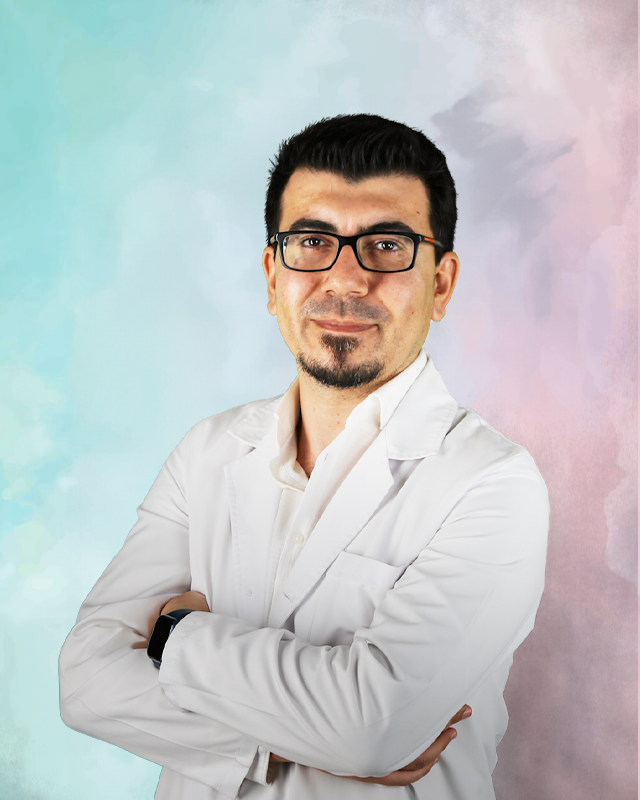 Clineca SpecialistErkan PinegözPlastic & Reconstructive Surgery
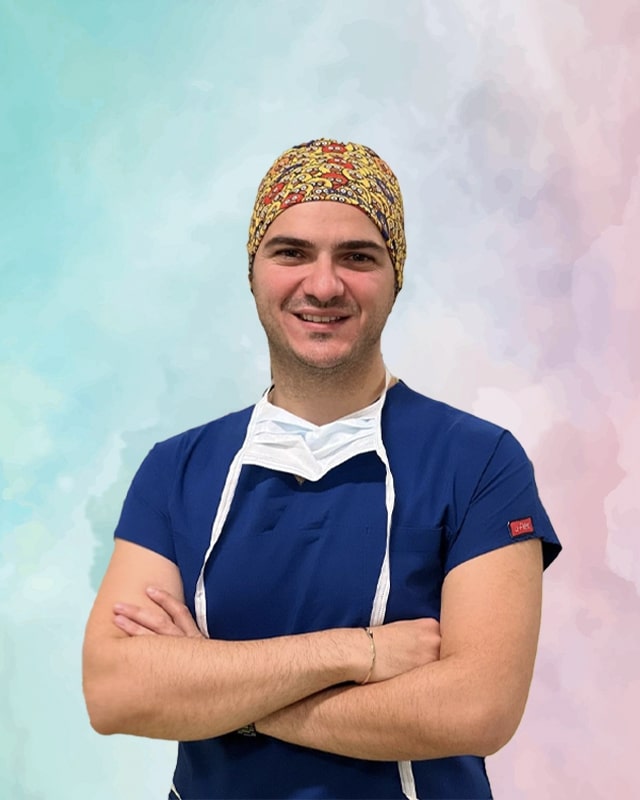 Clineca SpecialistHakan AktaşPlastic & Reconstructive Surgery
 Clineca SpecialistOrkun UzuneyüpoğluPlastic & Reconstructive Surgery
 Clineca SpecialistSalim İskenderPlastic & Reconstructive Surgery
 Clineca SpecialistEngin SelamioğluPlastic & Reconstructive Surgery
 Clineca SpecialistCem AydınPlastic & Reconstructive Surgery
 Clineca SpecialistAlperen ÖnalEar, Nose & Throat (ENT)