
In this article
- Why does breastfeeding change the timing of breast surgery?
- How long do surgeons usually want you to wait after breastfeeding stops?
- Does the right waiting time depend on the type of breast surgery?
- What signs suggest you are ready for a consultation or surgery?
- What about cost, travel and safety if you are planning surgery in Turkey?
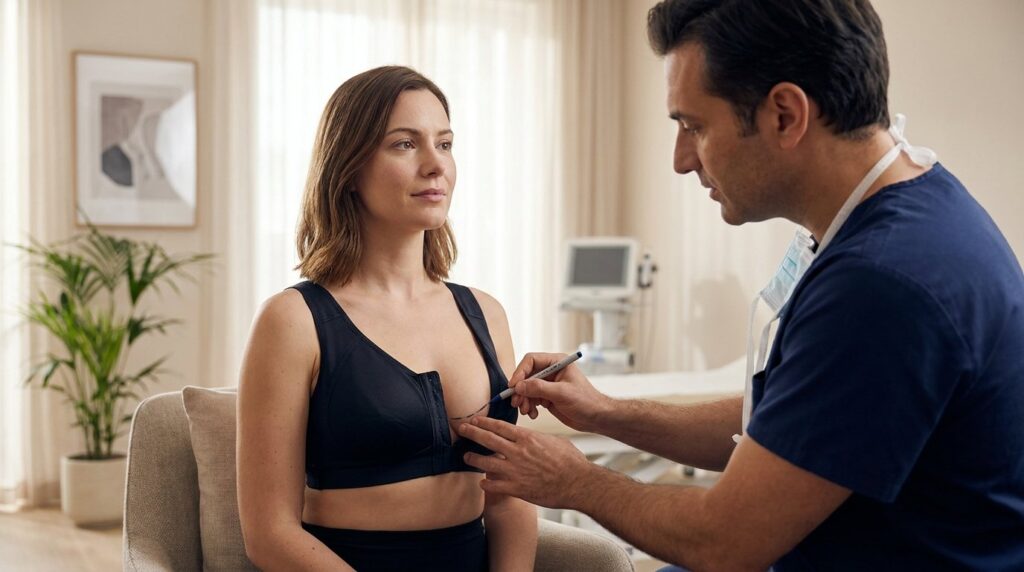
If you are wondering how long should I wait after breastfeeding before breast surgery, the timing matters more than many people expect. The breasts are still changing for a while after milk production stops, so choosing the right window can affect planning, healing and the result you see later.
Why does breastfeeding change the timing of breast surgery?
Breast tissue does not switch back to its pre-pregnancy state overnight. After breastfeeding stops, the milk glands gradually become less active, fullness often drops, and the skin and breast envelope start settling into a more stable shape. That is why surgeons usually prefer to assess the breasts after this transition, not during it.
This matters whether you are considering implants, a breast lift, reduction, or fat transfer. If surgery is planned too early, your breast size and shape may still be shifting. A breast that looks full one month can look noticeably deflated a few months later, which can change the measurements used for implant choice, lift design, scar placement and symmetry planning.
The NHS notes that cosmetic breast surgery is a significant decision and that careful assessment of suitability is important. In practice, one of the key parts of that assessment after pregnancy is whether the breasts have had enough time to settle. For many women, this question comes up early because they are trying to plan childcare, work leave and travel at the same time.
If you are still producing milk, even in small amounts, that is worth mentioning at the first consultation. Ongoing milk production can raise practical issues such as breast engorgement, leakage and a less reliable exam. It does not automatically rule out surgery forever, but it often means the timing needs another look.
⚠️ Do not plan surgery while actively breastfeeding If you are still nursing or expressing milk, tell the surgeon clearly. Breasts are usually harder to assess accurately until milk production has stopped and the tissue has settled.
How long do surgeons usually want you to wait after breastfeeding stops?
There is no single universal rule for every patient, but many qualified plastic surgeons prefer a waiting period of several months after breastfeeding ends. The main reason is not just safety during the operation. It is also about getting a stable breast shape before decisions are made about volume, lift pattern and skin tightening.
A common real-world approach is to wait until milk production has fully stopped and the breast shape has been stable for a period of time. Some surgeons are comfortable assessing you sooner, especially if breastfeeding ended quite a while ago and the breasts already look settled. Others prefer a longer interval if the breasts are still changing, if there has been major weight fluctuation, or if you are planning a lift rather than a straightforward implant procedure.
The American Society of Plastic Surgeons describes breast surgery planning as highly individual, and that is especially true after pregnancy and breastfeeding. Someone seeking a small implant for upper-pole fullness may be cleared on a different timeline from someone needing a more complex lift with asymmetry correction.
What the timeline often looks like in practice
The first few weeks after weaning are rarely the best moment to decide on surgery. Breasts can still feel full, tender or uneven. Over the next months, volume loss and skin relaxation become easier to judge. By the time the breasts have been stable for a while, the surgeon can make a more reliable plan.
Your breasts have stopped changing, milk has dried up, and your weight is fairly stable.
You have recently weaned, still feel breast fullness, or are noticing week-to-week shape changes.
Does the right waiting time depend on the type of breast surgery?
Yes, it often does. A breast lift usually depends heavily on where the nipple sits, how loose the skin is, and how much natural volume remains. If those details are still changing after breastfeeding, the surgical plan can change too. That is one reason surgeons are often more cautious about timing a lift.
With augmentation, the question is slightly different. Implants can restore fullness, but if the breast envelope is still shrinking or dropping after surgery, the final balance between implant and skin may not match the original plan. If you are comparing options, our article on breast lift vs implants explains what each procedure actually corrects.
Reduction surgery also needs careful timing. If the breasts are still hormonally active or changing in volume, tissue removal can be harder to judge. The same is true for fat transfer, where the surgeon needs a stable breast shape to assess how much improvement is realistic. If that is on your shortlist, our piece on breast lift with fat transfer may help you think through the trade-offs.
Future pregnancy also matters. Surgeons cannot predict exactly how a later pregnancy will change the breast, but another round of stretching, enlargement and deflation can affect a previous result. If you think you may become pregnant again fairly soon, say so at the consultation. That does not always mean you must postpone, but it may change which procedure makes sense and when. You are not alone in weighing this: pregnancy or breastfeeding is raised in about one in four of the conversations we have with women considering breast surgery. Treat it as part of the plan rather than an afterthought — the answer shapes both the technique and the timing.
- →Breast lift planning depends on settled nipple position and skin looseness.
- →Implant sizing works best when the breast envelope is no longer changing.
- →Reduction is easier to plan once breast volume has stabilised.
- →Fat transfer needs realistic volume expectations after the post-breastfeeding changes are clear.
What signs suggest you are ready for a consultation or surgery?
The most useful sign is stability. You are usually in a better position for consultation when you have fully stopped breastfeeding, there is no ongoing milk leakage, and your breast size is not changing from month to month. Weight stability helps too, because losing or gaining weight after pregnancy can change the breasts almost as much as breastfeeding itself.
It also helps if your routine feels manageable again. Recovery after breast surgery still means lifting limits, rest, follow-up visits and help with childcare. For many mothers, the practical side is just as important as the medical one. If your baby is still very dependent on being carried often, the recovery period may be harder than the operation itself.
A good consultation should cover more than cup size wishes. The surgeon should ask when breastfeeding stopped, whether milk is still present, whether more pregnancies are planned, what breast changes bother you most, and whether your weight has levelled out. If that conversation feels rushed, the planning may be rushed too.
If you are considering travelling for surgery, remember that procedures are performed by qualified surgeons at partner hospitals, while a medical-travel clinic may coordinate consultations, transfers and accommodation. That distinction matters. You want to know exactly who the operating surgeon is, where the surgery takes place, and who handles follow-up if you return home soon after.
For travel planning, it may also help to read how long to stay in Turkey for breast surgery and what is included in an all-inclusive surgery package before you compare offers.
📋 Ask direct questions about coordination Before booking, ask who performs the surgery, which hospital is used, what follow-up is included, and what happens if you need advice after flying home.
What about cost, travel and safety if you are planning surgery in Turkey?
Cost is important, but after breastfeeding the cheapest quote is rarely the most useful comparison. What changes the quote is not only the operation type. The timing of your consultation, whether you need a lift as well as implants, the hospital used, anaesthesia, overnight stay, compression garments, medicines, transfers and follow-up all affect what is included.
A personalised quote is usually confirmed after photos or a consultation because post-breastfeeding breasts vary a lot. Two women asking for “fuller breasts” may need very different operations once the tissue quality, skin stretch and nipple position are assessed.
Safety starts with the surgeon and the facility, not the package wording. Look for a surgeon with recognised plastic surgery training and check whether the hospital setting is appropriate for the procedure. EBOPRAS is one of the recognised European bodies patients may use as part of checking specialist credentials, while the NHS advises people considering cosmetic procedures to ask detailed questions about risks, recovery and aftercare before agreeing to surgery.
When you compare clinics, pay attention to communication as much as marketing. Clear answers, realistic timelines and no pressure to book quickly are good signs. Vague promises, poor explanations about who will operate, or pressure to commit before your breasts have settled are reasons to slow down.
This article is for informational purposes only and does not constitute medical advice. Always consult a qualified surgeon for personalised guidance.
The team explains timing honestly and is willing to delay surgery until your breasts are stable.
You are encouraged to book immediately without a clear discussion of breastfeeding, breast changes or future pregnancy plans.
Frequently Asked Questions
References
- 📎NHS cosmetic procedures guidance
- 📎American Society of Plastic Surgeons cosmetic procedures
- 📎EBOPRAS
- 📎Mayo Clinic procedures and tests
You Might Also Like



Related articles



Our specialists
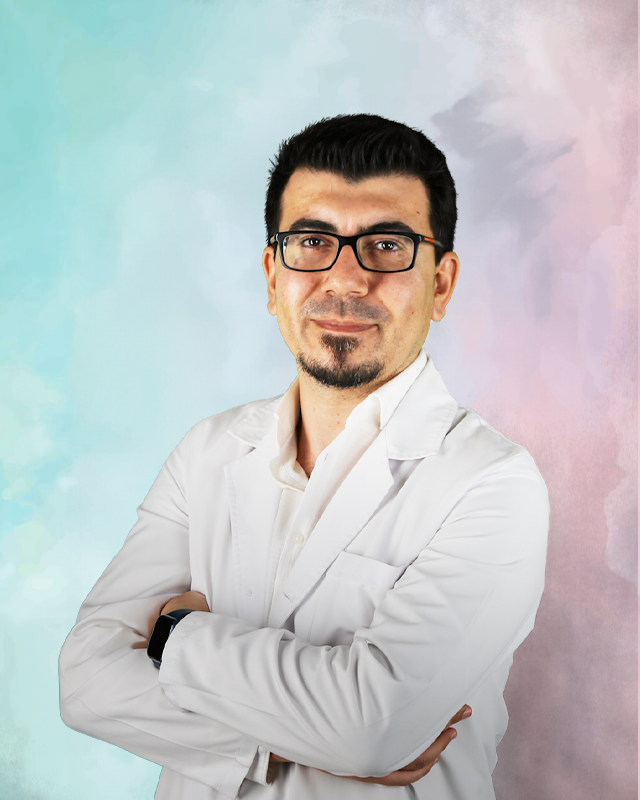 Clineca SpecialistErkan PinegözPlastic & Reconstructive Surgery
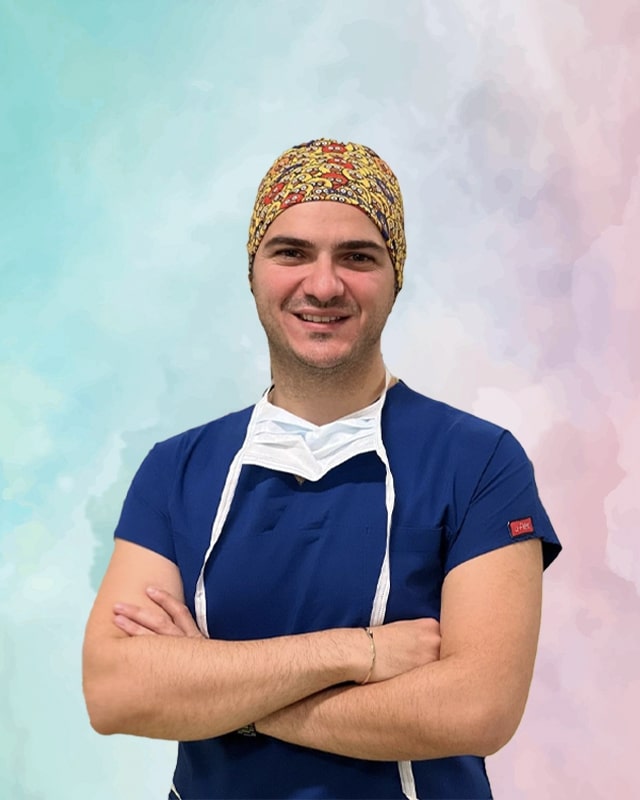 Clineca SpecialistHakan AktaşPlastic & Reconstructive Surgery
 Clineca SpecialistOrkun UzuneyüpoğluPlastic & Reconstructive Surgery
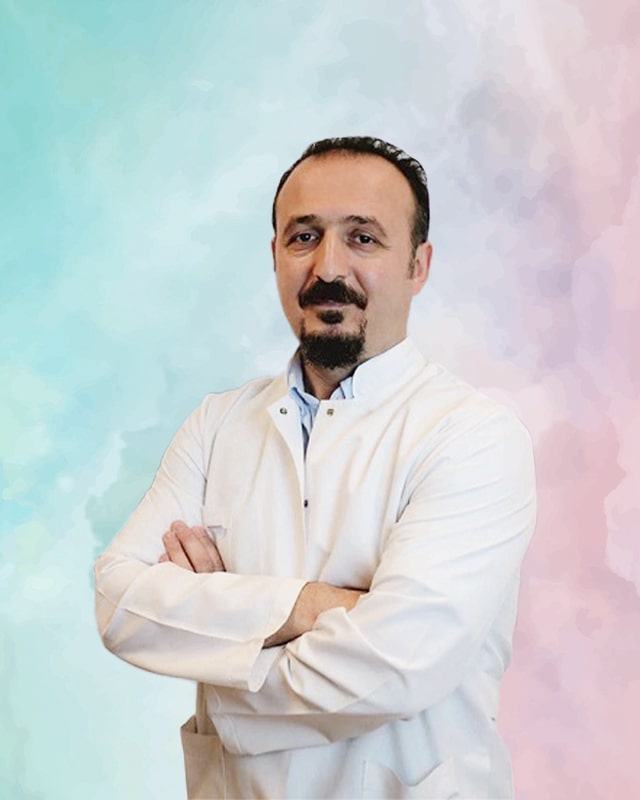 Clineca SpecialistSalim İskenderPlastic & Reconstructive Surgery
 Clineca SpecialistEngin SelamioğluPlastic & Reconstructive Surgery
 Clineca SpecialistCem AydınPlastic & Reconstructive Surgery
 Clineca SpecialistAlperen ÖnalEar, Nose & Throat (ENT)