
Have a question about Liposuction?
In this article
- How long does swelling usually last after liposuction?
- What does liposuction swelling look like week by week?
- Why does swelling last longer in some people?
- When is swelling not normal after liposuction?
- What helps swelling go down after liposuction?
- How long should you stay in Turkey if swelling is your main concern?
- How should you choose a surgeon or clinic if recovery support matters most?
If you are wondering how long does swelling last after liposuction week by week, the hard part is that swelling does not fade in a straight line. It changes by area, by technique, and by how your body handles fluid in the first few weeks, so a realistic timeline matters much more than a simple number.
How long does swelling usually last after liposuction?
Most people notice the biggest swelling in the first days after liposuction, then a gradual drop over the next several weeks. That said, the body often keeps a milder layer of swelling for much longer than patients expect. You may look puffy, firm or uneven before you look slim and settled.
A useful way to think about it is in phases. Early swelling is obvious and tends to improve first. Deeper swelling, especially in larger treatment areas such as the abdomen, flanks, back or thighs, can linger quietly and make the final result look delayed. The NHS notes that bruising and swelling are expected after cosmetic surgery, and surgeons generally advise that final contour takes time to declare itself rather than appearing in the first couple of weeks.
The exact timeline depends on how many areas were treated, how much fat was removed, whether the procedure was traditional or ultrasound-assisted, whether you also had another body procedure, and how closely you follow the aftercare plan. Compression garments, walking, hydration and avoiding early overexertion all affect how quickly swelling settles.
If your goal is to judge your result fairly, the first month is too soon for most people. Improvement is usually visible before then, but the body contour often keeps refining well beyond that point.
📋 A normal pattern Swelling often improves, then seems worse again later in the day or after more activity. That up-and-down pattern is common in the first weeks.
What does liposuction swelling look like week by week?
The first week is usually the most dramatic. The treated area often feels tight, heavy and sore, and it may look larger than expected rather than smaller. Fluid drainage can happen from tiny incision sites in the first day or two, which can look alarming but is commonly part of early healing when the surgeon has advised it. Bruising and swelling often peak around the first several days.
In week two, many patients feel better than they look. The bruising usually starts to fade, and the body is less inflamed overall, but puffiness is still obvious. Some areas can feel lumpy or firmer than others. That does not automatically mean a poor result; it is often part of tissue healing.
By weeks three and four, clothes may fit better and the outline may look more defined, but swelling is still present in a quieter way. This is also the point where some patients get frustrated because they expected the final shape sooner. Larger areas, repeat liposuction and combination surgery usually need more patience.
From the second month onward, the contour often starts to look more natural. Firm spots can soften gradually. Residual swelling may still be more noticeable by evening, after travel, or around the menstrual cycle. For some people, especially after higher-volume treatment, subtle swelling continues to settle over several months.
If you want a comparison with another body-surgery recovery pattern, this piece on body lift recovery week by week shows how swelling and shape changes can unfold slowly even when healing is progressing normally.
Why does swelling last longer in some people?
Swelling is not only about the amount of fat removed. It is also about how much space was treated under the skin and how much your lymphatic system has to clear afterward. The abdomen and flanks can stay puffy for longer than patients expect, while smaller areas may settle sooner.
Combination surgery is another major reason healing feels slower. If liposuction is done with a tummy tuck, BBL or breast surgery, it can be harder to separate normal swelling from the general stress of a bigger operation. That is one reason surgeons ask patients to judge progress over months, not days. If you are planning more than one procedure, it helps to read about combined surgery safety and recovery before you decide. Treat that as the usual case rather than the exception: around three in four of our liposuction patients have it alongside a BBL or a tummy tuck, which makes the week-by-week guide above the optimistic version. If that is your plan, pace your expectations by the larger operation, not by the liposuction.
Technique matters too. VASER or other energy-assisted methods may create a different swelling pattern from standard liposuction, especially in the early phase, because the tissues have still been treated even when the tiny wounds look simple from outside. The aftercare plan matters just as much. A well-fitted compression garment, gentle walking and avoiding long inactive periods usually help more than aggressive massage or returning to exercise too early.
Your personal healing pattern also counts. Some people bruise and swell easily. Some hold on to fluid after flights, salty food, heat or long days on their feet. That does not mean something has gone wrong, but it does mean comparing yourself with someone else’s day-by-day photos is rarely useful.
Swelling that slowly improves overall, even if it fluctuates during the day, is usually part of normal recovery.
Swelling that suddenly increases on one side, comes with severe pain, marked redness, fever or shortness of breath needs urgent medical advice.
When is swelling not normal after liposuction?
Some unevenness, firmness and puffiness are expected. The concern is not simply that you are swollen, but how that swelling behaves and what comes with it. A treated area that is tender and firm can be normal early on. A rapidly expanding area, especially if one side becomes much larger than the other, needs assessment.
General surgical guidance from bodies such as the NHS and Mayo Clinic supports urgent review for symptoms like fever, increasing redness, foul-smelling drainage, calf pain, chest pain or shortness of breath. Those are not ordinary recovery annoyances. They can point to infection, a fluid collection, or a blood-clot-related problem and should not wait for a routine check-in.
There is also a grey zone that is less urgent but still worth flagging to your surgeon’s team: hard lumps that are getting worse rather than softer, drainage that restarts unexpectedly, or swelling that seems unchanged for a long period with no steady improvement. In medical tourism, that matters even more because patients are often flying home while healing is still active.
If you are arranging surgery in Turkey through a facilitator, make sure you know exactly who your licensed surgeon is, which hospital or clinic will be responsible for your operation, and who handles post-op reviews before and after you travel home. A facilitator can organise the process, but the procedure itself should be performed by appropriately licensed independent surgeons and healthcare facilities.
⚠️ Get urgent medical help now Shortness of breath, chest pain, fainting, fever with worsening redness, or a rapidly enlarging swollen area should be treated as urgent.
What helps swelling go down after liposuction?
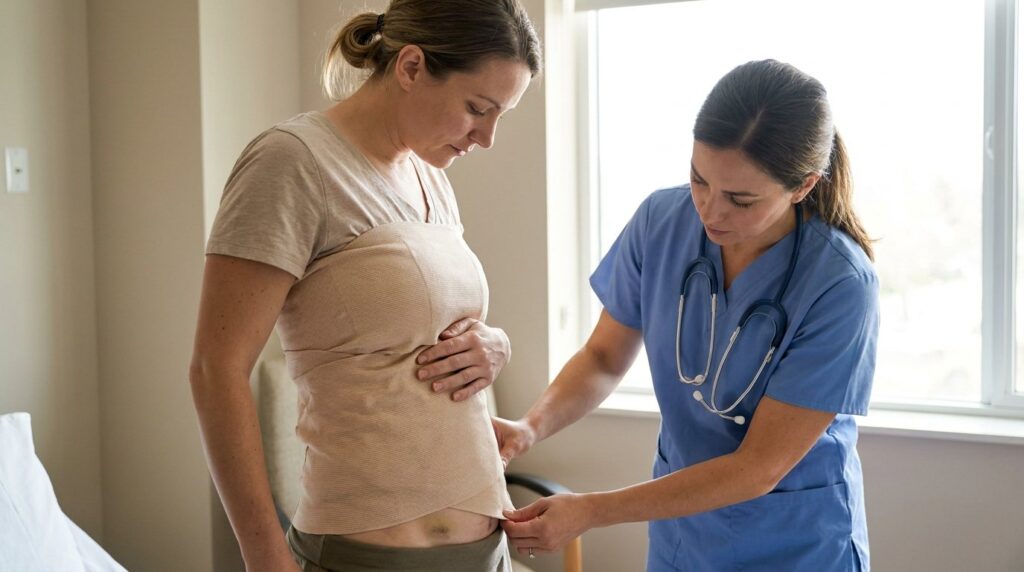
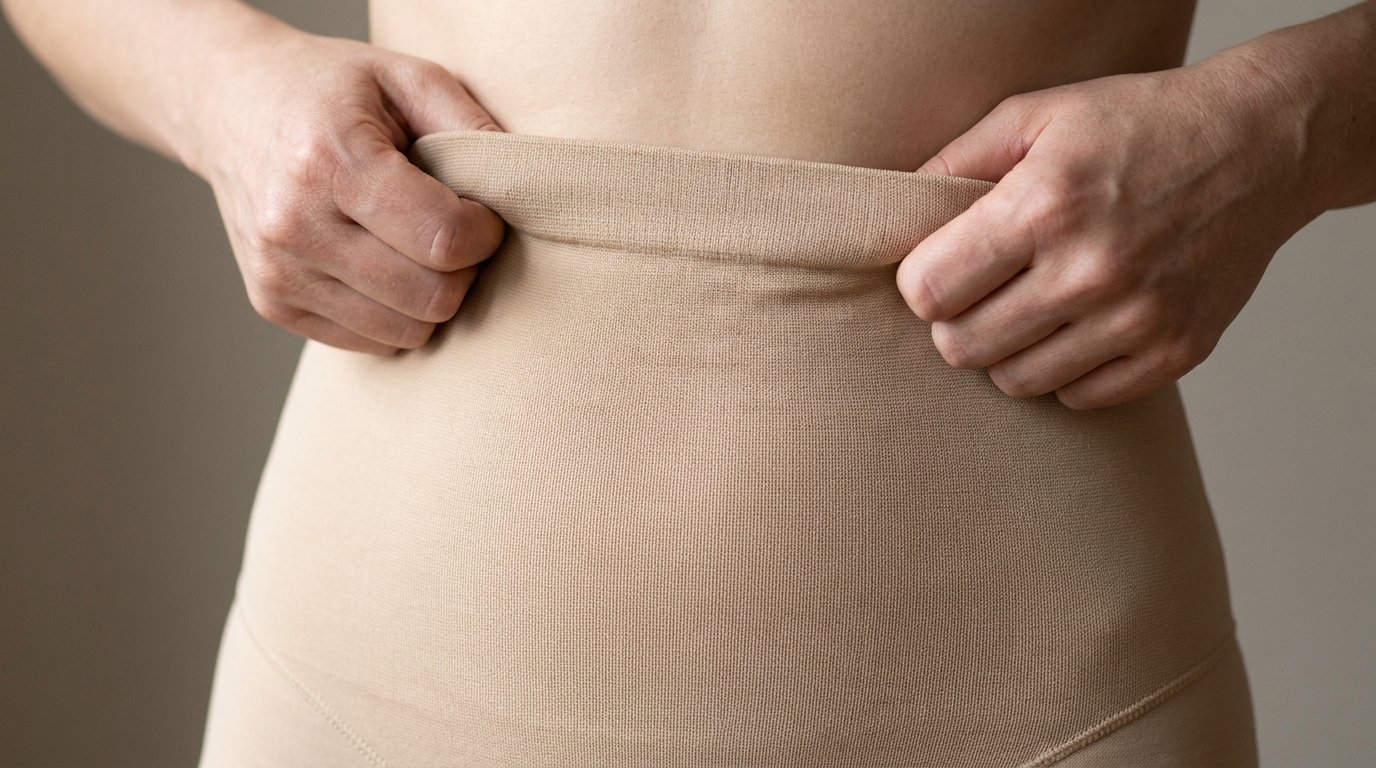
The basics usually do the most work. Wear the compression garment exactly as instructed, keep moving with short walks, drink enough water and avoid pushing back into exercise before your surgeon clears you. Many patients try to speed recovery by doing more, when in fact overactivity often makes evening swelling worse.
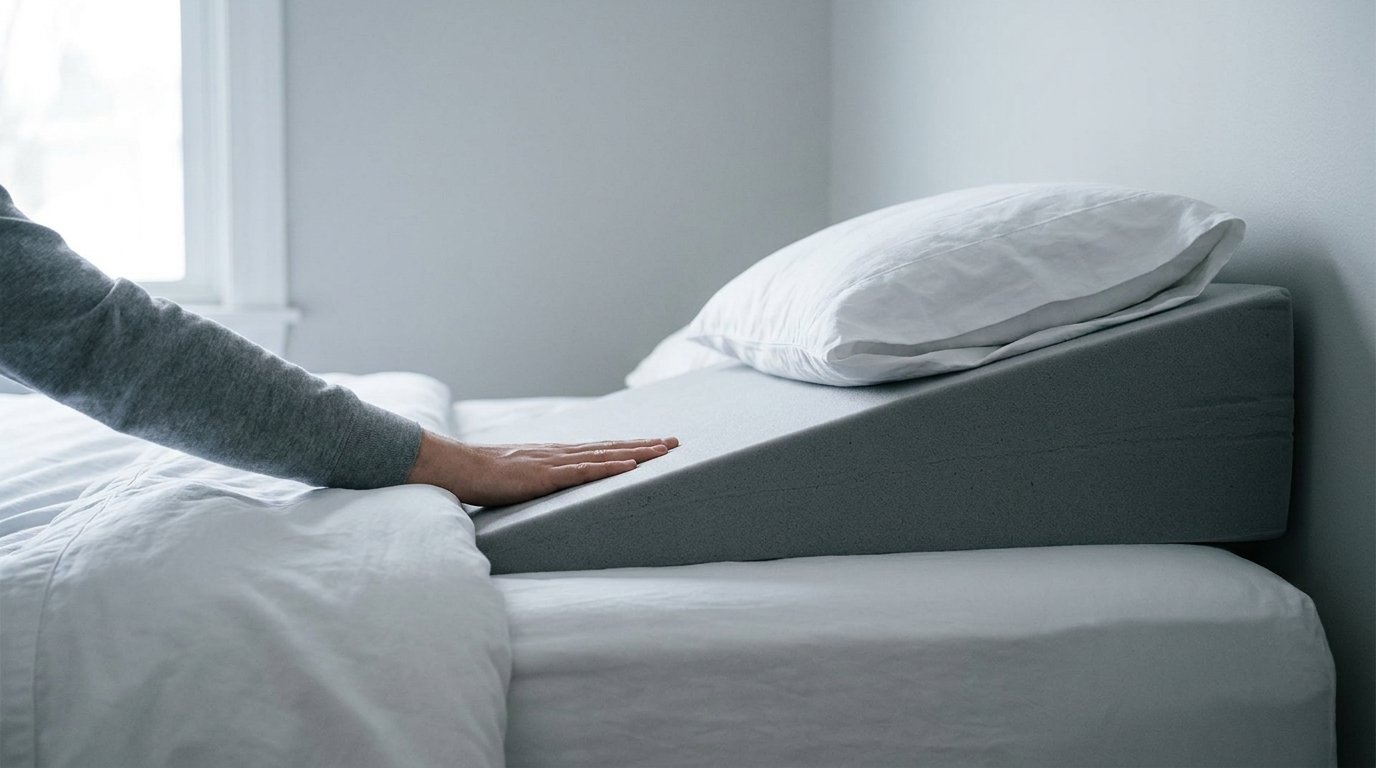
Sleeping slightly elevated can help in the early days, especially for abdominal or flank treatment. Long periods of standing still or sitting still can both increase puffiness. Gentle movement tends to work better than total rest.
It is worth asking in advance whether your aftercare includes manual lymphatic drainage massage, when it would start, and whether the surgeon actually recommends it for your case. Some teams use it often, while others are more selective. The key is not to add treatments on your own without checking first, because too much pressure too soon can irritate healing tissues.
Diet will not magically remove swelling, but it can make the first weeks easier. Staying hydrated and not overdoing salty processed food may reduce that heavy, bloated feeling. Alcohol can worsen swelling and dehydration, especially just after surgery.
For a broader look at practical recovery planning, including stay length and general aftercare, this article on liposuction in Turkey: cost, safety and recovery is useful background reading.
- ✓Wear your compression garment as instructed
- ✓Take short walks every day unless your surgeon says otherwise
- ✓Avoid heavy exercise until you are cleared
- ✓Stay hydrated and keep meals simple in the first days
- ✓Ask before booking massage or extra treatments
- ✓Expect swelling to be worse later in the day at first
How long should you stay in Turkey if swelling is your main concern?
You do not need to stay until all swelling is gone, because that would be much longer than most patients can reasonably travel for. What matters is staying long enough for the early safety checks, garment review, mobility assessment and the point at which your surgeon is satisfied that you are fit to fly.
For liposuction alone, the early swelling phase is still very active when most patients travel home. That is normal, but it means you should not expect to look presentable or final before your return flight. If you are combining liposuction with another body procedure, the stay is often longer because swelling, drains, wound care and mobility can all be more demanding.
Ask for practical details before you book: who examines you before you fly, what the quote includes, whether hotel transfers are arranged, and how aftercare works once you are back home. If you are comparing packages, the important differences are not only the headline price but the organisation around your recovery. This article on what is included in an all-inclusive surgery package can help you read a quote more carefully.
How should you choose a surgeon or clinic if recovery support matters most?
When patients worry about swelling, they are often really worried about being left alone with normal but unsettling symptoms. Good recovery support starts before surgery. You should know who your surgeon is, what credentials they hold, where the procedure will be done, and how follow-up is organised.
Look for clear, specific answers rather than sales language. If a team cannot explain who to contact for worsening swelling, who reviews photos after you go home, or what would trigger an in-person assessment, that is a problem. In Europe, board certification and hospital standards matter. Bodies such as EBOPRAS are relevant when you are checking plastic-surgery training and standards, while BAAPS and ASPS provide general patient information on cosmetic procedures and recovery expectations.
Cost also needs a calm reading. A liposuction quote usually varies with the number of areas, technique, surgeon experience, hospital setting, anaesthesia, compression garments, transport, hotel arrangement and aftercare support. The cheapest quote can be missing exactly the recovery help that anxious patients end up needing most.
A good consultation should leave you with a timeline, a fit-to-fly plan and a clear list of warning signs. It should not make swelling sound trivial or promise a final result on an unrealistic schedule.
You get named surgeon details, hospital information, realistic timelines, and a clear aftercare contact plan.
You are given vague promises, no clear recovery pathway, or pressure to decide before your medical questions are answered.
A video consultation can be useful for understanding likely swelling, travel timing and whether liposuction alone is the right procedure for your goal.
Frequently Asked Questions
References
Related Articles

You Might Also Like

Related articles
Our specialists
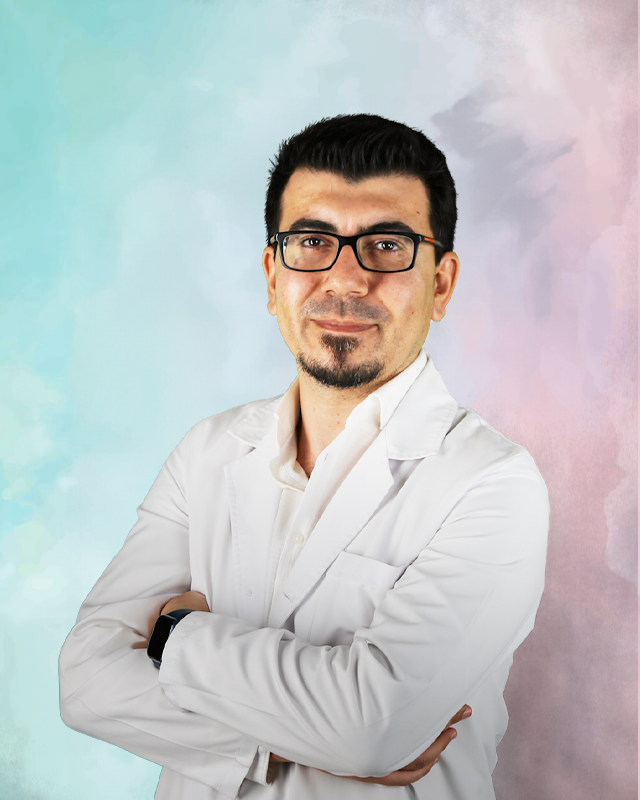 Clineca SpecialistErkan PinegözPlastic & Reconstructive Surgery
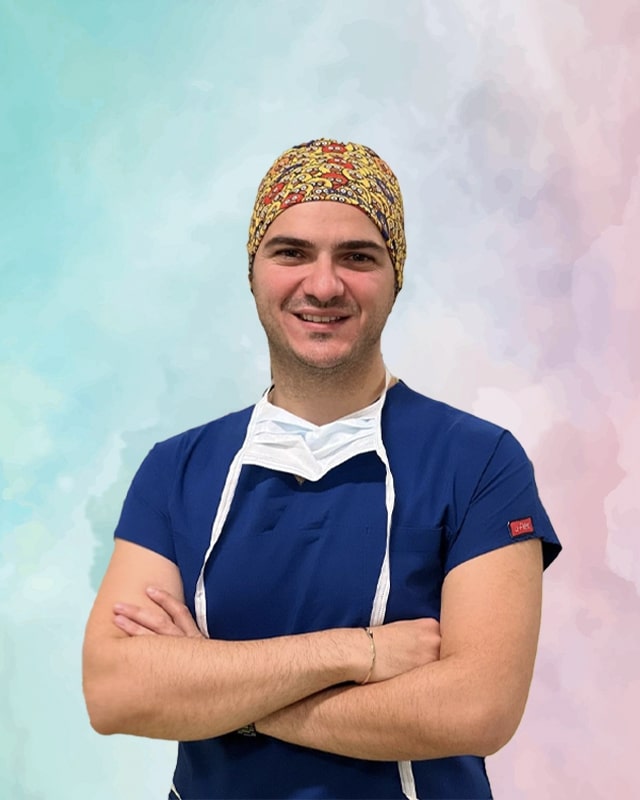 Clineca SpecialistHakan AktaşPlastic & Reconstructive Surgery
 Clineca SpecialistOrkun UzuneyüpoğluPlastic & Reconstructive Surgery
 Clineca SpecialistSalim İskenderPlastic & Reconstructive Surgery
 Clineca SpecialistEngin SelamioğluPlastic & Reconstructive Surgery
 Clineca SpecialistCem AydınPlastic & Reconstructive Surgery
 Clineca SpecialistAlperen ÖnalEar, Nose & Throat (ENT)